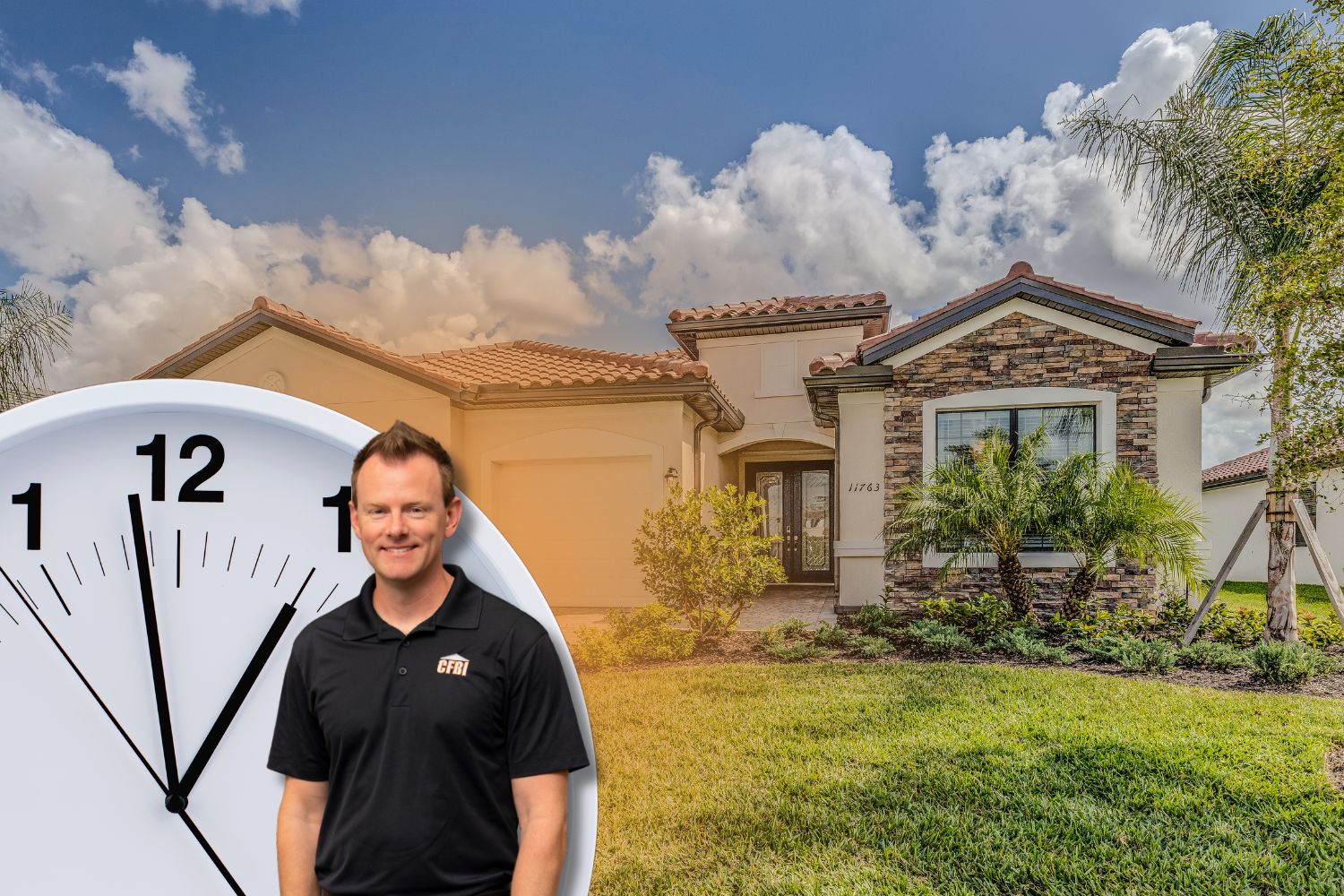
Big changes are coming to Florida wind mitigation inspections. These changes could directly affect your insurance premiums. Whether you’re a first-time homeowner or a long-time resident, this update matters to you. Maybe you recently purchased a property. Maybe it’s been a few years since your last inspection. Either way, now is the time to pay attention. Understanding what’s changing - and acting on it - could put real money back in your pocket.
What Is a Wind Mitigation Inspection — and Why Does It Matter?
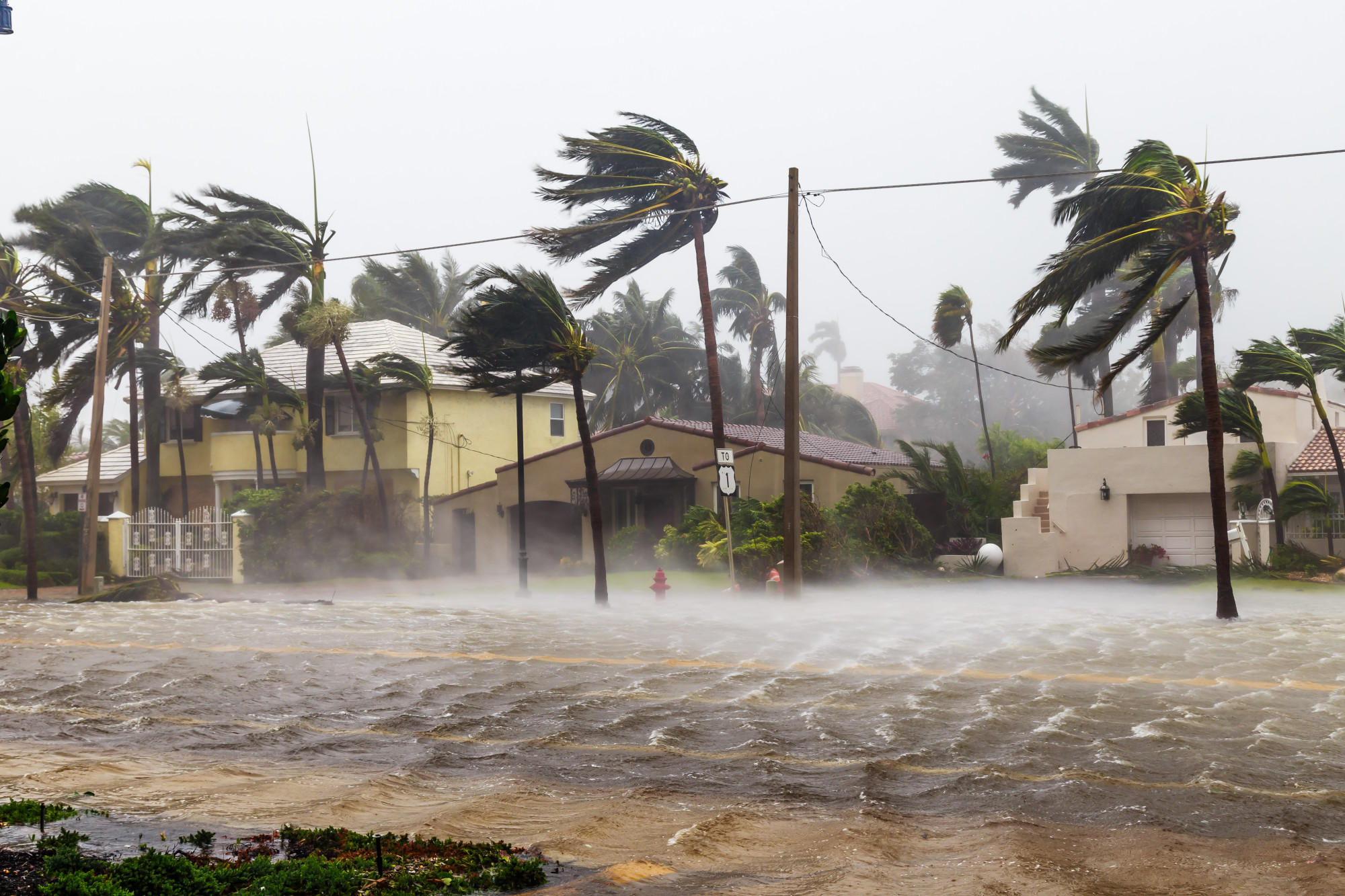
A wind mitigation inspection is a specialized assessment of your home’s construction features to determine how well it can withstand hurricane-force winds. In a state like Florida — where hurricane season runs from June 1 through November 30 and windstorm insurance is one of the biggest drivers of homeowner insurance costs — this inspection is one of the most financially powerful tools available to property owners.
Under Florida Statute §627.0629, insurance companies are legally required to offer premium discounts and deductible reductions to homeowners whose properties include verified wind-resistant construction features. Those discounts can reach up to 88% off the windstorm portion of your policy — savings that, for many Central Florida homeowners, translate to hundreds or even thousands of dollars per year.
The official document used to capture and report these features is the Uniform Mitigation Verification Inspection Form, OIR-B1-1802, administered by the Florida Office of Insurance Regulation (OIR).
Major Update: The New OIR-B1-1802 Form Takes Effect April 1, 2026
Here’s the most important news for Florida homeowners right now: the OIR has proposed a significant update to the 1802 form, with the new version set to take effect April 1, 2026.
The Florida Office of Insurance Regulation has proposed an amendment to Rule 69O-170.0115 to adopt a new version of form OIR-B1-1802. The new form updates the fixtures and construction techniques that qualify for discounts, taking into account a 2024 Residential Wind-Loss Mitigation Study — which updates research conducted years ago when the mitigation discount program was still in its infancy.
What does this mean for you? The updated discount tables and qualifying criteria reflect more current building science and real-world hurricane performance data. Some features may qualify for higher discounts; others may be evaluated differently. The full impact on individual premiums is still being determined, but one thing is clear: homeowners who get ahead of this change will be best positioned to maximize their savings.
Florida Statute §627.0629 requires the OIR to review and update the fixtures or construction techniques demonstrated to reduce windstorm damage — along with the related insurance discounts and deductible reductions — by January 1, 2025, and every five years after that. The April 2026 form rollout is a direct result of that mandated review.
The 7 Key Categories Evaluated on Form OIR-B1-1802
A licensed inspector completing the 1802 form evaluates your home across seven critical areas. Understanding these categories helps you know what to expect — and what upgrades might boost your discount tier:
1. Building Code Compliance — Was your home built to Florida Building Code 2001 or later? Homes constructed in 2002 or after generally receive automatic baseline credits. Homes in Miami-Dade and Broward counties are evaluated against the South Florida Building Code (SFBC-94) for High Velocity Hurricane Zone (HVHZ) compliance.
2. Roof Covering — The type and installation method of your roofing material. Products that meet Florida Product Approval standards score higher.
3. Roof Deck Attachment — How the plywood or OSB decking is fastened to the rafters or trusses. Homes with 8d ring-shank nails on 6-inch spacing perform significantly better in windstorm events.
4. Roof-to-Wall Connection — The weakest connection point between your roof and your walls is assessed. Single wraps, double wraps, clips, and structural anchors each correspond to different credit tiers.
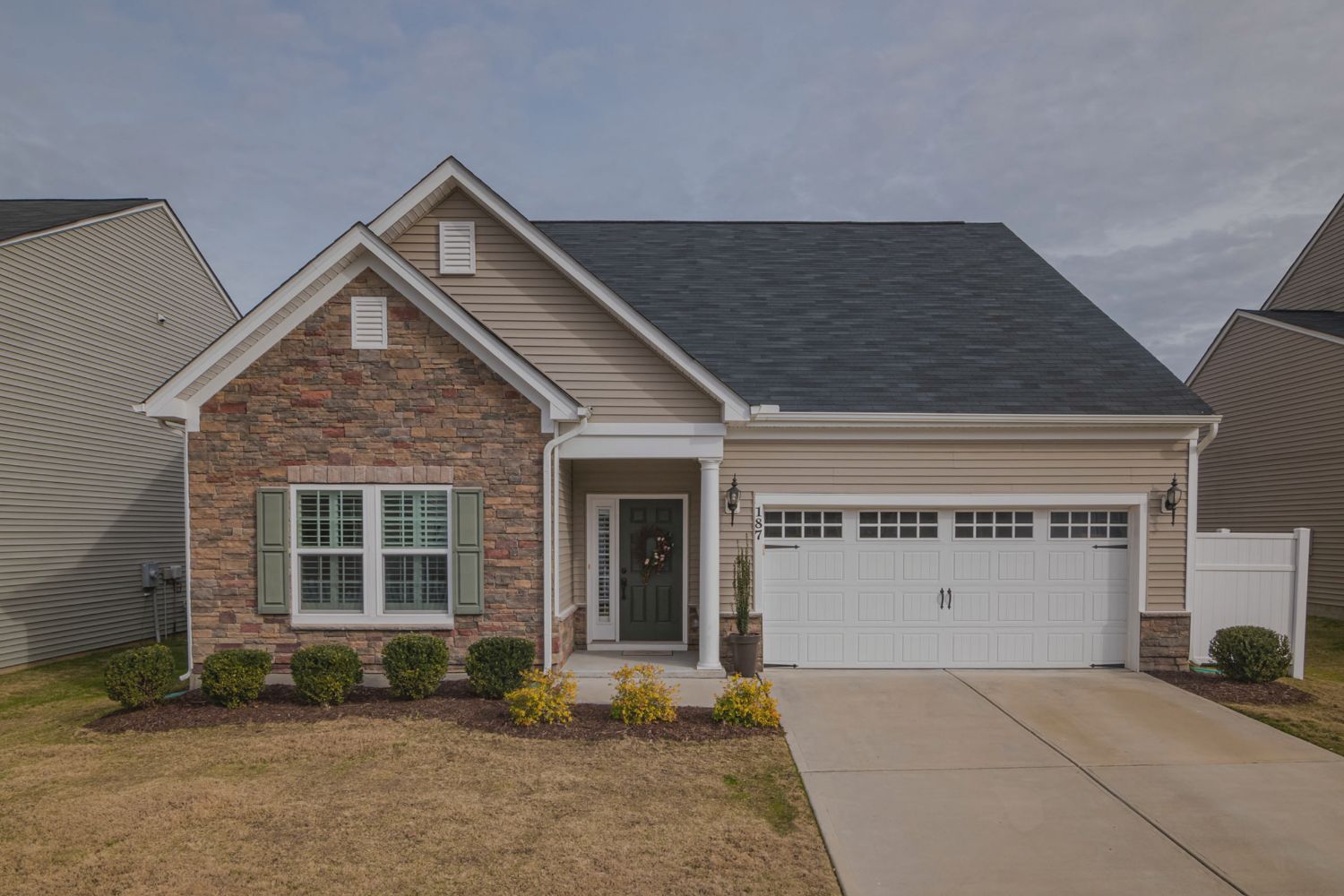
5. Roof Shape — Hip roofs (sloped on all four sides) are the most wind-resistant design and typically earn the largest discounts. Gable roofs receive lower credits due to their increased vulnerability to wind uplift.
6. Secondary Water Resistance (SWR) — A self-adhering membrane applied beneath the roof covering that prevents water intrusion if shingles are blown off. This feature is increasingly important to insurers after recent hurricane seasons.
7. Opening Protection — Impact-rated windows, doors, skylights, and garage doors — or properly documented storm shutters — protect against windborne debris. This is the all-or-nothing category: if even one opening lacks protection, the entire structure may receive no discount.
How Long Is a Wind Mitigation Report Valid?
The Uniform Mitigation Verification Inspection Form (OIR-B1-1802) is valid for up to five years, provided no material changes are made to the structure or inaccuracies are found on the form.
This five-year clock matters. If your report is approaching expiration — or if you’ve had roof work, new windows, or other structural upgrades — it’s time to schedule a fresh inspection. With the new form taking effect April 1, 2026, renewing your inspection now (under the current form) or after the transition (under the updated form) will be an important strategic decision to discuss with your inspector and insurance agent.
Who Qualifies to Perform a Wind Mitigation Inspection in Florida?
Not just anyone can complete a legally valid 1802 form. Under Florida Statute §627.711, qualified inspectors include:
- Licensed home inspectors (under §468.8314) who have completed at least 3 hours of OIR-approved hurricane mitigation training and passed a proficiency exam
- Licensed general, building, or residential contractors
- Licensed professional engineers or architects
- Certified building code inspectors
Citizens Property Insurance reserves the right to verify any wind mitigation form completed by a qualified inspector by ordering an independent inspection, and will not accept forms where the inspector’s Florida license is not active or cannot be verified. This is why choosing a reputable, licensed inspection company matters — an invalid or improperly completed form could cost you your discounts entirely.
Free Inspections and Matching Grants: My Safe Florida Home Program
If you haven’t upgraded your home’s wind-resistant features because of cost concerns, there’s good news. In 2025, Florida expanded the My Safe Florida Home program with $280 million in new funding to help families afford wind mitigation upgrades, offering free inspections and matching grants for improvements like impact windows, doors, and roof upgrades.
This program provides a two-step pathway: first, receive a free wind mitigation inspection, then apply for a matching grant to fund qualifying home hardening improvements. Visit MySafeFLHome.com to check eligibility and availability.
Don’t Wait — Schedule Your Inspection Before the April 2026 Form Change
With the updated OIR-B1-1802 form set to take effect April 1, 2026, Central Florida homeowners have a narrow window to act strategically. Whether your goal is to lock in current discount tiers, document recent upgrades, or simply get ahead of the changes before hurricane season, a wind mitigation inspection is one of the highest-ROI steps you can take as a homeowner.
At Central Florida Building Inspectors (CFBI), our licensed inspectors are certified in wind mitigation assessments and stay current on all OIR form requirements and Florida Building Code updates. We serve homeowners throughout the greater Central Florida area with thorough, photo-documented 1802 inspections that insurers trust.
Ready to find out how much you could save? Schedule your wind mitigation inspection with CFBI today and take control of your homeowner’s insurance costs before the new form changes everything.
For official OIR resources and the current version of Form OIR-B1-1802, visit floir.gov/consumers/wind-mitigation-resources. For information on the My Safe Florida Home grant program, visit MySafeFLHome.com.ind-mitigation-resources. For information on the My Safe Florida Home grant program, visit MySafeFLHome.com.