Radon is an invisible, odorless gas that can enter a home without any obvious warning. Many Central Florida homeowners do not realize the signs are there until a radon test reveals its presence.
While radon is more common in certain parts of the country, pockets of elevated levels exist throughout Florida. This means every home has the potential for radon exposure, no matter its age, style, or location.
Because radon cannot be seen, smelled, or tasted, the signs are not always clear. Still, there are patterns and conditions that increase risk. This guide explains the most common signs that your home may have elevated radon levels, what homeowners should watch for, and when it is time to schedule radon testing.
Why Radon Testing Matters in Central Florida
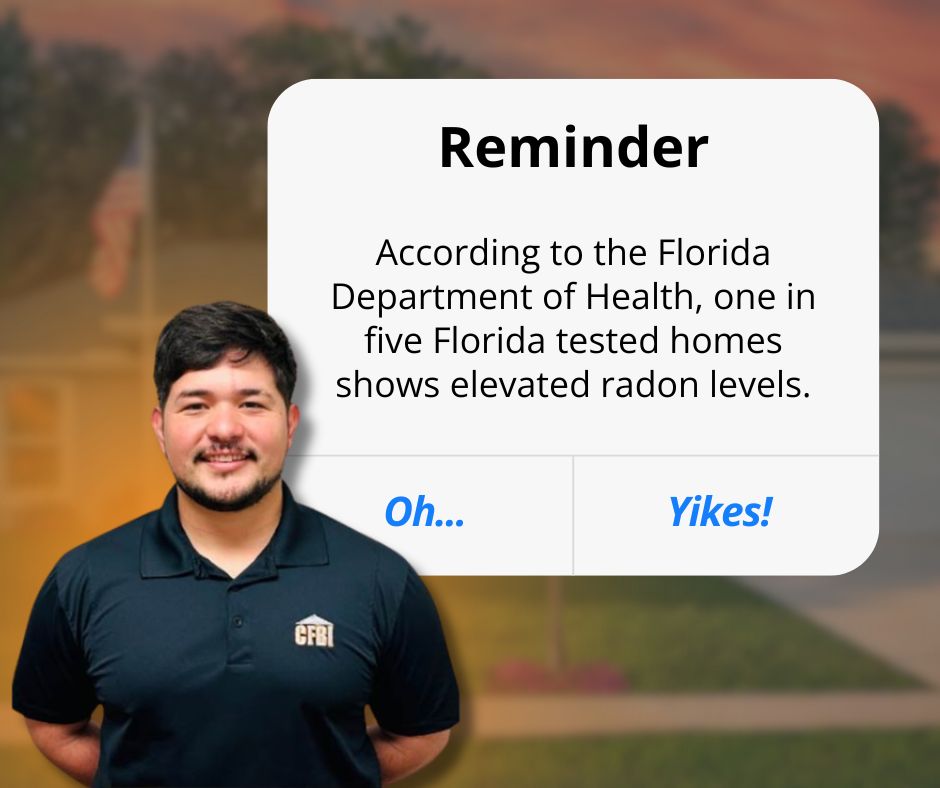
Many homeowners assume Florida is not a radon-prone state, but this is not true. According to the Florida Department of Health, one in five Florida homes tested shows elevated radon levels. This includes homes with slab foundations, crawlspaces, and even newer construction.
Central Florida’s soil and geology allow radon to collect under homes, especially in areas with:
- Sandy soil
- Deep foundations
- Poor ventilation under the slab
- Cracks or gaps around plumbing or utilities
- High humidity keeps air movement low
Because radon has no smell or taste, the only way to confirm levels is through testing. Recognizing the conditions that increase risk helps homeowners decide when to act.
The Most Common Signs of Radon Exposure in a Home
Radon itself does not create visible stains or odors. Instead, signs appear through a combination of building conditions, indoor air quality complaints, and the home’s foundation or soil contact.
Here are the most important indicators to watch for.
1. Air That Feels Stale or Heavy in Lower Levels
Radon collects in the lowest part of a home because it enters through the soil. In Central Florida, many homes built on slabs still have areas where air becomes stagnant.
A stale or heavy feeling in:
- Bedrooms
- Laundry rooms
- Hallways
- Storage spaces
- Finished or unfinished ground-level rooms
can indicate poor air circulation, which increases the chance that radon is accumulating.
Radon rises naturally, but homes with closed-up windows, long cooling seasons, and limited airflow can trap more of it inside.
2. Cracks in the Foundation or Slab
Cracks in concrete slabs or block walls create easy pathways for soil gases. These cracks do not cause radon, but they make it easier for radon to enter.
Common entry points include:
- Hairline cracks across the slab
- Cracks in block walls
- Gaps around pipes
- Openings around sump wells or utility penetrations
Florida’s soil shifts during rainy and dry seasons. As the ground expands and contracts, new cracks can form, giving radon more pathways inside.
3. High Humidity Levels That Make the Home Feel Damp
Radon enters from the soil, and Florida’s climate keeps moisture levels high. When a home feels damp for long periods, it often means the air is not moving well. Poor circulation allows radon to collect in the lowest parts of the home.
High humidity does not prove radon is present, but it often appears in homes with elevated levels because of:
- Long cooling seasons
- Reduced ventilation
- Slab contact with moist soil
- Indoor air that stays trapped for long periods
The EPA notes that radon levels can rise in homes that are sealed tightly or cooled for long periods without fresh airflow.
4. Lingering Odors or Stuffy Rooms
While radon itself has no smell, rooms with poor airflow often develop odors that linger. If certain rooms always feel stuffy or take a long time to air out, it may indicate that the air is not moving well enough to prevent radon from building up.
You might notice:
- Musty or stale smells
- Air that feels “closed off” even after cleaning
- Rooms that become uncomfortable more quickly
Stuffy rooms do not confirm radon, but they signal airflow problems that increase risk.
5. Soil Contact Around the Home That Looks Damp All Year
Damp or wet soil around the exterior of a home can increase the chance that radon collects below the slab. Central Florida’s rainy seasons, sprinkler systems, and high groundwater all contribute to saturated soil.
Signs to watch for include:
- Standing water near the foundation
- Soil that stays damp long after rain
- Landscaping that slopes toward the home
- High water tables
Wet soil does not cause radon, but it allows gases to stay trapped close to the foundation, making it easier for radon to seep inside.
6. Long Periods With Windows Closed
Florida’s heat, storms, and humidity mean many homeowners keep windows closed almost all year. When indoor air does not circulate, radon has fewer ways to escape.
This is especially important in homes that:
- Rely on air conditioning most months
- Have tight seals around windows and doors
- Are newer and built to be more energy efficient
Energy-efficient homes are great for comfort and cooling costs, but they often allow radon levels to rise more easily without regular testing.
At a Glance: Conditions That Increase Radon Risk
Condition | Why It Matters | What Homeowners Notice |
Foundation cracks | Creates radon entry points | Small gaps, hairline cracks |
High humidity | Reduces airflow | Rooms feel damp or sticky |
Poor ventilation | Traps radon indoors | Stuffy or still air |
Long cooling seasons | Home stays sealed | Hard to introduce fresh air |
Damp soil around the home | Holds gases near the slab | Moist areas or pooling water |
Why Is Radon a Health Concern?
Radon is the second leading cause of lung cancer in the United States, according to the EPA.
Long-term exposure increases risk because radon particles can be inhaled into the lungs.
Children may be more sensitive to radon because their breathing rates are higher relative to their body size.
The health effects of radon come from long-term exposure, not short-term contact. This is why regular testing is important, especially during the times of year when windows stay closed, and air is less likely to move freely.
How Do Radon Levels Change Throughout the Year?
Radon levels can rise or fall depending on several seasonal factors. Many Central Florida homes experience changes due to:
- Rainy seasons and storm moisture
- High water tables
- Temperature swings
- HVAC usage patterns
- Soil pressure changes
The EPA also notes that radon levels often spike during cooler months when homes stay closed. In Central Florida, similar increases can happen during hot summer months when air conditioners run all day.
How Does Radon Enter a Home?
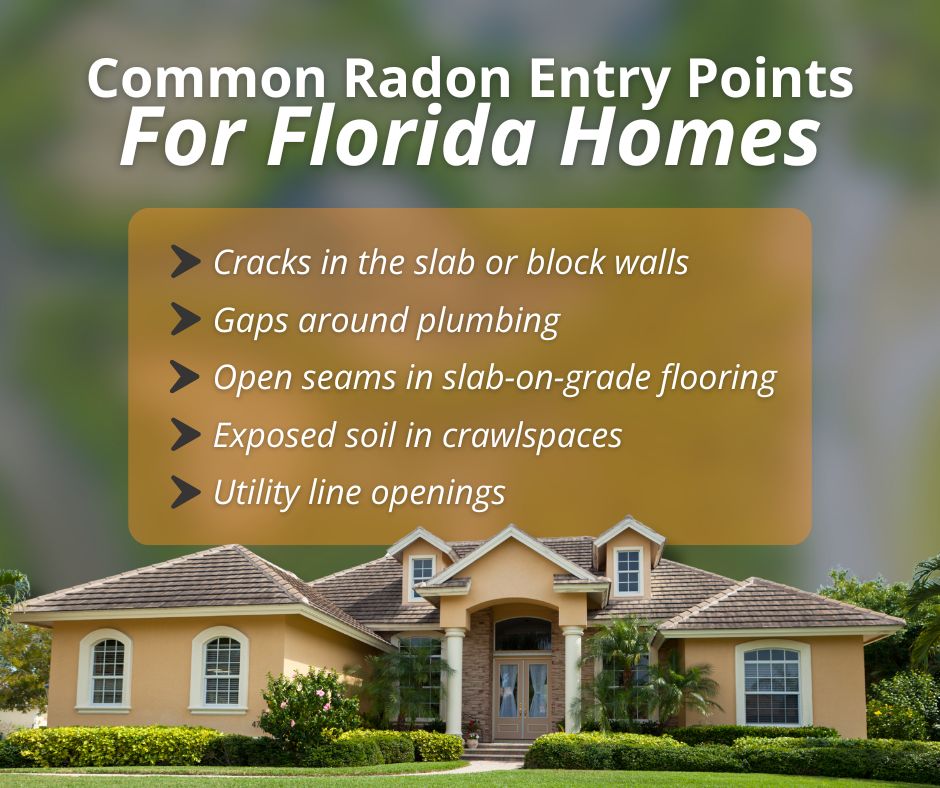
Radon moves from the soil into homes through the path of least resistance. Common entry points include:
- Foundation cracks
- Open block walls
- Gaps around plumbing or electrical
- Sump pump openings
- Crawlspaces or low-lying areas
Once inside, radon becomes trapped without proper ventilation. Because radon is a gas, it can move through even very small gaps.
What Homeowners Should Do if These Signs Are Present
If you notice any conditions on this list, the next step is simple: schedule a radon test. Testing is the only way to confirm the presence or level of radon inside a home.
Homeowners should consider testing when:
- Buying or selling a home
- Moving into a home built on a slab
- Renovating or opening sealed areas
- Living in a home with little airflow
- Noticing persistent humidity or moisture issues
- It has been more than two years since the last test
Radon testing is fast, affordable, and one of the most helpful steps homeowners can take to ensure a safe indoor environment.
Other Related Questions
Do Florida homes with slabs still need radon testing?
Yes. Even homes without basements can have elevated radon levels because the gas moves directly through the soil and slab.
Can radon get into newer energy-efficient homes?
Yes. Tighter construction often traps indoor air for longer periods, which can allow radon to accumulate more easily.
Is radon only a concern in older homes?
No. Radon can affect homes of any age, and newer homes can sometimes experience higher levels due to improved air sealing.
Should I test for radon before buying a home in Central Florida?
Many buyers do. Radon testing provides peace of mind and helps you understand the indoor air quality before closing.
When to Call a Professional
Call a qualified inspector when you want accurate testing and clear results. Testing is recommended when:
- Buying or selling a home
- Noticing poor airflow or humidity issues
- Living in a home with slab-on-grade construction
- It has been two or more years since the last test
- You want to confirm the current indoor air quality
- You live in an area known for elevated radon levels
Professionals use accurate testing equipment and provide clear results, so you know whether additional steps are needed to make the home safer.
Conclusion
Radon is a silent indoor air quality concern that can affect any home in Central Florida. While the signs are not always obvious, certain conditions and patterns make elevated radon levels more likely. Recognizing these risk factors and scheduling a radon test can help protect your home and your family.
If you want a clear understanding of radon levels in your home, Central Florida Building Inspectors can help. Book a visit today to get accurate results and take the next step toward a safer indoor environment.