One of the first questions buyers and sellers ask is how long a home inspection will take. The answer matters because inspections affect scheduling, negotiations, repairs, and closing timelines.
In Central Florida, where homes range from older block construction to newer planned communities, inspection time can vary more than many people expect. A home inspection is a methodical evaluation of visible and accessible areas of the property.
Understanding how long inspections typically take and why helps set realistic expectations and reduces stress on inspection day. This guide explains it, plus what factors influence inspection time, and how different inspection types compare.
What a “Standard” Home Inspection Includes
A standard pre-purchase home inspection is a visual evaluation of the home’s major systems and components. The goal is to identify visible defects, safety concerns, and conditions that may require further evaluation.
A standard inspection typically covers:
- Roof, gutters, and exterior surfaces
- Foundation and visible structural components
- Electrical systems and panels
- Plumbing systems and fixtures
- Heating and cooling systems
- Interior walls, ceilings, floors, doors, and windows
- Attic areas and insulation (where accessible)
Inspectors do not perform repairs or invasive testing. Instead, we document visible conditions and explain their potential impact on the home.
Average Duration of a Standard Home Inspection
In most cases, a standard home inspection takes two to four hours.
Smaller homes with straightforward layouts often fall closer to the two-hour range. Larger homes, older homes, or properties with complex systems typically require more time.
Industry guidance from professional inspection organizations consistently shows that inspection time increases with home size, age, and system complexity. At CFBI, inspection time is based on what the home requires, not a preset time limit.
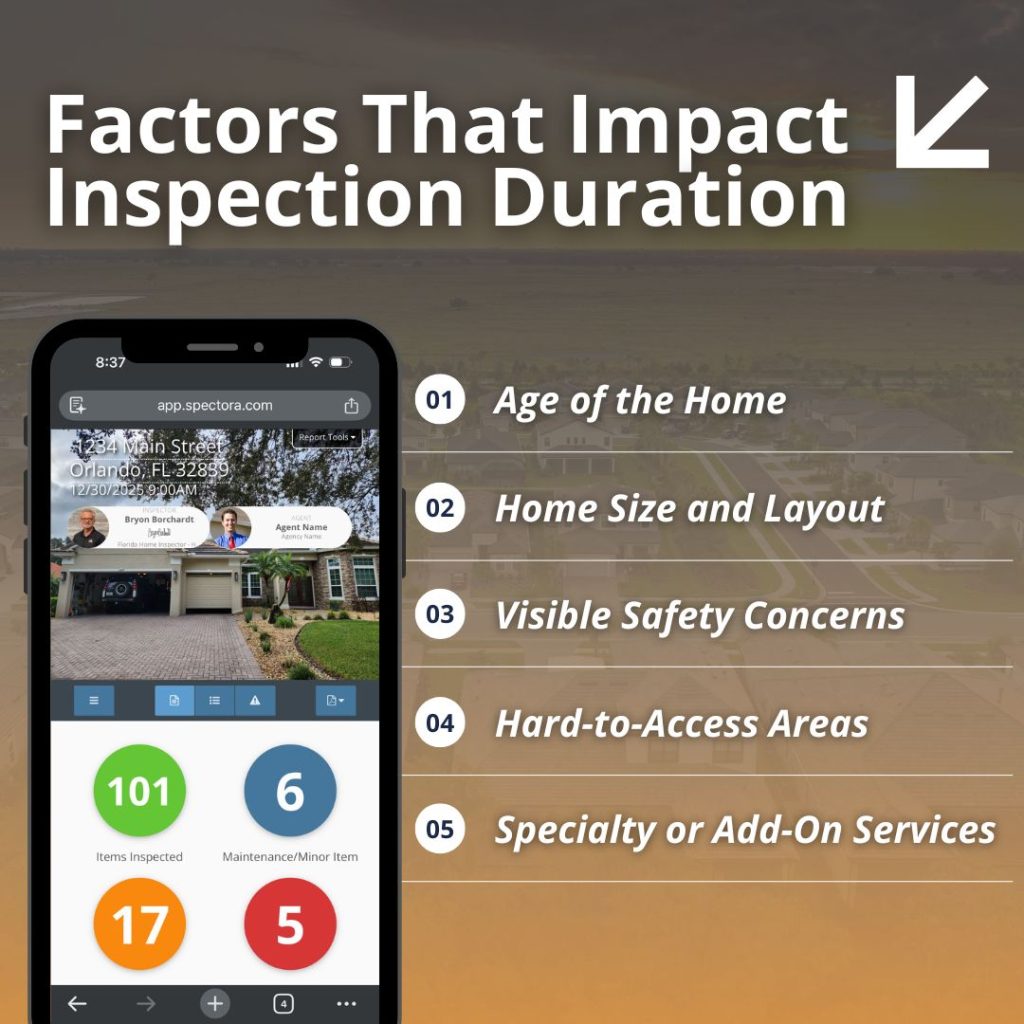
Why Home Size and Layout Matter
Square footage plays a major role in inspection length. Larger homes simply have more to evaluate.
Bigger homes usually include:
- More rooms and interior surfaces
- Longer rooflines and more roof penetrations
- Additional electrical circuits and plumbing fixtures
- Multiple HVAC systems
Multi-story homes also take longer due to stair access, roof height, and expanded exterior evaluations. Inspectors must move carefully and safely while documenting conditions.
How the Age of the Home Affects Timing
Older homes almost always take longer to inspect.
In Central Florida, many homes were built before modern electrical, plumbing, and insulation standards were widely adopted. Older homes often include:
- Outdated wiring methods
- Aging plumbing materials
- Multiple renovations over time
- Non-standard construction practices
Inspectors spend additional time tracing how systems interact, documenting safety concerns, and explaining what those findings mean for the homeowner or buyer.
How Maintenance and Condition Change Inspection Time
The overall condition of the home matters as much as its age.
Well-maintained homes are often easier to inspect because systems are accessible and functioning as intended. Homes with deferred maintenance require more documentation and explanation.
Inspection time increases when inspectors need to:
- Document multiple defects
- Follow moisture staining or water damage
- Evaluate safety hazards
- Take additional photos for clarity
This extra time ensures the final report accurately reflects what was observed.
Accessibility Plays a Bigger Role Than Most People Expect
Inspectors can only evaluate areas that are visible and accessible at the time of inspection.
Inspection time may increase when:
- Attics are large or difficult to access
- Crawl spaces require careful entry
- Electrical panels are blocked
- Storage limits access to key components
In some cases, a lack of access limits the inspection rather than extending it. Those limitations are clearly documented in the report.
Weather and Environmental Factors in Central Florida
Weather conditions can affect inspection timelines, especially in Central Florida.
High heat, humidity, or heavy rain can influence:
- Roof inspections
- Exterior evaluations
- Attic conditions
Inspectors adjust their approach for safety while still completing a thorough evaluation. Weather may slow certain parts of the inspection, but it does not reduce the inspection scope.
What Inspectors Do During the Inspection
Inspection time includes more than walking through the home.
Inspectors are actively:
- Evaluating systems visually
- Operating components safely
- Taking photos and detailed notes
- Comparing conditions across systems
- Documenting findings for the report
Much of the work happens in real time, so the final report is accurate and easy to understand.
Does Attending the Inspection Change the Timeline?
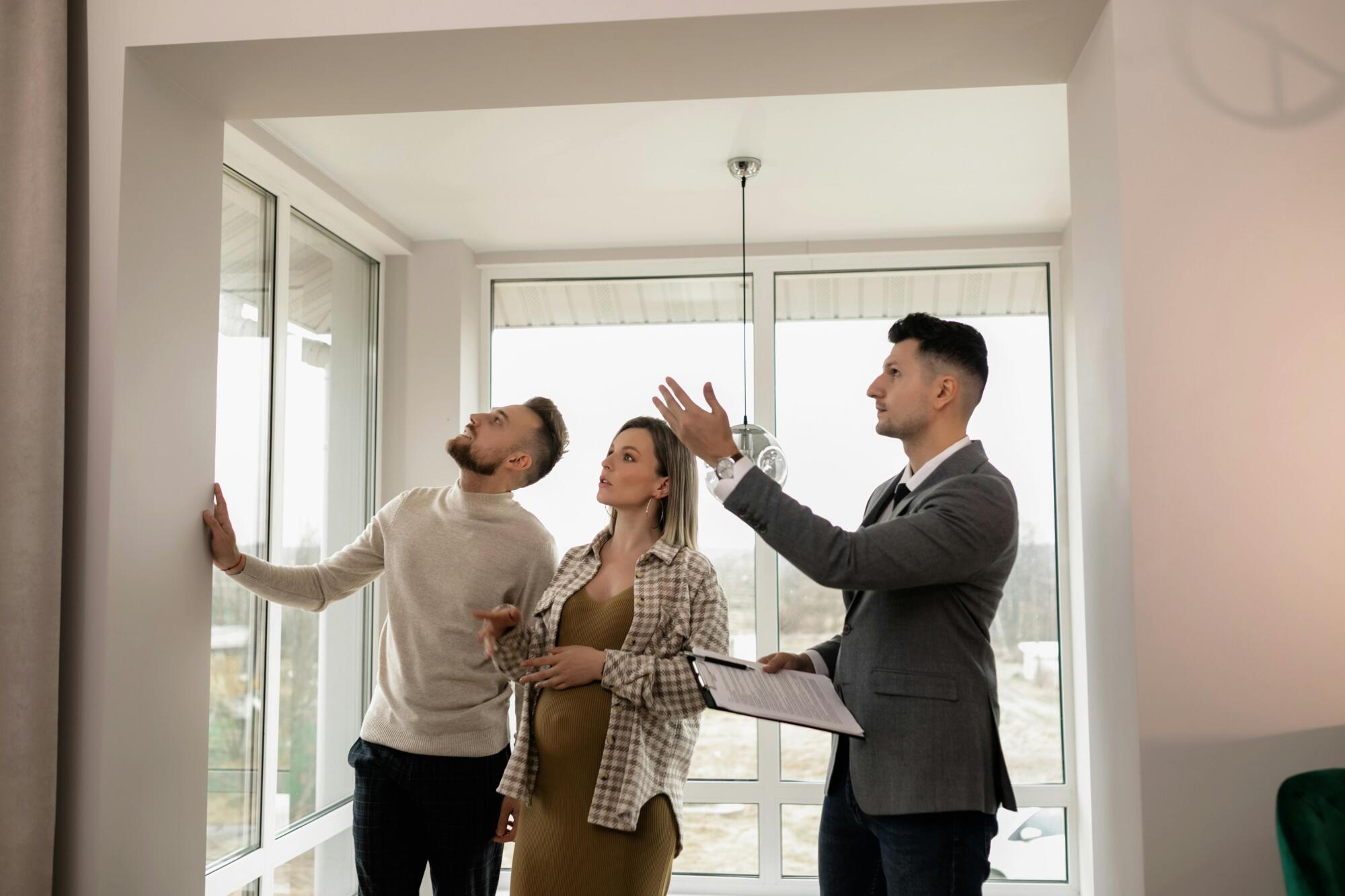
Buyers are often encouraged to attend the inspection, especially near the end.
In most cases, attendance does not significantly extend inspection time. Inspectors expect questions and plan accordingly. However, lengthy discussions during the inspection rather than afterward can add time.
CFBI inspectors aim to explain findings clearly while keeping the inspection moving efficiently.
Inspection Time Versus Report Delivery
Inspection time and report delivery are related but not the same.
While the on-site inspection may take several hours, the report requires additional time for:
- Organizing photos
- Writing explanations
- Reviewing observations
- Formatting the final report
Many inspection reports are delivered the same day or within 24 hours, depending on the size and complexity of the inspection.
How Other Inspection Types Compare
CFBI offers several inspection types beyond the standard home inspection. Each has a different time commitment based on scope.
Pre-Listing Inspections
Pre-listing inspections usually take a similar amount of time as buyer inspections. These inspections help sellers identify issues early and often reduce surprises during the sale process.
New Construction Inspections
New construction inspections vary based on the stage of the build.
Completed new homes often take two to three hours. Custom features, multiple systems, or larger homes may require additional time.
Pre-Drywall Inspections
Pre-drywall inspections are typically shorter, often one to two hours. Inspectors focus on framing, electrical rough-ins, plumbing rough-ins, and visible structural elements before walls are closed.
4-Point Insurance Inspections
A 4-point inspection focuses only on four systems:
- Roof
- Electrical
- Plumbing
- HVAC
Because the scope is limited, these inspections are often completed in under an hour. However, careful documentation is still required to meet insurance standards.
Wind Mitigation Inspections
Wind mitigation inspections focus on roof shape, attachment methods, secondary water resistance, and opening protections. These inspections are usually shorter but may take longer on complex roof designs.
HUD Inspections
HUD inspections follow specific program guidelines and checklists. Timing varies based on property size and program requirements. These inspections are more structured and often take longer than basic specialty inspections due to documentation needs.

Specialty Inspections and Typical Timing
Depending on the location, the inspection firm you’re working with, and their licensing, specialty inspections vary widely. Here’s a look at the timing you can expect for specialty services offered by CFBI:
- Mold inspection and testing may take one to two hours, depending on sampling
- Radon inspections involve device placement and later retrieval
- Sewer scope inspections are often completed in under an hour
- Solar panel inspections depend on system size and access
- Swimming pool inspections add time due to equipment and safety checks
- Termite (WDO) inspections are typically shorter but require detailed documentation
- Thermal imaging adds time due to scanning and interpretation
- Well water quality testing includes sampling and lab coordination
When combined with a standard inspection, the total expected inspection time will increase accordingly.
Why Extremely Short Inspections Can Be a Red Flag
Inspection time alone does not determine quality. However, extremely short inspections may raise questions.
Rushed inspections may:
- Miss defects
- Overlook safety concerns
- Provide limited documentation
- Create confusion later
Thorough inspections take time because homes are complex systems, not simple checklists.
Why Central Florida Homes Might Require More Time
Central Florida homes face unique conditions that affect inspection time.
Common regional factors include:
- High humidity and moisture exposure
- Roof wear from the sun and storms
- Termite and pest activity
- Aging housing stock in some areas
Inspectors must evaluate how these conditions impact the home’s systems and structure, which adds time and documentation.
How Sellers and Buyers Can Help the Inspection Run Smoothly
A few simple steps help inspections stay efficient:
- Ensure utilities are on
- Clear access to panels and attic entries
- Unlock gates and storage areas
- Secure pets
These steps do not shorten inspection time dramatically, but help avoid unnecessary delays.
Related Questions to Explore
What does a home inspection actually cover versus specialty inspections?
A standard inspection reviews major systems, while specialty inspections focus on specific concerns like pests, moisture, or structural details.
Why do insurance inspections take less time than full inspections?
Insurance inspections (like 4-point and wind mitigation) have a limited scope focused on specific systems or risk factors.
Can inspection timing affect closing schedules?
Yes. Inspection findings and report delivery timelines influence repair decisions and negotiations.
Are inspections different for new construction versus older homes?
Yes. New construction inspections focus on installation quality, while older homes require more evaluation of aging systems.
Conclusion
A standard home inspection usually takes two to four hours, but inspection time varies based on home size, age, condition, and inspection type. In Central Florida, climate and construction styles add additional factors.
Inspection time reflects thoroughness. A well-documented inspection provides clarity, reduces surprises, and supports better decision-making.
CFBI performs a wide range of inspections across Central Florida, from standard home inspections to insurance, new construction, and specialty inspections. Book your service visit today.