Navigating the world of commercial real estate in Central Florida requires a deep understanding of how different lease structures shift financial responsibility. One of the most common frameworks you will encounter and need to know the meaning of is the triple net lease (NNN).
While this setup can offer stability for landlords, it places a heavy burden on the tenant to maintain the property. Because the tenant is responsible for almost every expense, understanding the triple net lease and the physical state of the building is vital before any papers are signed.
A commercial building in Florida faces intense humidity, sun exposure, and storm risks; all of which can lead to expensive repairs if the building hasn’t been properly maintained. A professional NNN inspection is your primary tool for managing that risk.
Understanding the Meaning of a Triple Net Lease
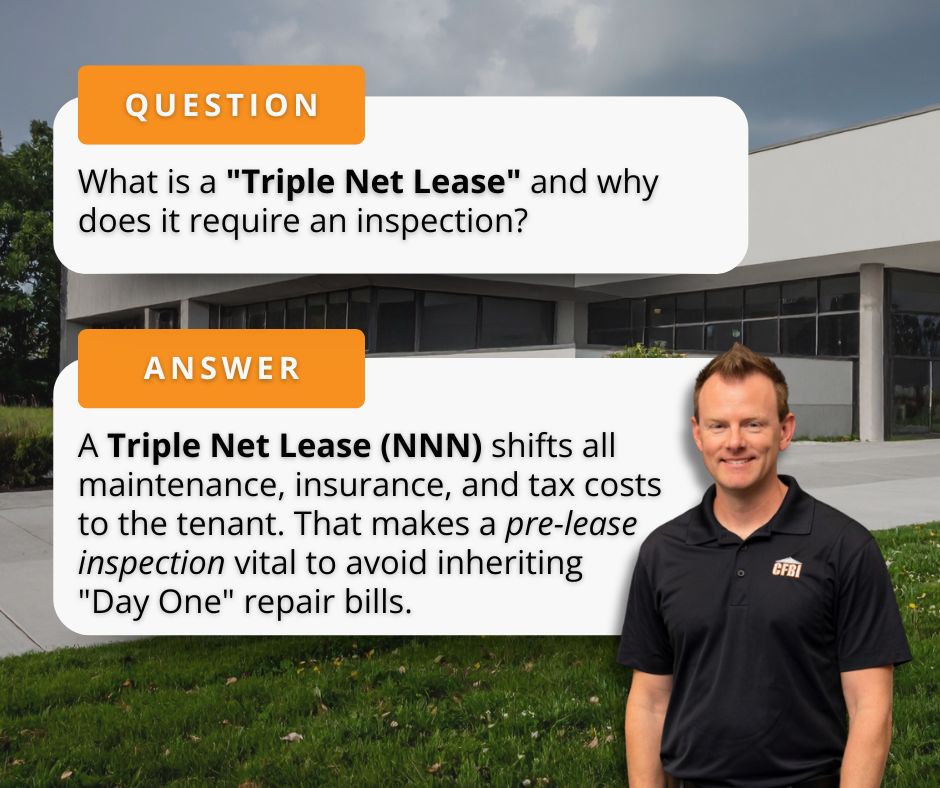
The triple net lease meaning refers to a lease agreement where the tenant pays the base rent plus the three “nets”: property taxes, building insurance, and maintenance costs.
In a standard residential lease, the landlord handles the roof, the HVAC, and the plumbing. In a triple net lease, those responsibilities shift almost entirely to the tenant.
For a business owner, this means you are not just renting space; you are essentially managing the building’s infrastructure. If the air conditioning fails or the parking lot needs repaving, the bill lands on your desk.
This is why a pre-lease inspection is non-negotiable. You need to know exactly what condition those “nets” are in before you agree to pay for their upkeep for the next five to ten years.
The “Three Nets”
Under this agreement, the tenant is responsible for three primary categories of expenses beyond the base rent:
- Net Real Estate Taxes: You pay the property taxes for the space you occupy.
- Net Property Insurance: You pay the premiums for the building’s insurance coverage.
- Net Operating Expenses: This covers all maintenance, repairs, and common area charges.
Why An NNN Inspection Is Critical For Tenants
A commercial inspection for a triple net lease identifies the remaining life of major systems so the tenant can negotiate repair reserves or rent credits.
When you sign an NNN lease, you are often accepting the building in its current condition. If the roof is twenty years old and nearing the end of its life, you could be on the hook for a six-figure replacement just months after moving in.
By hiring CFBI to perform a Property Condition Assessment (PCA), you receive a detailed breakdown of the building’s health. We follow ASTM E2018 standards to ensure every major component is evaluated.
This data allows you to enter negotiations with facts rather than guesses, ensuring the triple net lease meaning does not result in a financial disaster for your business.
Avoiding The “Day One” Expense
Many tenants move in only to find the HVAC units are failing or the electrical system is overloaded. In a triple net lease, even if the unit breaks on day one of your lease, the repair bill is typically yours.
A professional inspection prevents these surprises by giving you an “expiration date” for every major system.
Key Areas Covered In A Commercial Inspection
Our inspectors focus on the “big ticket” items that represent the highest financial risk under a triple net agreement.
We look beyond the cosmetic finishes to the core systems that keep the building operational and safe.
1. Roofing And Building Envelope
In Central Florida, the roof is the first line of defense against tropical storms and intense heat. We inspect for signs of ponding water, membrane degradation, and flashing failures.
A leak in a commercial warehouse or retail space can lead to massive inventory loss and mold issues, both of which are usually the tenant’s responsibility to remediate.
2. HVAC And Mechanical Systems
Commercial HVAC units are expensive to maintain and even more expensive to replace. In Orlando, replacing a standard commercial AC unit in 2026 can cost over $6,000 or more, depending on the tonnage and efficiency.
We evaluate the age, maintenance history, and current performance of the units. In an NNN lease, the tenant is typically responsible for quarterly maintenance and all repairs. If the compressors are failing, you need to know before the lease starts.
3. Electrical And Plumbing Infrastructure
We check for outdated wiring, panel safety, and the condition of the main plumbing lines. For restaurants or medical facilities, these systems are under constant heavy use. Identifying a collapsed sewer line or an overloaded electrical panel during the due diligence period can save you from a forced closure later.
4. Life Safety Systems
This includes fire sprinklers, alarm systems, and emergency lighting. These systems must meet strict local codes in Orange, Osceola, and Seminole counties. If the building is not up to code, the tenant may be required to pay for the upgrades to obtain a certificate of occupancy.
How To Use The Inspection Report In Negotiations
The information found in your CFBI inspection report serves as your primary leverage when finalizing the terms of a triple net lease.
Once you understand the triple net lease meaning and how it applies to your specific building, you can work with your broker to protect your cash flow.
| Inspection Finding | Potential Negotiation Strategy |
| Aging HVAC Units | Request the landlord replace units before move-in. |
| Roof Near End of Life | Negotiate a “cap” on maintenance costs or a rent credit. |
| Parking Lot Cracking | Ask for the lot to be resealed and restriped as a condition of the lease. |
| ADA Compliance Issues | Ensure the landlord brings the exterior into compliance before turnover. |
| Sewer Line Damage | Require a professional hydro-jetting or repair before signing. |
Hidden Costs To Watch For In Triple Net Leases
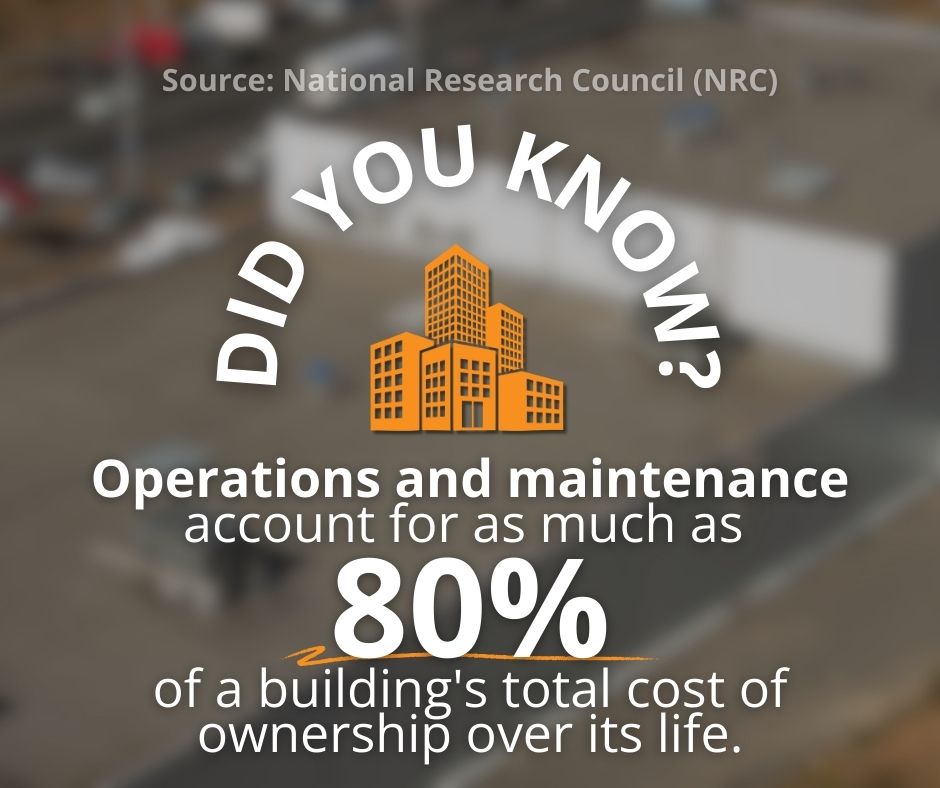
While the “big three” nets are standard, there are often hidden language and variable costs that can impact your monthly budget.
Being aware of these ensures you aren’t surprised by a bill that exceeds your projections.
Capital Expenditures vs. Maintenance
A major point of contention in NNN leases is the difference between a repair and a replacement. Most leases require the tenant to handle repairs (maintenance), but structural replacements (capital expenditures) may still be the landlord’s responsibility.
Your inspection report clearly labels items that are beyond repair, helping your legal team clarify these boundaries in the contract.
Common Area Maintenance (CAM) Fees
If your business is in a shopping center or multi-tenant building, you will pay CAM fees. These cover parking lot lighting, landscaping, and trash removal.
If the parking lot or driveway is in poor condition, your CAM fees might spike next year to cover the repaving. An inspection of the entire site (not just your unit) is essential for NNN tenants.
Rising Insurance And Tax Costs
Because you pay the taxes and insurance, your “rent” can change every year. In Central Florida, property insurance premiums have fluctuated significantly.
While an inspector doesn’t set these rates, identifying high-risk building features (like an old roof or lack of fire sprinklers) can help you estimate if your insurance costs are likely to rise.
Other Related Questions
What goes into a Property Condition Assessment in Orlando?
A Property Condition Assessment (PCA) is a comprehensive deep dive into the physical state of a commercial asset. It follows strict industry standards to evaluate everything from the structural foundation to the life safety systems. This report is often the backbone of the due diligence process for major acquisitions or long-term leases.
How does thermal imaging improve a commercial building inspection?
Thermal imaging, or infrared thermography, allows inspectors to “see” temperature differences behind walls and under roof membranes. This technology is vital for spotting hidden moisture intrusion, electrical hotspots, or insulation gaps that the naked eye would miss. It is a non-invasive way to find problems before they lead to structural failure or fire hazards.
Is a sewer scope necessary for commercial buildings?
Absolutely. Many commercial buildings in Central Florida have older cast-iron or clay pipes. Since the tenant is often responsible for the plumbing lines all the way to the city connection, a sewer scope is the only way to ensure you aren’t inheriting a collapsed or root-infested pipe.
Does a commercial inspection cover mold and air quality?
Standard inspections are primarily structural and mechanical, but we highly recommend adding mold testing in Florida. Because the tenant is responsible for the building’s interior environment, finding a pre-existing mold issue is vital to avoid being blamed for it later.
Wrapping Up
A triple net lease can be a great opportunity for a business to have more control over its space, but it comes with significant financial risk. Understanding the triple net lease meaning is only half the battle; you must also understand the physical reality of the building you are leasing. A professional commercial inspection provides the transparency needed to sign a lease with confidence.
At CFBI, we provide expert commercial building inspections throughout Orlando, Kissimmee, St. Cloud, and the surrounding Central Florida areas. Let us help you uncover the true condition of your property so you can make a smart, informed investment.