Short-sales often catch a buyer’s attention because of price. When a listing appears below market value, it is natural to wonder whether it could be a smart opportunity. But these deals come with risks that many buyers do not fully understand until the process is already underway. So what are the risks of buying a short-sale home?
The biggest risks are usually not obvious during a showing. They involve the condition of the property, limited seller responsibility, financing and insurance hurdles, and uncertainty around repairs. In Central Florida, climate and insurance requirements can add even more complexity.
This guide explains the most common risks associated with short-sale homes, what buyers should be cautious about, and why professional inspections are especially important before moving forward.
What a Short-Sale Really Means for Buyers
A short-sale occurs when a homeowner sells their property for less than the remaining mortgage balance, and the lender agrees to accept the lower amount. Because the lender must approve the sale, short sales typically involve longer timelines and stricter terms.
For buyers, this often means:
Extended waiting periods for approval
Limited communication with the seller
Reduced flexibility during negotiations
Properties sold strictly as-is
In many cases, the seller is already under financial stress. As a result, routine maintenance and repairs are often delayed or ignored, which directly affects the condition of the home.
Deferred Maintenance Is One of the Most Common Risks
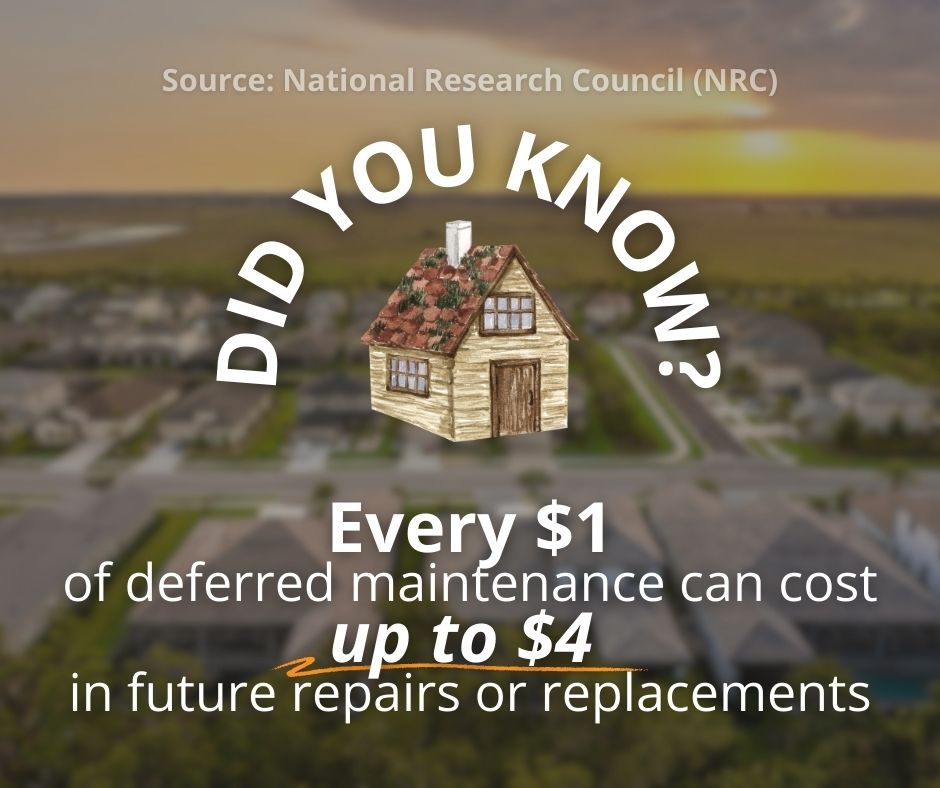
Deferred maintenance is one of the biggest risks buyers face with short-sale homes. When homeowners struggle financially, repairs are often postponed for months or even years.
Deferred maintenance may include:
Roof leaks that were never repaired
Plumbing issues that worsened over time
HVAC systems that went without service
Electrical concerns that were ignored
Water damage that spread unnoticed
These problems may not be immediately visible during a walkthrough. Paint, flooring, or staging can hide underlying issues. A professional inspection helps uncover the true condition of the home beneath the surface.
Short-Sale Homes Are Commonly Sold As-Is
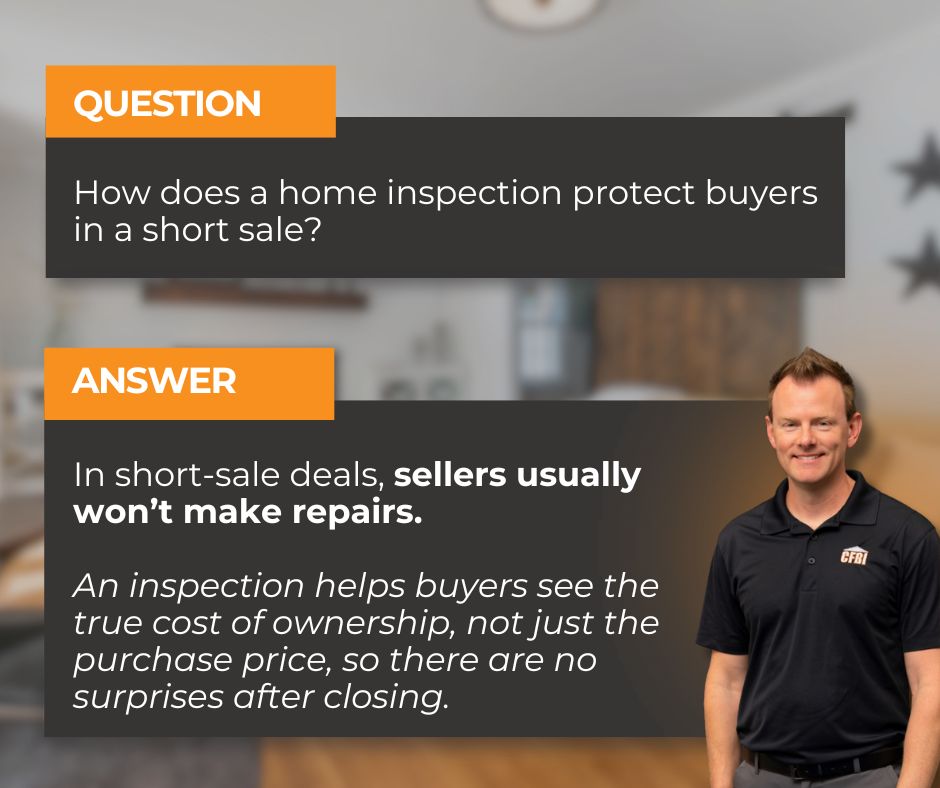
Most short-sale properties are sold as-is, meaning the seller and lender are unlikely to make repairs or offer credits after the inspection.
Safety or system issues may still be present at closing
Understanding what repairs may be needed before purchase is critical when buyers cannot rely on the seller to address issues.
Limited Access and Occupancy Issues
Short-sale homes may be vacant, partially occupied, or inconsistently maintained. In some cases, sellers no longer live in the home or have limited involvement in the process.
Limited access increases risk because buyers may only get one opportunity to fully evaluate the home. A thorough inspection during that window becomes even more important.
Utility Shutoffs Create Hidden Inspection Risks
In short-sale situations, utilities may be shut off due to nonpayment. This limits what can be evaluated during an inspection and increases uncertainty.
Without utilities, inspectors may not be able to fully assess:
Moisture problems can affect structural components, indoor air quality, and long-term livability. Inspections help identify visible signs of moisture intrusion and conditions that increase mold risk.
Unknown Repair History and Unpermitted Work
Short-sale homes often come with limited documentation. Sellers may not provide records of past repairs, upgrades, or improvements.
A professional inspection helps identify visible workmanship concerns and red flags that suggest deeper problems.
Financing and Insurance Complications Are a Major Risk
One of the most overlooked risks of buying a short-sale home involves financing and insurance approval. Even if a buyer is willing to handle repairs, lenders and insurance providers may still see the property as higher risk.
In Florida, insurance companies often require additional inspections before issuing a policy. These inspections help insurers evaluate risk, but they do not guarantee approval.
Just as important, insurance carriers do not all review inspection results the same way. One insurer may accept a home with certain conditions, while another may require repairs, higher premiums, or decline coverage entirely. This variability adds another layer of uncertainty for buyers.
Why 4-Point Inspections Matter
A 4-point inspection focuses on four major systems: roof, electrical, plumbing, and HVAC. Insurance companies commonly request this inspection for older homes or properties with higher perceived risk.
Short-sale homes are more likely to raise concerns in these areas due to deferred maintenance, aging systems, or incomplete repairs. A 4-point inspection helps document current system conditions, but insurers ultimately decide how they interpret those findings.
In some cases, the inspection may trigger repair requests. In others, it may simply affect premium pricing or coverage terms.
How Wind Mitigation Inspections Fit In
Wind mitigation inspections evaluate features that may reduce wind damage, such as roof shape, attachment methods, and protective construction details. These inspections can influence insurance eligibility and premium discounts.
For short-sale homes, missing or outdated wind-resistant features may limit available coverage options or increase costs. Even when wind mitigation features are present, insurers may apply different standards when reviewing the same report.
Understanding this variability early helps buyers plan realistically and avoid surprises late in the process.
By identifying insurance-related concerns early and understanding that insurers evaluate risk differently, buyers can better determine whether a short sale is financially viable before moving forward.
Common Short Sale Risks and Buyer Impact
Risk Area
Why It Matters
Deferred maintenance
Higher repair costs
As-is sale terms
Limited negotiation
Utility shutoffs
Hidden system issues
Moisture damage
Long-term structural risk
Insurance requirements
Coverage delays or denials
This overview helps buyers see how short sale risks often overlap and compound.
Why Short Sale Inspections Require Extra Attention
Inspecting a short-sale home requires a careful, detail-focused approach. Inspectors must look for signs of long-term neglect and conditions that affect safety, insurability, and livability.
Highlighting conditions that may affect insurance or financing
This approach helps buyers decide whether a short sale aligns with their budget, risk tolerance, and long-term plans.
Related FAQs to Explore
How do I know if a home has been poorly maintained over time? Patterns such as recurring water damage, aging systems, or inconsistent repairs often point to long-term maintenance issues. A professional inspection helps identify whether problems are isolated or part of a larger pattern.
How do inspection findings affect long-term ownership costs? Inspection results help buyers anticipate future repairs, maintenance needs, and potential upgrades, which directly impact budgeting after closing.
What should buyers understand about homes sold as-is? As-is terms shift responsibility to the buyer. Inspections become the primary way to understand property condition before committing to repairs and ongoing upkeep.
How does Florida’s climate impact home conditions over time? Heat, humidity, and storms increase wear on roofs, HVAC systems, and building materials. Homes that were not consistently maintained are more likely to show moisture-related issues.
When to Book With a Home Inspector
Buying a short-sale home increases uncertainty, which makes inspection timing and quality even more important.
A professional inspection helps buyers understand true property condition, insurance considerations, and potential repair costs before committing to the purchase.
Conclusion
Short-sale homes can offer opportunities, but they also come with real risks. Deferred maintenance, as-is terms, limited access, moisture concerns, and insurance complications are common issues buyers must be prepared for, especially in Central Florida.
Understanding these risks early helps buyers avoid costly surprises and make informed decisions. A professional home inspection provides the clarity needed to decide whether a short sale is a smart investment or a financial burden waiting to happen. Book yours with CFBI today.
Getting a pre-listing inspection allows sellers to uncover and address potential issues before putting their home on the market. Not only can this build buyer trust, but it can also reduce negotiation hurdles, and the inspection can allow you to have a higher asking price too.
According to Zillow, the average selling price for a home in Orlando, FL is $375,504. Obviously, because this is the average price, you aren’t tied to this specific number. If you’re selling, then your home may go for above or below $375,504, depending on its condition and how well you market it.
As part of home sale preparation, many people like to get a pre-listing inspection. We’ll discuss what this is and what benefits you can get from one.
What’s the Purpose of a Pre-Inspection?
The purpose of a pre-listing inspection is to find potential issues early. This means that it’s a proactive step initiated by the seller, as it gives them time to repair or address the concerns before buyers see the property.
In turn, this inspection has two purposes, the first of which is boosting buyer confidence. The other is to maximize the home’s value, as it reduces negotiation pressure later on.
As a seller, taking this step allows you to enter the market with fewer surprises since you have more control over repair decisions.
What’s the Biggest Red Flag in a Home Inspection?
During a home inspection, it’s very possible that you may find red flags. The biggest ones are:
Foundation cracks
Roof damage
Mold
Faulty electrical systems
Plumbing leaks
These repairs are often costly since they usually involve major structural or safety concerns. As expected, buyers often walk away, as they typically assume that if there’s one large problem, then there are many other hidden ones. So it’s important to identify and fix such problems before listing.
Now that you know what a pre-listing inspection is, let’s go over the benefits you can get from ordering one.
Boosts Buyer Confidence
Naturally, buyers are cautious about making one of the biggest financial decisions of their lives. But home inspections can help everyone avoid costly mistakes, and instill confidence in potential buyers.
When you produce a pre-listing inspection, you’re proving that you’re transparent and not hiding problems. Buyer confidence will mean less hesitation or second-guessing offers.
Reduces Negotiation Stress
It’s likely that a buyer will order an inspection after making an offer, as they can use this to make repair requests or ask for concessions. As you might imagine, this can be stressful, as it can prolong negotiations or derail the sale. A survey done by real estate company Clever shows that 85% of homeowners fear accepting a lowball offer, so don’t let this happen to you.
But if you have a pre-listing inspection, you can prove that you’ve already addressed major issues upfront. As a result, this leaves less room for buyers to make demands.
Speaking of addressing major issues upfront, a pre-inspection will let you be in the driver’s seat, as you can choose contractors and schedule repairs at your convenience. This can help you save money.
Helps Your Home Stand Out in the Market
According to Realtor.com, Orlando has been a buyer’s market since January 2025, making it more difficult for sellers like you. This inspection can help your property stand out in the market since you’re demonstrating honesty and building trust in buyers. It also shows that your home is move-in ready, meaning that buyers will have a smooth transition.
This may result in a shorter time on the market since there are fewer surprises and fewer delays.
Supports a Higher Asking Price
A pre-listing inspection supports a home value increase since it proves that your house has fewer risks. This report and your result actions (such as proof of completed repairs) show that you’re justified in your asking price. Since buyers are often willing to pay more for peace of mind, it’s a win-win situation.
Frequently Asked Questions (FAQs)
How much does a pre-listing inspection cost?
Typically, this inspection costs between $300 and $600, depending on the size, age, and location of your home. A residential real estate inspection with CFBI starts at $299.
Plus, we have various packages to choose from that can save you money. They are:
Florida Standard Package (save $20)
Florida Standard Plus Package (save $30)
Florida Premium Package (save $40)
Florida Elite Package (save $60)
Who pays for the pre-listing inspection?
Because the inspection is done before the property goes on the market, the seller pays. Many view it as a part of their preparation costs, much like staging or landscaping, so you can consider it a necessary cost.
Do I have to fix everything the inspector finds?
No, you’re free to choose which repairs you want to focus on. While some sellers handle only major issues, others address cosmetic problems too. It’s up to you to decide which are worth it based on the cost, severity, and buyer expectations.
Will buyers still do their own inspection?
In most cases, yes. Buyers prefer to have their own inspection done for peace of mind, although your pre-listing inspection should give them reassurance as well.
Can I use the inspection report as a selling tool?
Yes, of course! Actually, you can use the inspection report as a way to demonstrate honesty and preparedness. You can even leave a copy at your open houses to show potential buyers that you’re proactive and have taken steps to ensure transparency.
What happens if the inspection uncovers something major?
If the report finds significant issues, you have several options:
Fix them before listing
Adjust your asking price accordingly
Disclose them upfront
Whichever action you choose, it’ll decrease the risk of potential buyers backing out later.
A Pre-Listing Inspection Is Worth It
You may be spending extra money on your home sale, but we promise that a pre-listing inspection is entirely worth it. Since it can catch major issues early on, this gives you control to address them before buyers see your home. This makes it worth every penny spent when you can have a less stressful and smoother selling experience.
Are you interested in a pre-listing inspection? Then schedule one with Central Florida Building Inspectors now. We can send out a certified, state-licensed inspector and produce a report within 24 hours.
The reason it’s important to think about radon gas is a very simple one; Radon gas is dangerous to your health if you live in a home with high concentrations of it. Therefore, it is essential for anyone in a home to look into radon testing. Take the time to check your home’s air quality and be confident it is free of radon gas emissions.
For those of you who don’t know, Radon gas is known to be the second largest cause of lung cancer in the U.S. just behind smoking. Florida is a hot spot, and Uranium is found in soil all around the state. Uranium in soil is natural, and the breakdown of that uranium is what causes radon gas.
You just need to be sure that the levels of Radon Gas emitted in the area you live is not putting your health at risk.
There are a few ways to go about checking into radon gas emissions. Department of Florida Health website includes helpful information for your local area. Another option is to contact a home inspection company that is state-certified to test for radon gas.
Give yourself peace of mind, and know the levels of radon in your home are low. Most professional home inspection companies offer radon testing as part of a specialist service.
It is worth being concerned about radon gas, as it is colorless and odorless. Data shows that many Florida homes have an above average level in the air quality, which is why it is important to test it.
In most cases radon gas, can be reduced. A radon technician will be able to assist in the best methods to decrease the risk level. If you are thinking about buying a property, it is smart to test for radon prior to purchasing.
Stay in touch, connect with Central Florida Building Inspectors, Inc. on our Facebook Page
There are many benefits of a home inspection, and it’s important to understand just how beneficial a home inspection service can be. A home inspection gives an accurate, detailed report of the inspected property. It gives the buyer all the information they need in order to make a wise and sound decision, on account that this is a critical financial choice to purchase a property.
One area worth looking at is the risk of fire inside the home. A specialist home inspection includes the testing of all working appliances in the home and inspects the safety of electrical wiring that is in place.
Fire safety and the prevention of fire in your home are essential. You should be doing all you can to reduce the chances of a fire starting in your home. The problem is fires start from various sources, faulty electrical wiring, faulty appliances, and blocked heating vents, all are ways a fire can break out in your home.
Home fire damage statistics prove that there can be major damage caused or worse, the unimaginable situation where there is a life lost. So, what can you do to ensure that your home is fire-safe, and you or your properties, are not the next addition to the statistics?
The best way is to take a safety measure, and check the appliances in your house are in working order; also check the wiring in the house is up to safety code regulations. Hire a home inspection company to review both of these items.
A professional, qualified inspector is able to test, and evaluate any potential risks that these factors pose. They can give the correct advice on how to get the problems sorted out.
You can also visit a fire safety website and gather more information on how to make your home fire proof, set up a plan or escape, and ensure your safety levels are at high levels all of the time.
It would be fair to say, those looking to buy a home do not have extra money to just “throw away”; buying a house is a massive investment that takes up most (if not all) of a person’s finances. Therefore, the average homebuyer should be working towards making the best investment decisions. They don’t want to buy a home that is rundown, with no prospects for a future sale.
Buying a rundown home can be avoided by requesting a home inspection. Buying a home is one of the biggest ventures a person can make. A home is a massive investment, and one should only purchase when they know exactly what they are getting into.
A homebuyer wants to get their monies worth; they will most certainly not want the hassle of having to get repairs fixed or having to put up with living in an unsafe house. These issues, if known about beforehand, could help in the decision not to buy the property.
Buyers looking to hire a home inspector should make sure the inspector is certified from the American Society of Home Inspectors. It is recommended buyers attend the home inspection in person. This is a great time to ask any questions and get the answers on the spot from a professional inspector.
A typical professional home inspection service can cost anything from $200 on up depending on size and age of the house. Once the inspection is complete, a full report with all details of house, digital photos, and more is presented to the buyer.
The inspector will be looking at the property for issues concerned with the roof, the heating, plumbing, crawl spaces, termite infestations, and many more aspects. Having an inspection report empowers the buyer with valuable information to make an informed decision. Having a detailed report gives the buyer an opportunity to walk away from the contract, give the seller an option to fix the repairs, or negotiate on the asking price.
A professional home inspector is trained and knows what to look for and their expertise can save a lot of money, time, and more importantly a lot of grief and hassle.