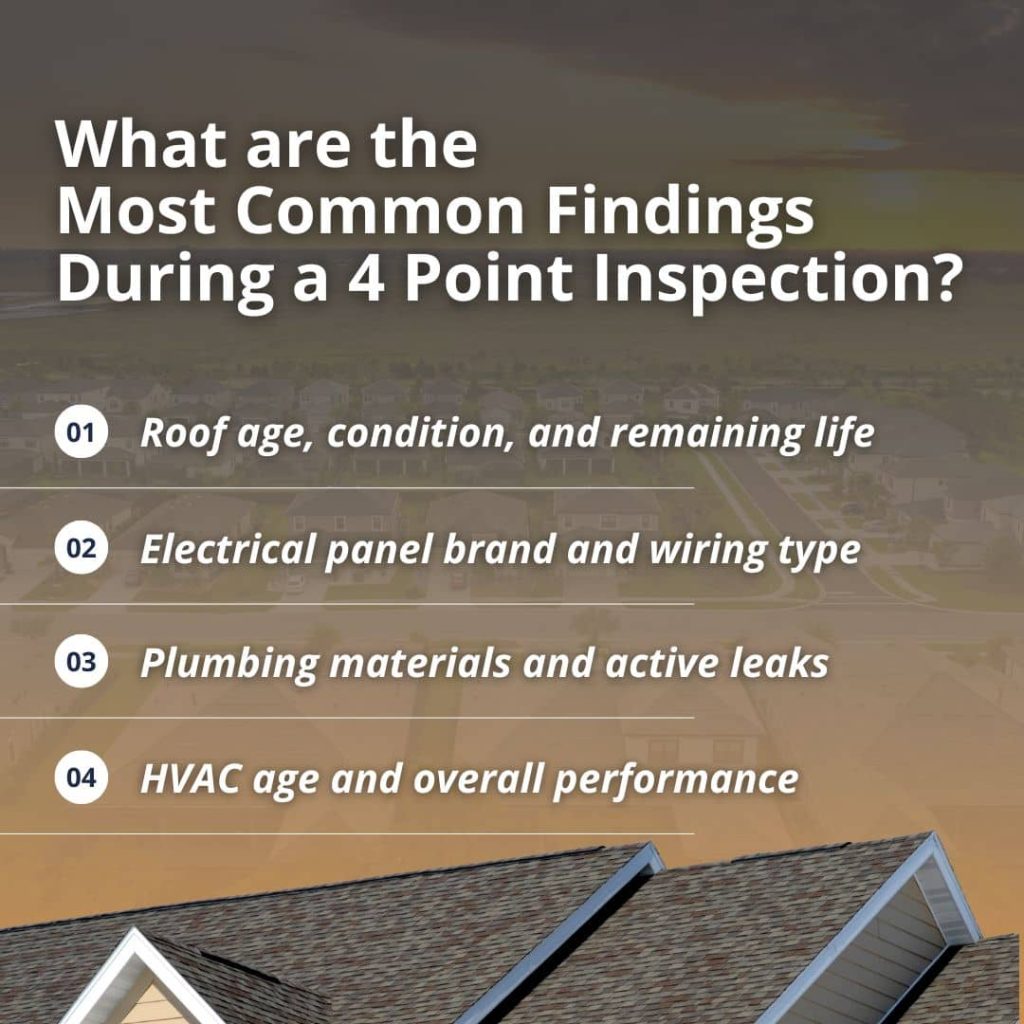
The most common findings on a 4-point inspection involve the roof, electrical system, plumbing, and HVAC: the four systems Florida insurers use to decide whether to write or renew a homeowners policy.
Older homes in Central Florida frequently turn up at least one issue, and knowing what inspectors typically document prepares you for what comes next. This post breaks down what CFBI inspectors find most often on each of the four systems, and what those findings mean for your coverage.
What Does a 4 Point Inspection Actually Cover?
A 4-point inspection is a focused evaluation of four systems: the roof, electrical system, plumbing, and HVAC. It is not a full home inspection. The inspector is not evaluating every accessible component of the property. They are documenting the condition, age, and materials of these four systems so your insurer can make an underwriting decision.
Florida insurers require this inspection for most homes 20 to 30 years old or older.
Some carriers now request it on homes as young as 15 years, particularly in the Central Florida market, where the insurance landscape has tightened considerably. The completed report is submitted on a standardized form.
Typically, the Citizens Property Insurance form, or a carrier-specific version for insurers like State Farm, which has its own 4-point inspection requirements.
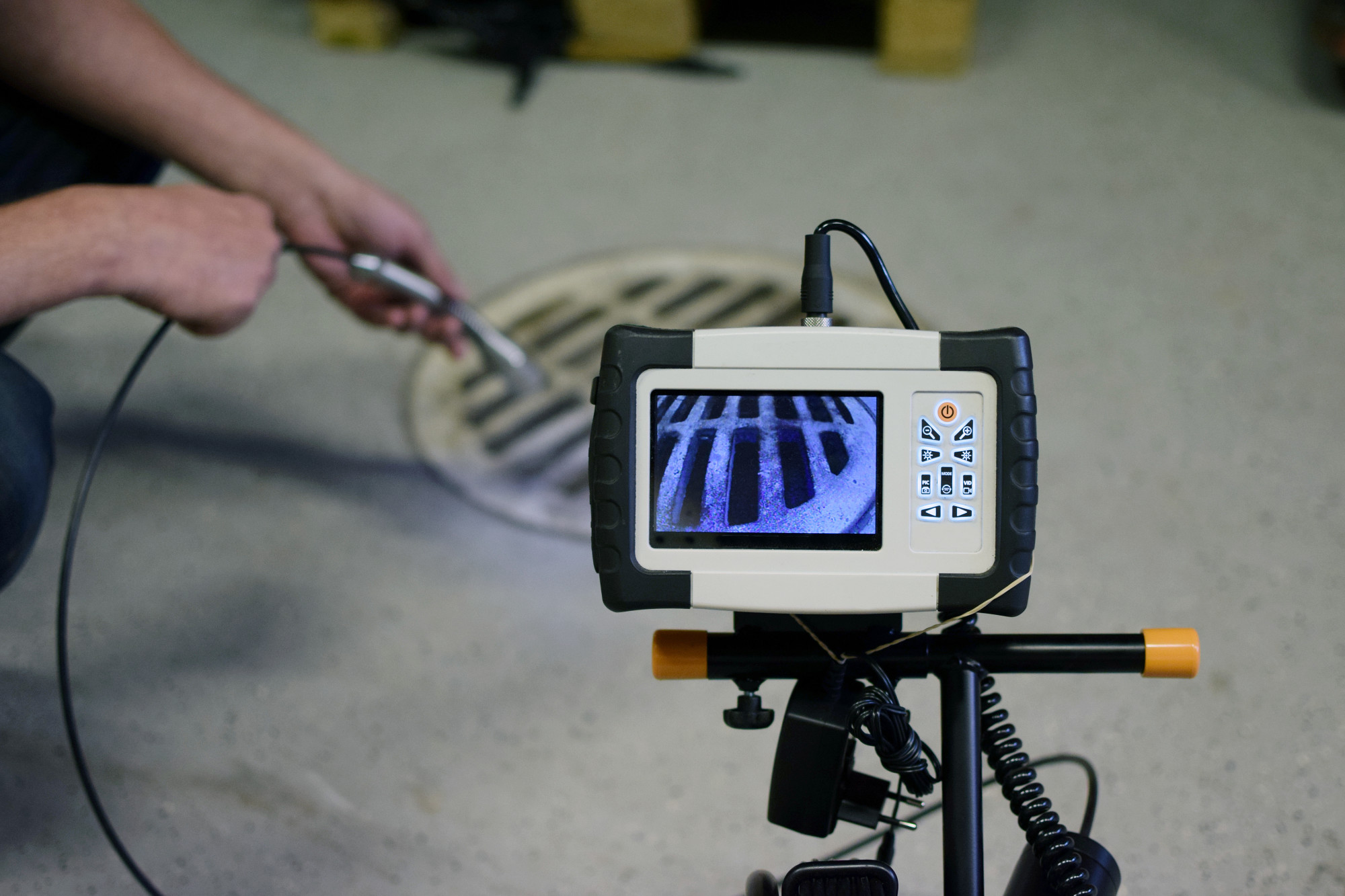
The inspector photographs every section of each system, including the electrical panel with the cover removed. That documentation is what your insurer reviews. For a full overview of what the inspection includes and when you need one, see our 4-point insurance inspection page.
Roof Findings
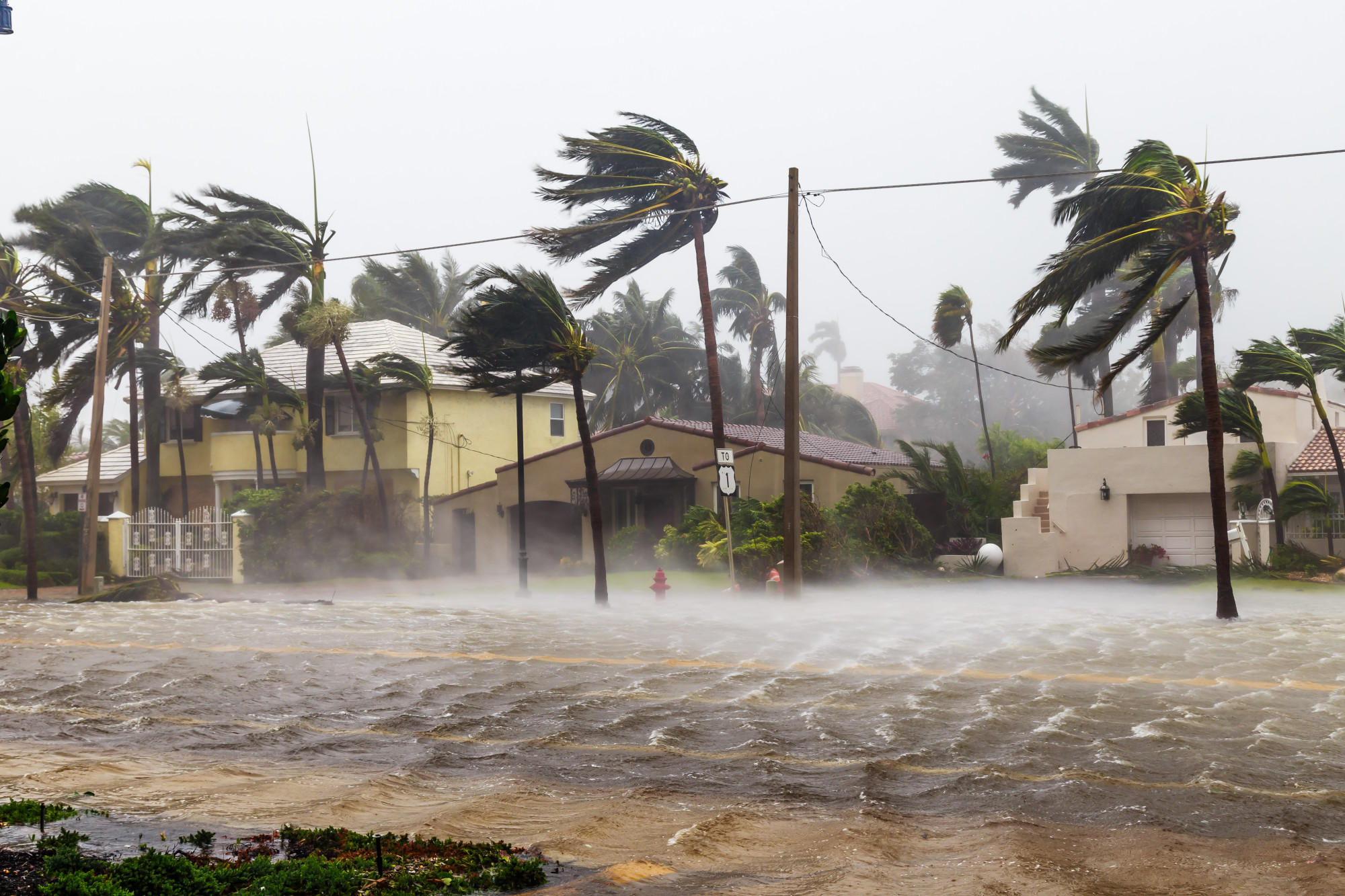
The roof is the most common source of findings on a 4-point inspection in Florida, and it is the system insurers scrutinize most closely. Hurricanes, intense UV exposure, and heavy seasonal rainfall wear roofs down faster here than in most of the country.
Age and Limited Remaining Life
The most frequent roof finding is simply age. Most Florida insurers want to see a roof with at least 3 to 5 years of remaining useful life. Inspectors estimate remaining life based on visible wear, material type, and installation date. A 20-year-old asphalt shingle roof in Central Florida may only have a few years left, even if it has not started leaking yet.
Tile and metal roofs generally get more favorable treatment because of their longer lifespans, but any roof with widespread granule loss, curling, or significant weathering will be flagged regardless of material.
Some insurers will decline coverage once a roof falls below their minimum remaining life threshold. Others will offer coverage at a higher premium or with a roof exclusion attached.
Missing Shingles, Leaks, and Visible Damage
Beyond age, inspectors document active signs of deterioration: missing or broken shingles, staining on the roof decking, sagging sections, and any evidence of water intrusion at penetration points like vents, chimneys, and skylights. Poor flashing is a common finding that homeowners overlook. It is a frequent source of slow leaks that cause damage long before anyone notices inside the home.
Active leaks are flagged regardless of roof age. If the inspector documents evidence of water intrusion, most carriers will require proof of repair before issuing the policy.
Electrical Findings
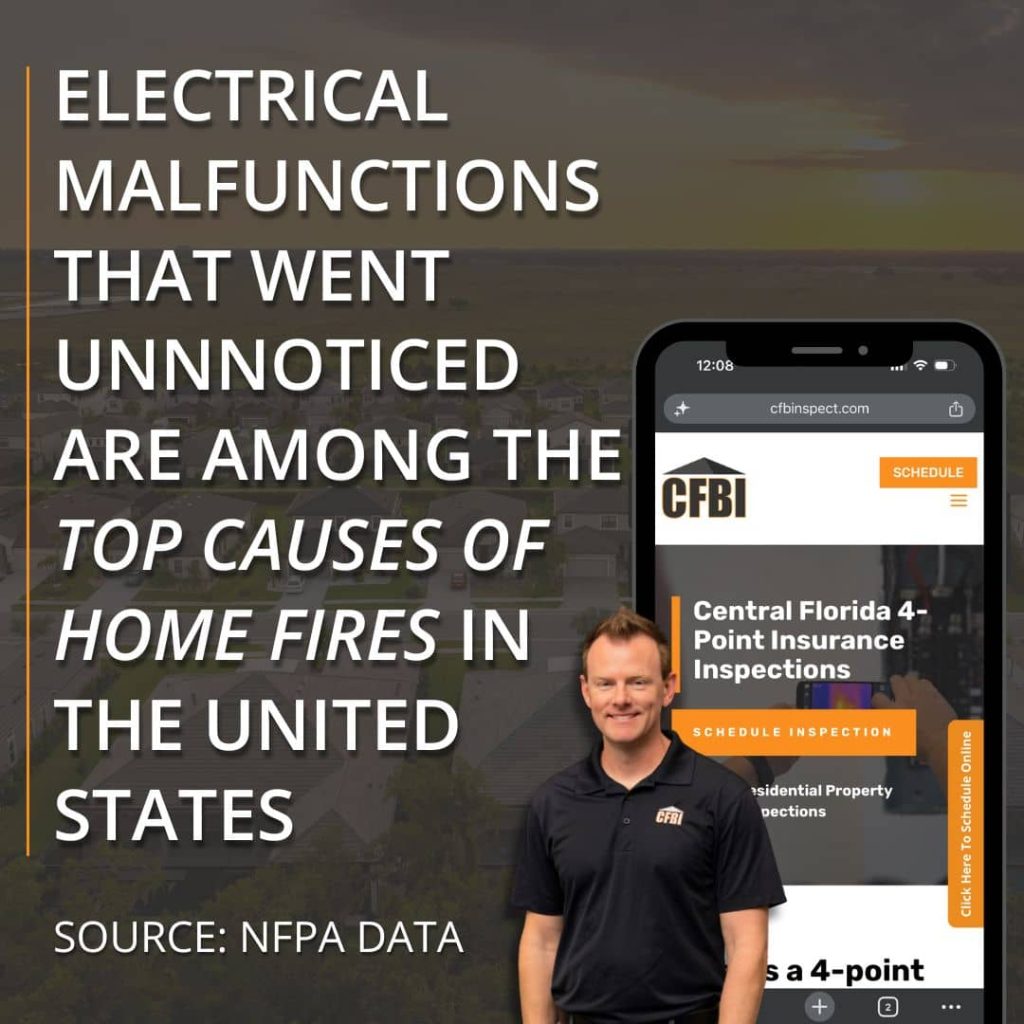
Electrical findings matter to insurers because electrical failures are a leading cause of residential fires. The National Fire Protection Association (NFPA) consistently identifies electrical malfunctions among the top causes of home fires in the United States, which is why the electrical section of a 4-point inspection gets close attention.
Problem Panel Brands
Certain electrical panel brands have documented safety defects and are flagged by most Florida carriers. The most common are:
- Federal Pacific Electric (FPE) panels: Known to fail to trip during an overload, which creates a fire risk. Most standard carriers will not write a policy until the panel is replaced.
- Zinsco panels: Similar issue to FPE: breakers can fail to trip or weld themselves in place. Also, an automatic flag with most insurers.
- Challenger and Sylvania panels: Flagged by some carriers, though not as universally as FPE and Zinsco.
- Fuse boxes: Common in homes built before the 1960s. Most insurers require a breaker panel before they will write a policy.
With these panel types, replacement is the only fix. An electrician cannot simply repair an FPE or Zinsco: the entire panel needs to be replaced.
Outdated Wiring Types
Two wiring types generate the most concern on 4-point inspections in Florida:
- Knob-and-tube wiring is found in homes built before the 1940s. It is ungrounded and was not designed to handle modern electrical loads. Most insurers will not write a policy on a home with active knob-and-tube wiring. Some will accept coverage if the wiring has been fully deactivated and replaced, but the inspector needs to clearly document that.
- Aluminum branch wiring, common in homes built during the 1960s and 1970s, expands and contracts at a different rate than the devices it connects to. Over time, that creates loose connections, which can overheat. Insurers typically flag aluminum branch wiring or require an electrician to install CO/ALR-rated devices at every outlet and switch before coverage is issued.
- Double-Tapped Breakers
- A double-tapped breaker (two wires sharing a single breaker terminal designed for one) is one of the more common findings on older panels. It is often inexpensive to fix, and most carriers will not deny coverage for this issue alone. It does, however, add to the overall picture of the electrical system’s condition and will appear in the report.
Plumbing Findings
Water damage is the most common insurance claim in Florida, which is why inspectors pay close attention to plumbing materials even when there is no visible leak at the time of the inspection.
Polybutylene Pipes
Polybutylene piping is one of the most significant plumbing findings an inspector can document. It was widely used in homes built from the late 1970s through the mid-1990s and was pulled from the market after widespread reports of failures. The material degrades from the inside out, which means it can look intact on the surface and fail suddenly.
Most Florida insurers will not write a policy on a home with polybutylene plumbing. Those that will typically attach a water damage exclusion, which is a significant gap in coverage. If polybutylene shows up on an inspection report, repiping is the standard path to getting standard coverage.
For more on how plumbing materials affect your 4-point inspection for insurance coverage, see our homeowner’s guide.
Galvanized Pipes, Active Leaks, and Water Heater Age
Galvanized steel pipes, common before copper became standard, corrode from the inside over time. Inspectors look for rust staining at joints, discoloration, and reduced water pressure as signs of deterioration. The pipes themselves may still be holding, but their remaining useful life is a concern for insurers.
Active leaks (even minor ones visible under a sink or at the water heater connections) are documented on the report. An insurer that sees an existing leak may require repair and a re-inspection before writing the policy.
Water heater age is also noted. A water heater over 15 to 18 years old will often raise premiums or be flagged as a condition of coverage, particularly if there is corrosion or sediment buildup visible at the connections.
HVAC Findings
Florida HVAC systems run harder than those in almost any other state. Year-round use accelerates wear, and most residential systems have a useful life of 15 to 20 years. When a system approaches or passes that range, it shows up as a finding on the inspection report.
Inspectors document the age and condition of both the air handler and the condenser unit. An aging but operational system typically results in a higher premium rather than a coverage denial. Signs of deferred maintenance (dirty coils, refrigerant leaks, rusted components, or poor airflow) add to the concern.
A system that is clearly non-functional or has been disconnected can lead to coverage being denied or conditioned on repair.
The HVAC finding most homeowners underestimate is how much a worn system signals the overall maintenance history of a property. Insurers read a neglected HVAC as a sign that other systems may have been treated the same way.
What Findings Mean for Your Insurance Coverage
Not every finding on a 4-point inspection has the same consequence. There are two categories worth understanding before you walk into the process.
- Findings that typically block coverage until the issue is corrected include: Federal Pacific or Zinsco panels, knob-and-tube or aluminum branch wiring, polybutylene plumbing, a roof the inspector documents as having fewer than 3 years of remaining life, and active documented leaks.
- Findings that typically raise your premium rather than blocking coverage include: an aging but functional HVAC, a roof with 5 to 8 years of life remaining, galvanized pipes without active leaks, a water heater in the 15 to 18 year range, and a double-tapped breaker without other electrical concerns.
Knowing which category your home falls into before you apply for coverage gives you time to negotiate, repair, or find the right carrier.
You can also request a wind mitigation inspection at the same time: unlike the 4 point, a favorable wind mitigation report can actually lower your premium.
Related Questions to Explore
Can you fail a 4-point inspection in Florida? A 4-point inspection does not produce a simple pass or fail result. The inspector documents the condition of four systems, and the insurer decides what to do with that information.
Findings involving certain panel brands, wiring types, or plumbing materials often result in coverage being denied until repairs are made. Other findings raise your premium without blocking coverage. The distinction depends on the severity of the finding and the insurer’s underwriting guidelines.
The inspector photographs each system, and the findings are submitted on a standardized form: either the Citizens form or a carrier-specific version. See the service page for more on what the report includes.
Is a 4-point inspection the same as a home inspection? No. A full home inspection covers 300 to 500 items across every accessible component of the property. A 4-point inspection covers only the four systems relevant to insurance underwriting. If you are buying an older Florida home, you need both. The 4-point tells your insurer whether they will write the policy. The full inspection tells you the condition of the property.
How do I prepare for a 4-point inspection? Address known issues before scheduling. Have a licensed roofer assess any roof over 15 years old. Confirm your electrical panel brand and have a licensed electrician evaluate it if you are not sure.
Fix visible plumbing leaks and check your water heater’s age from the manufacturer’s data plate. Schedule an HVAC tune-up so the system can be documented as operational. Proactive repairs result in a cleaner report and more carrier options.
When to Call a Professional
If you are buying or currently own a home in Central Florida that is 20 years old or older, a 4-point inspection should be scheduled before your insurance application or renewal deadline, not after. Waiting until the insurer requests it leaves no time to address findings that come up.
CFBI has completed 4-point inspections across the greater Orlando area since 1988. Our state-licensed inspectors know the exact format each carrier requires, including the Citizens form and State Farm’s separate documentation standards. If you are unsure which form your insurer needs, get in touch before scheduling, and we can confirm.
If a previous inspection flagged a system, get the repair completed by a licensed contractor first. Once the work is done, schedule a re-inspection so the updated report is ready to submit.
Conclusion
The most common 4-point inspection findings in Florida involve roofs with limited remaining life, electrical panels with documented safety defects, plumbing materials that insurers consider high-risk, and HVAC systems approaching the end of their useful life. Most of these findings are fixable: the key is knowing about them early enough to act.
Key takeaways:
- The roof generates more findings than any other system on Florida 4-point inspections
- Panel brand matters as much as wiring type: Federal Pacific and Zinsco are red flags
- Polybutylene plumbing almost always blocks standard coverage until the home is repiped
Ready to schedule your inspection? Trust Central Florida Building Inspectors for a fast, accurate report your insurer will accept.