Termites cause more than $5 billion in property damage across the United States every year. And here in Central Florida, our warm, humid climate makes us one of the most termite-active regions in the country. These pests work silently behind walls, under floors, and inside wood structures, often causing significant damage before homeowners notice anything wrong.
The good news is that termites leave clues. Knowing what signs to look for helps you catch an infestation early, before repair costs spiral out of control.
Whether you’re a longtime local homeowner or buying your first place in Central Florida, understanding termite warning signs protects your biggest investment.
Are Central Florida Homes at High Risk?
Termites thrive in warm, moist environments, which makes Central Florida ideal termite territory. Our subtropical climate, frequent afternoon rain showers, and high humidity create perfect conditions for colonies to flourish year-round.
Factors that increase termite risk in our area:
Climate: Warm temperatures allow termites to remain active all 12 months
Soil conditions: Sandy Florida soil is easy for subterranean termites to tunnel through
Moisture: Humidity and rain create the damp wood that termites prefer
Mature landscaping: Established trees and mulch beds near homes provide food sources and pathways
Homes throughout the Central FL region face consistent termite pressure, making regular vigilance essential.
Common Signs of Termites in Your Home
Termites are secretive by nature. They avoid light and open air, which means you’re unlikely to see the insects themselves until an infestation is well established. Instead, look for these telltale signs.
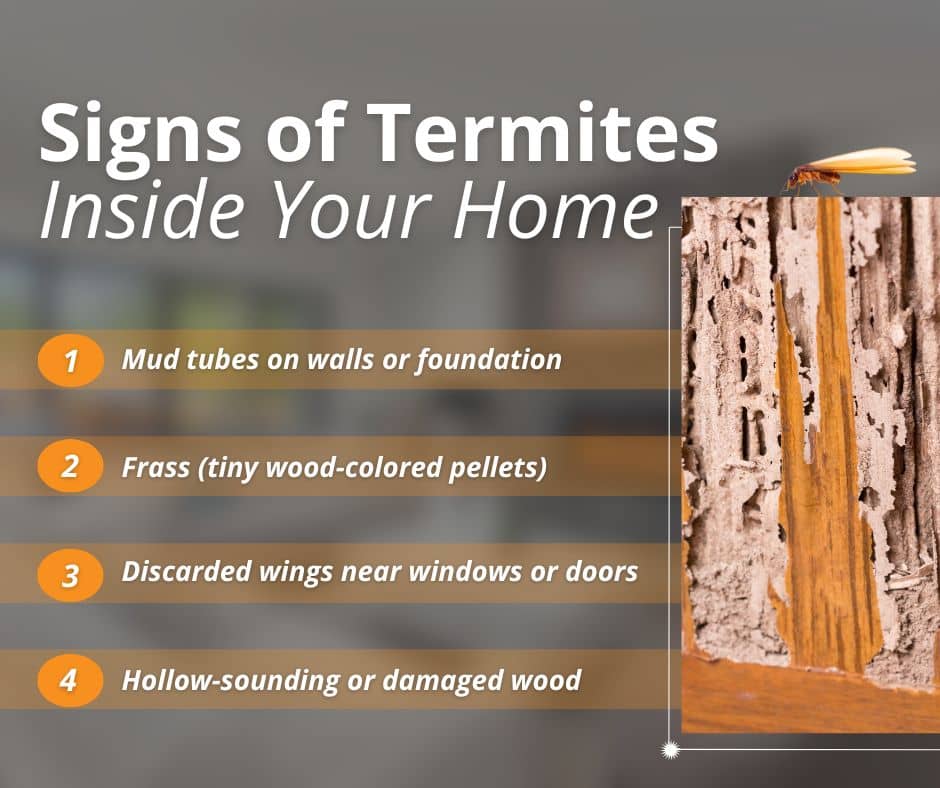
Mud Tubes on Walls or Foundation
Subterranean termites, the most common and destructive type in Florida, build pencil-sized mud tubes to travel between their underground colonies and food sources. These tubes protect them from predators and dry air.
Check your foundation walls, crawl spaces, and areas where concrete meets wood. Mud tubes may appear on interior or exterior walls, often in corners or along pipes where they’re less noticeable.
Discarded Wings Near Windows and Doors
Termite swarmers, the reproductive members of a colony, emerge to mate and start new colonies. After landing, they shed their wings. If you or your inspector find small piles of translucent wings near windowsills, door frames, or light fixtures, that indicates termites are nearby.
In Central Florida, swarm season typically peaks in spring, though our warm climate can trigger swarms almost any time of year.
Hollow-Sounding or Damaged Wood
Termites eat wood from the inside out, leaving a thin outer shell intact. Tap on wooden baseboards, door frames, and window sills. If they sound hollow or papery rather than solid, termites may have been feeding inside.
Drywood termites, also common in Florida, push their droppings out of small holes near their nests. These droppings, called frass, look like tiny wood-colored pellets or sawdust piles.
Finding frass near wooden furniture, door frames, or window areas indicates drywood termite activity. Unlike subterranean termites that stay connected to soil, drywood termites live entirely within the wood they consume.
Stuck Doors and Windows
As termites consume wood around door and window frames, the structural changes can cause frames to warp. If doors or windows that previously operated smoothly now stick or won’t close properly, termites could be the culprit.
Of course, Florida’s humidity also causes wood to swell seasonally. But if sticking is combined with other warning signs, termite damage becomes more likely.
Subterranean vs. Drywood Termites in Florida
Central Florida homeowners need to watch for two main termite types. Understanding their differences helps you recognize signs specific to each.
Characteristic
Subterranean Termites
Drywood Termites
Colony location
Underground, in soil
Inside wood, no soil contact needed
Entry point
Foundation, ground contact
Can occur anywhere, often in furniture or framing
Telltale sign
Mud tubes
Frass pellets
Damage pattern
Any exposed wood, often on the upper floors
Can occur anywhere, often furniture or framing
Colony size
Large (up to millions)
Smaller (thousands)
Moisture needs
High (requires soil contact)
Lower (extracts moisture from wood)
Both types cause serious damage, but subterranean termites typically work faster due to larger colony sizes. At CFBI, we find that many Central Florida homes face pressure from both species simultaneously.
What to Do If You Spot Signs of Termites
Discovering potential termite evidence is alarming, but quick action limits damage. Here’s what to do.
Don’t disturb the area. Your instinct might be to poke at mud tubes or damaged wood, but disturbing termites can cause them to relocate and continue feeding elsewhere in your home.
Document what you found. Take photos of mud tubes, frass, damaged wood, or discarded wings. Note the location and when you discovered it. This information helps inspectors assess the situation.
Schedule a professional inspection. A qualified WDO (wood-destroying organism) inspector can identify termite species, locate colony activity, and assess damage extent. This inspection goes beyond what’s visible to untrained eyes.
Get multiple treatment quotes. If termites are confirmed, obtain estimates from licensed pest control companies. Treatment options vary based on termite type, infestation severity, and your home’s construction.
Address moisture issues. Termites need moisture to survive. Fixing leaky pipes, improving drainage, and ensuring proper ventilation make your home less hospitable to future infestations.
How Do Professional Termite Inspections Work?
A WDO inspection is a thorough evaluation specifically designed to detect termites and other wood-destroying organisms like carpenter ants, wood-boring beetles, and wood-decay fungi.
Inspectors use specialized tools, including moisture meters, probing devices, and sometimes thermal imaging, to detect hidden activity. We know where termites typically enter Central Florida homes and focus attention on high-risk areas.
After the inspection, you’ll receive a detailed report documenting any evidence of current or previous termite activity, visible damage, and conditions conducive to future infestations.
Preventing Future Termite Problems
Once you’ve addressed an active infestation or confirmed your home is clear, prevention becomes the priority.
Reduce wood-to-soil contact. Keep mulch, firewood, and debris at least 12 inches away from your foundation. Ensure wooden siding, lattice, and door frames don’t directly contact the ground.
Control moisture around your home. Fix leaky faucets, air conditioners, and irrigation systems promptly. Ensure gutters drain away from the foundation and that crawl spaces are properly ventilated.
Seal entry points. Caulk cracks in your foundation and gaps around utility penetrations. While termites can breach most barriers eventually, eliminating easy entry points helps.
Schedule regular inspections. Annual WDO inspections catch new activity before it becomes a major problem. In Central Florida’s high-risk environment, this preventive step is well worth the investment.
Consider ongoing treatment plans. Many pest control companies offer monitoring and baiting systems that provide continuous protection. These can be especially valuable for homes with a previous termite history.
Other Related Questions for Florida Homes
What’s the difference between a WDO inspection and a full home inspection? A WDO inspection focuses specifically on wood-destroying organisms like termites, carpenter ants, and wood-decay fungi. A comprehensive home inspection evaluates all major systems, including roofing, electrical, plumbing, HVAC, and structural components. Many buyers schedule both to get a complete picture of a property’s condition.
How does moisture affect a home’s structure beyond attracting termites? Excess moisture leads to mold growth, wood rot, foundation issues, and poor indoor air quality. Florida’s humidity makes proper ventilation, drainage, and waterproofing essential. Addressing moisture problems protects against multiple threats, not just termites.
Should I get an inspection before buying a home in Florida? Absolutely. A pre-purchase home inspection reveals issues that aren’t visible during a typical walkthrough, from roof damage and electrical problems to plumbing leaks and foundation concerns. Knowing what you’re buying helps you negotiate repairs or budget for future maintenance.
When to Call a Professional
Schedule a WDO inspection with CFBI if you notice:
Mud tubes on your foundation or walls
Piles of discarded wings indoors
Frass pellets near wood surfaces
Hollow-sounding wood or visible damage
Doors and windows that suddenly stick
Any signs during the spring swarm season
Even without visible signs, annual inspections make sense for Central Florida homeowners. Termites work invisibly, and catching activity early saves thousands in repair costs.
Conclusion
Termites are a fact of life in Central Florida, but serious damage doesn’t have to be. Knowing what signs to watch for puts you ahead of most homeowners who don’t discover infestations until significant harm is already done.
If you’ve spotted mud tubes, frass, damaged wood, or swarmer wings, don’t wait to take action. Early detection protects your home’s structure and your wallet.
Short-sales often catch a buyer’s attention because of price. When a listing appears below market value, it is natural to wonder whether it could be a smart opportunity. But these deals come with risks that many buyers do not fully understand until the process is already underway. So what are the risks of buying a short-sale home?
The biggest risks are usually not obvious during a showing. They involve the condition of the property, limited seller responsibility, financing and insurance hurdles, and uncertainty around repairs. In Central Florida, climate and insurance requirements can add even more complexity.
This guide explains the most common risks associated with short-sale homes, what buyers should be cautious about, and why professional inspections are especially important before moving forward.
What a Short-Sale Really Means for Buyers
A short-sale occurs when a homeowner sells their property for less than the remaining mortgage balance, and the lender agrees to accept the lower amount. Because the lender must approve the sale, short sales typically involve longer timelines and stricter terms.
For buyers, this often means:
Extended waiting periods for approval
Limited communication with the seller
Reduced flexibility during negotiations
Properties sold strictly as-is
In many cases, the seller is already under financial stress. As a result, routine maintenance and repairs are often delayed or ignored, which directly affects the condition of the home.
Deferred Maintenance Is One of the Most Common Risks
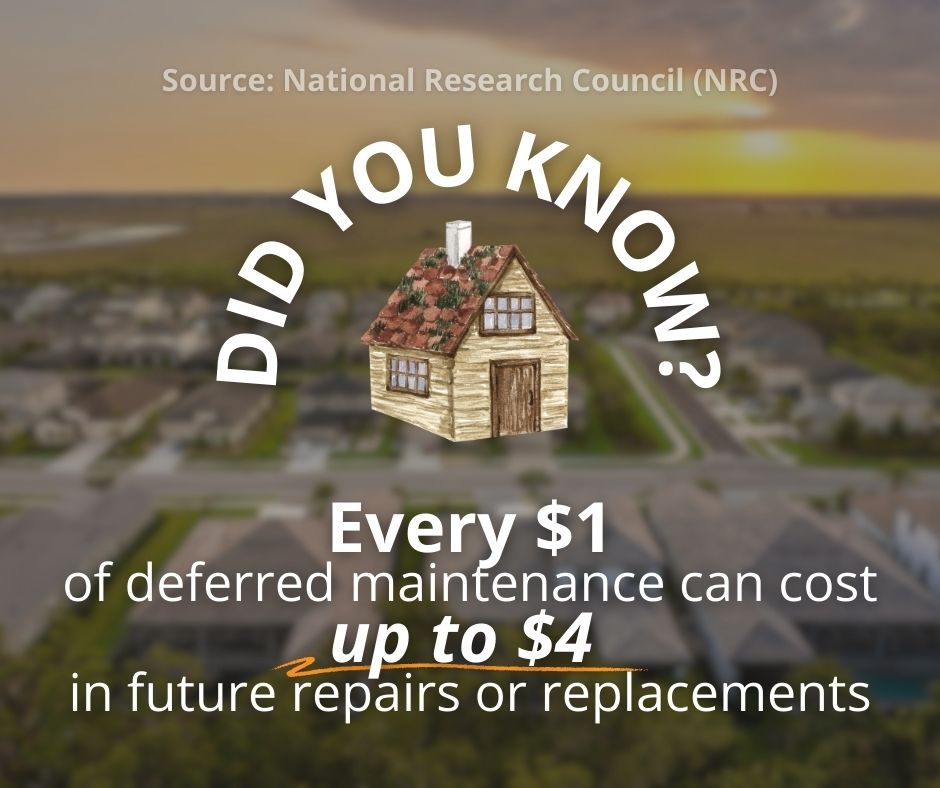
Deferred maintenance is one of the biggest risks buyers face with short-sale homes. When homeowners struggle financially, repairs are often postponed for months or even years.
Deferred maintenance may include:
Roof leaks that were never repaired
Plumbing issues that worsened over time
HVAC systems that went without service
Electrical concerns that were ignored
Water damage that spread unnoticed
These problems may not be immediately visible during a walkthrough. Paint, flooring, or staging can hide underlying issues. A professional inspection helps uncover the true condition of the home beneath the surface.
Short-Sale Homes Are Commonly Sold As-Is
Most short-sale properties are sold as-is, meaning the seller and lender are unlikely to make repairs or offer credits after the inspection.
Safety or system issues may still be present at closing
Understanding what repairs may be needed before purchase is critical when buyers cannot rely on the seller to address issues.
Limited Access and Occupancy Issues
Short-sale homes may be vacant, partially occupied, or inconsistently maintained. In some cases, sellers no longer live in the home or have limited involvement in the process.
Limited access increases risk because buyers may only get one opportunity to fully evaluate the home. A thorough inspection during that window becomes even more important.
Utility Shutoffs Create Hidden Inspection Risks
In short-sale situations, utilities may be shut off due to nonpayment. This limits what can be evaluated during an inspection and increases uncertainty.
Without utilities, inspectors may not be able to fully assess:
Moisture problems can affect structural components, indoor air quality, and long-term livability. Inspections help identify visible signs of moisture intrusion and conditions that increase mold risk.
Unknown Repair History and Unpermitted Work
Short-sale homes often come with limited documentation. Sellers may not provide records of past repairs, upgrades, or improvements.
A professional inspection helps identify visible workmanship concerns and red flags that suggest deeper problems.
Financing and Insurance Complications Are a Major Risk
One of the most overlooked risks of buying a short-sale home involves financing and insurance approval. Even if a buyer is willing to handle repairs, lenders and insurance providers may still see the property as higher risk.
In Florida, insurance companies often require additional inspections before issuing a policy. These inspections help insurers evaluate risk, but they do not guarantee approval.
Just as important, insurance carriers do not all review inspection results the same way. One insurer may accept a home with certain conditions, while another may require repairs, higher premiums, or decline coverage entirely. This variability adds another layer of uncertainty for buyers.
Why 4-Point Inspections Matter
A 4-point inspection focuses on four major systems: roof, electrical, plumbing, and HVAC. Insurance companies commonly request this inspection for older homes or properties with higher perceived risk.
Short-sale homes are more likely to raise concerns in these areas due to deferred maintenance, aging systems, or incomplete repairs. A 4-point inspection helps document current system conditions, but insurers ultimately decide how they interpret those findings.
In some cases, the inspection may trigger repair requests. In others, it may simply affect premium pricing or coverage terms.
How Wind Mitigation Inspections Fit In
Wind mitigation inspections evaluate features that may reduce wind damage, such as roof shape, attachment methods, and protective construction details. These inspections can influence insurance eligibility and premium discounts.
For short-sale homes, missing or outdated wind-resistant features may limit available coverage options or increase costs. Even when wind mitigation features are present, insurers may apply different standards when reviewing the same report.
Understanding this variability early helps buyers plan realistically and avoid surprises late in the process.
By identifying insurance-related concerns early and understanding that insurers evaluate risk differently, buyers can better determine whether a short sale is financially viable before moving forward.
Common Short Sale Risks and Buyer Impact
Risk Area
Why It Matters
Deferred maintenance
Higher repair costs
As-is sale terms
Limited negotiation
Utility shutoffs
Hidden system issues
Moisture damage
Long-term structural risk
Insurance requirements
Coverage delays or denials
This overview helps buyers see how short sale risks often overlap and compound.
Why Short Sale Inspections Require Extra Attention
Inspecting a short-sale home requires a careful, detail-focused approach. Inspectors must look for signs of long-term neglect and conditions that affect safety, insurability, and livability.
Highlighting conditions that may affect insurance or financing
This approach helps buyers decide whether a short sale aligns with their budget, risk tolerance, and long-term plans.
Related FAQs to Explore
How do I know if a home has been poorly maintained over time? Patterns such as recurring water damage, aging systems, or inconsistent repairs often point to long-term maintenance issues. A professional inspection helps identify whether problems are isolated or part of a larger pattern.
How do inspection findings affect long-term ownership costs? Inspection results help buyers anticipate future repairs, maintenance needs, and potential upgrades, which directly impact budgeting after closing.
What should buyers understand about homes sold as-is? As-is terms shift responsibility to the buyer. Inspections become the primary way to understand property condition before committing to repairs and ongoing upkeep.
How does Florida’s climate impact home conditions over time? Heat, humidity, and storms increase wear on roofs, HVAC systems, and building materials. Homes that were not consistently maintained are more likely to show moisture-related issues.
When to Book With a Home Inspector
Buying a short-sale home increases uncertainty, which makes inspection timing and quality even more important.
A professional inspection helps buyers understand true property condition, insurance considerations, and potential repair costs before committing to the purchase.
Conclusion
Short-sale homes can offer opportunities, but they also come with real risks. Deferred maintenance, as-is terms, limited access, moisture concerns, and insurance complications are common issues buyers must be prepared for, especially in Central Florida.
Understanding these risks early helps buyers avoid costly surprises and make informed decisions. A professional home inspection provides the clarity needed to decide whether a short sale is a smart investment or a financial burden waiting to happen. Book yours with CFBI today.
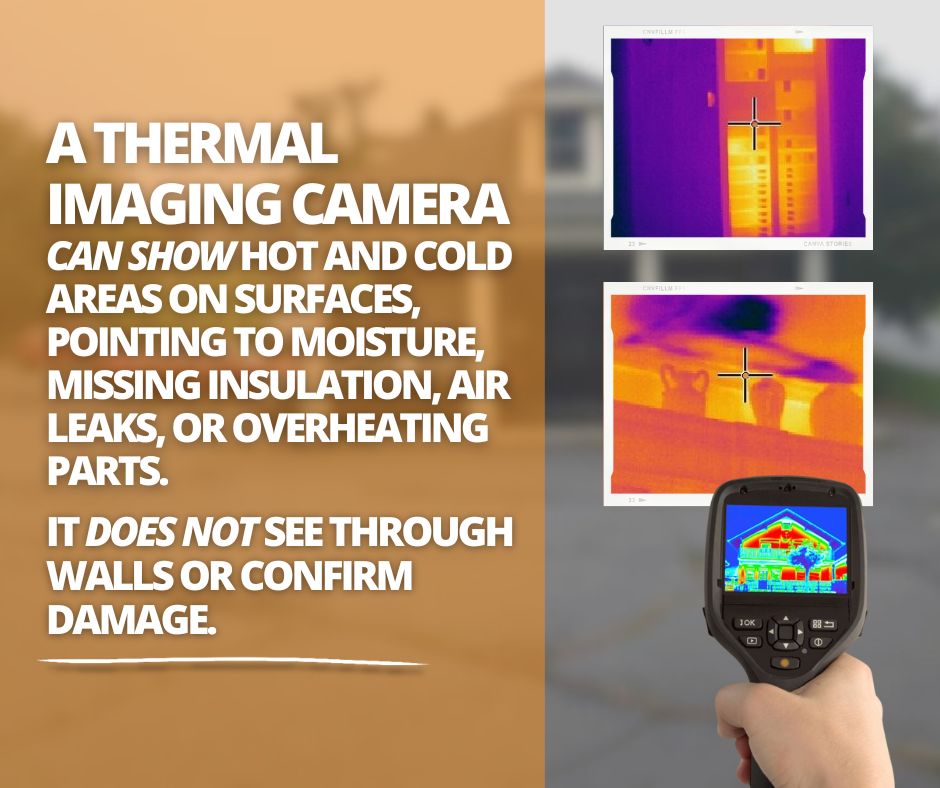
Not every home issue leaves a visible mark. Moisture can spread behind walls, insulation can be missing in key areas, and electrical components can overheat long before damage shows on the surface. A thermal imaging camera helps inspectors detect these hidden conditions by identifying temperature differences that would otherwise go unnoticed.
In Central Florida, where heat, humidity, and heavy rain are part of everyday life, thermal imaging can add meaningful insight to a home inspection.
When used correctly, it helps inspectors spot patterns that may point to moisture intrusion, insulation gaps, air leakage, or electrical concerns.
This article explains what a thermal imaging camera can reveal during a home inspection, how inspectors interpret what they see, and what buyers, sellers, and homeowners should realistically expect from this technology.
What Thermal Imaging Actually Shows During an Inspection
A thermal imaging camera does not see through walls or materials. Instead, it detects differences in surface temperature and displays them visually. These temperature variations can indicate that something behind the surface is behaving differently than expected.
During an inspection, the camera highlights warmer and cooler areas across walls, ceilings, floors, and system components. These patterns help inspectors identify areas that deserve closer attention.
Thermal imaging is best understood as a tool for pattern recognition, not diagnosis. It helps answer the question, “Does this area behave differently than it should?” From there, inspectors use experience, context, and visual confirmation to determine whether the pattern is significant.
Why Thermal Imaging Is Especially Valuable in Central Florida Homes
Central Florida homes face conditions that make hidden issues more likely to develop.
High humidity increases the risk of moisture intrusion and condensation inside walls and ceilings. Frequent rain events can allow water to enter through small openings around roofs, windows, or exterior walls without leaving immediate stains.
Warm temperatures can also mask moisture problems until damage progresses.
Thermal imaging helps inspectors identify temperature patterns that may suggest moisture presence, insulation gaps, or air leakage before visible damage appears. In a climate where moisture-related problems are common, this additional layer of insight can be especially valuable.
Moisture Patterns Thermal Imaging Can Help Identify
One of the most common uses of thermal imaging during inspections is identifying areas that may be affected by moisture.
Moisture changes the temperature of building materials. Wet areas often appear cooler than surrounding surfaces due to evaporation. These cooler patterns can help inspectors locate areas where water intrusion may be occurring.
Thermal imaging may highlight moisture-related concerns near:
Windows and doors
Roof penetrations and ceiling areas
Plumbing fixtures and supply lines
Exterior walls exposed to wind-driven rain
In Florida, early moisture detection matters. Prolonged moisture exposure can contribute to mold growth, material deterioration, and indoor air quality concerns.
While thermal imaging does not confirm the source of moisture, it helps inspectors identify where further evaluation may be needed.
Insulation and Energy Performance Clues
Thermal imaging can also reveal how well a home’s insulation is performing.
Missing, compressed, or uneven insulation often creates temperature inconsistencies that show up clearly on a thermal image. During an inspection, these patterns may indicate areas where heat is entering or escaping more easily than expected.
Common insulation-related findings include uneven attic coverage, wall sections with reduced insulation, or areas where insulation has shifted over time. In Central Florida, poor insulation performance can increase cooling costs and make it harder to control indoor humidity.
Thermal imaging does not measure insulation levels directly, but it helps identify areas where insulation may not be doing its job effectively.
Air Leakage and Comfort Issues
Air leakage is another issue thermal imaging can help reveal.
When conditioned air escapes or outside air enters the home, temperature differences often appear around windows, doors, attic access points, and wall penetrations. These patterns can help explain comfort complaints, uneven room temperatures, or higher energy bills.
In hot, humid climates like Central Florida, air leakage can also affect moisture control. Warm, humid air entering the home places additional strain on cooling systems and can contribute to condensation problems.
Thermal imaging helps inspectors visualize these patterns so homeowners can better understand where improvements may be beneficial.
Electrical Concerns That May Show Up on Thermal Imaging
Thermal imaging can assist inspectors in identifying potential electrical safety concerns.
Overheating electrical components often appear as localized hot spots on a thermal image. These temperature differences may suggest loose connections, overloaded circuits, or failing components.
Inspectors commonly use thermal imaging to scan areas such as electrical panels, breakers, and major connections. When abnormal heat patterns are observed, inspectors document the finding and recommend further evaluation by a licensed electrician.
Thermal imaging does not diagnose electrical problems, but it can help flag conditions that should not be ignored.
What Thermal Imaging Can and Cannot Tell You
Thermal imaging is a powerful inspection tool, but it has clear limitations.
It can help identify:
Temperature differences that suggest moisture presence
Understanding these limits helps set realistic expectations and prevents overreliance on the technology.
How Inspectors Interpret Thermal Images
Thermal images are not evaluated in isolation. Inspectors interpret them in context.
Factors such as weather conditions, recent system use, building materials, and visible conditions all influence how thermal patterns are read. A cooler area on a wall, for example, may indicate moisture, missing insulation, or air movement. The inspector’s role is to evaluate which explanation is most likely based on the full inspection.
When a thermal anomaly is identified, inspectors document the finding and explain what it may indicate. They also explain what additional steps may be appropriate to confirm the issue.
What Thermal Imaging Findings Mean for Buyers and Sellers
For buyers, thermal imaging can provide additional insight into potential hidden issues before purchasing a home. Findings may support requests for further evaluation, repairs, or credits during negotiations.
For sellers, thermal imaging can help identify concerns before listing. Addressing moisture intrusion, insulation gaps, or electrical issues ahead of time can reduce surprises during the inspection process and help transactions move more smoothly.
Related Questions Homeowners Ask
Does thermal imaging always find hidden water damage? No. Thermal imaging helps identify temperature patterns that may suggest moisture, but it cannot confirm the source or extent of water damage on its own. If a suspicious pattern is found, further evaluation is usually needed to confirm what is causing it.
Can a thermal imaging camera see mold inside walls? Thermal imaging cannot see mold directly. It may highlight temperature differences caused by moisture conditions that can support mold growth, which helps inspectors identify areas that may need closer attention.
Does every home inspection include thermal imaging? Not always. Thermal imaging is an added inspection tool and may be offered as part of enhanced inspection services. Homeowners should confirm whether thermal imaging is included or available as an option.
When to Call a Professional
Thermal imaging helps identify unusual temperature patterns, but it does not provide final answers on its own.
A home inspection with thermal imaging added on is the right step when you want an overall evaluation of the home and professional insight into what thermal patterns may indicate. Inspectors use thermal imaging to document areas that behave differently than expected and explain whether those findings suggest moisture, insulation gaps, air leakage, or electrical concerns that may need closer attention.
If inspection findings or ongoing conditions raise concerns about mold, a mold professional should be consulted next. Mold specialists can perform targeted testing to determine whether mold is present and assess the extent of any contamination. This type of testing goes beyond the scope of a standard home inspection.
Central Florida Building Inspectors uses thermal imaging to help guide informed decisions, and Elite Mold Services provides specialized mold evaluation when confirmation is needed.
Conclusion
A thermal imaging camera can reveal important clues about a home that are not visible during a standard walk-through. In Central Florida, where moisture, heat, and humidity create unique challenges, this technology can add valuable insight during a home inspection.
When used responsibly, thermal imaging helps inspectors identify areas that deserve closer attention while setting clear expectations about what the technology can and cannot do.
Combined with a professional home inspection, it provides homeowners with a clearer understanding of a home’s condition and potential risks.
Radon is an invisible, odorless gas that can enter a home without any obvious warning. Many Central Florida homeowners do not realize the signs are there until a radon test reveals its presence.
While radon is more common in certain parts of the country, pockets of elevated levels exist throughout Florida. This means every home has the potential for radon exposure, no matter its age, style, or location.
Because radon cannot be seen, smelled, or tasted, the signs are not always clear. Still, there are patterns and conditions that increase risk. This guide explains the most common signs that your home may have elevated radon levels, what homeowners should watch for, and when it is time to schedule radon testing.
Why Radon Testing Matters in Central Florida
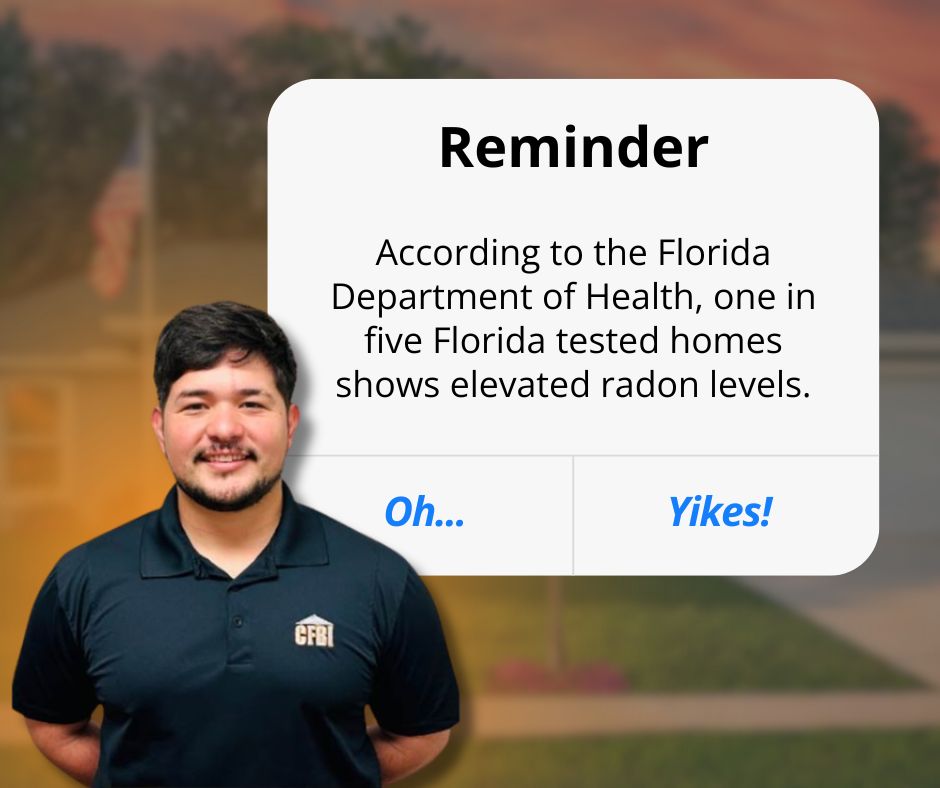
Many homeowners assume Florida is not a radon-prone state, but this is not true. According to the Florida Department of Health, one in five Florida homes tested shows elevated radon levels. This includes homes with slab foundations, crawlspaces, and even newer construction.
Central Florida’s soil and geology allow radon to collect under homes, especially in areas with:
Sandy soil
Deep foundations
Poor ventilation under the slab
Cracks or gaps around plumbing or utilities
High humidity keeps air movement low
Because radon has no smell or taste, the only way to confirm levels is through testing. Recognizing the conditions that increase risk helps homeowners decide when to act.
The Most Common Signs of Radon Exposure in a Home
Radon itself does not create visible stains or odors. Instead, signs appear through a combination of building conditions, indoor air quality complaints, and the home’s foundation or soil contact.
Here are the most important indicators to watch for.
1. Air That Feels Stale or Heavy in Lower Levels
Radon collects in the lowest part of a home because it enters through the soil. In Central Florida, many homes built on slabs still have areas where air becomes stagnant.
can indicate poor air circulation, which increases the chance that radon is accumulating.
Radon rises naturally, but homes with closed-up windows, long cooling seasons, and limited airflow can trap more of it inside.
2. Cracks in the Foundation or Slab
Cracks in concrete slabs or block walls create easy pathways for soil gases. These cracks do not cause radon, but they make it easier for radon to enter.
Common entry points include:
Hairline cracks across the slab
Cracks in block walls
Gaps around pipes
Openings around sump wells or utility penetrations
Florida’s soil shifts during rainy and dry seasons. As the ground expands and contracts, new cracks can form, giving radon more pathways inside.
3. High Humidity Levels That Make the Home Feel Damp
Radon enters from the soil, and Florida’s climate keeps moisture levels high. When a home feels damp for long periods, it often means the air is not moving well. Poor circulation allows radon to collect in the lowest parts of the home.
High humidity does not prove radon is present, but it often appears in homes with elevated levels because of:
Long cooling seasons
Reduced ventilation
Slab contact with moist soil
Indoor air that stays trapped for long periods
The EPA notes that radon levels can rise in homes that are sealed tightly or cooled for long periods without fresh airflow.
4. Lingering Odors or Stuffy Rooms
While radon itself has no smell, rooms with poor airflow often develop odors that linger. If certain rooms always feel stuffy or take a long time to air out, it may indicate that the air is not moving well enough to prevent radon from building up.
Stuffy rooms do not confirm radon, but they signal airflow problems that increase risk.
5. Soil Contact Around the Home That Looks Damp All Year
Damp or wet soil around the exterior of a home can increase the chance that radon collects below the slab. Central Florida’s rainy seasons, sprinkler systems, and high groundwater all contribute to saturated soil.
Wet soil does not cause radon, but it allows gases to stay trapped close to the foundation, making it easier for radon to seep inside.
6. Long Periods With Windows Closed
Florida’s heat, storms, and humidity mean many homeowners keep windows closed almost all year. When indoor air does not circulate, radon has fewer ways to escape.
Energy-efficient homes are great for comfort and cooling costs, but they often allow radon levels to rise more easily without regular testing.
At a Glance: Conditions That Increase Radon Risk
Condition
Why It Matters
What Homeowners Notice
Foundation cracks
Creates radon entry points
Small gaps, hairline cracks
High humidity
Reduces airflow
Rooms feel damp or sticky
Poor ventilation
Traps radon indoors
Stuffy or still air
Long cooling seasons
Home stays sealed
Hard to introduce fresh air
Damp soil around the home
Holds gases near the slab
Moist areas or pooling water
Why Is Radon a Health Concern?
Radon is the second leading cause of lung cancer in the United States, according to the EPA.
Long-term exposure increases risk because radon particles can be inhaled into the lungs.
Children may be more sensitive to radon because their breathing rates are higher relative to their body size.
The health effects of radon come from long-term exposure, not short-term contact. This is why regular testing is important, especially during the times of year when windows stay closed, and air is less likely to move freely.
How Do Radon Levels Change Throughout the Year?
Radon levels can rise or fall depending on several seasonal factors. Many Central Florida homes experience changes due to:
Rainy seasons and storm moisture
High water tables
Temperature swings
HVAC usage patterns
Soil pressure changes
The EPA also notes that radon levels often spike during cooler months when homes stay closed. In Central Florida, similar increases can happen during hot summer months when air conditioners run all day.
How Does Radon Enter a Home?
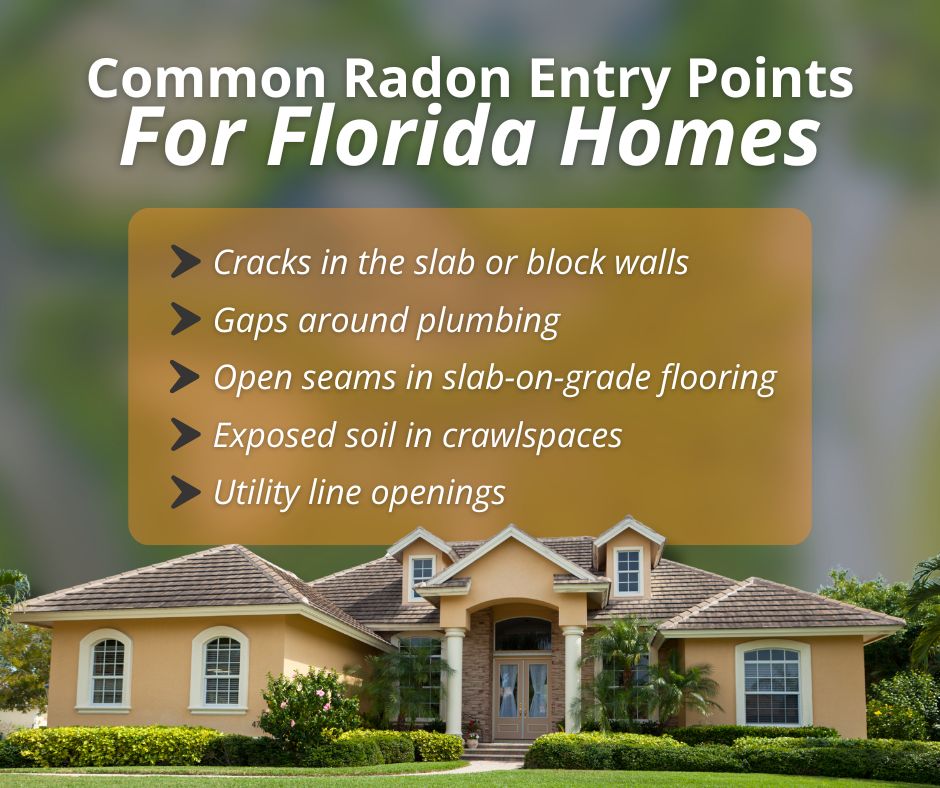
Radon moves from the soil into homes through the path of least resistance. Common entry points include:
Foundation cracks
Open block walls
Gaps around plumbing or electrical
Sump pump openings
Crawlspaces or low-lying areas
Once inside, radon becomes trapped without proper ventilation. Because radon is a gas, it can move through even very small gaps.
What Homeowners Should Do if These Signs Are Present
If you notice any conditions on this list, the next step is simple: schedule a radon test. Testing is the only way to confirm the presence or level of radon inside a home.
Homeowners should consider testing when:
Buying or selling a home
Moving into a home built on a slab
Renovating or opening sealed areas
Living in a home with little airflow
Noticing persistent humidity or moisture issues
It has been more than two years since the last test
Radon testing is fast, affordable, and one of the most helpful steps homeowners can take to ensure a safe indoor environment.
Other Related Questions
Do Florida homes with slabs still need radon testing? Yes. Even homes without basements can have elevated radon levels because the gas moves directly through the soil and slab.
Can radon get into newer energy-efficient homes? Yes. Tighter construction often traps indoor air for longer periods, which can allow radon to accumulate more easily.
Is radon only a concern in older homes? No. Radon can affect homes of any age, and newer homes can sometimes experience higher levels due to improved air sealing.
Should I test for radon before buying a home in Central Florida? Many buyers do. Radon testing provides peace of mind and helps you understand the indoor air quality before closing.
When to Call a Professional
Call a qualified inspector when you want accurate testing and clear results. Testing is recommended when:
Buying or selling a home
Noticing poor airflow or humidity issues
Living in a home with slab-on-grade construction
It has been two or more years since the last test
You want to confirm the current indoor air quality
You live in an area known for elevated radon levels
Professionals use accurate testing equipment and provide clear results, so you know whether additional steps are needed to make the home safer.
Conclusion
Radon is a silent indoor air quality concern that can affect any home in Central Florida. While the signs are not always obvious, certain conditions and patterns make elevated radon levels more likely. Recognizing these risk factors and scheduling a radon test can help protect your home and your family.
If you want a clear understanding of radon levels in your home, Central Florida Building Inspectors can help. Book a visit today to get accurate results and take the next step toward a safer indoor environment.
A double-tapped breaker is one of the most common electrical issues found during home inspections in Central Florida. Many homeowners do not know it is there until an inspector removes the panel cover and points it out.
It is a simple wiring mistake, but it can lead to bigger electrical problems if it is not corrected. This guide explains what a double-tapped breaker is, why it appears so often in Florida homes, how inspectors identify it, and what usually comes next once it is included in a report.
What a Double-Tapped Breaker Means
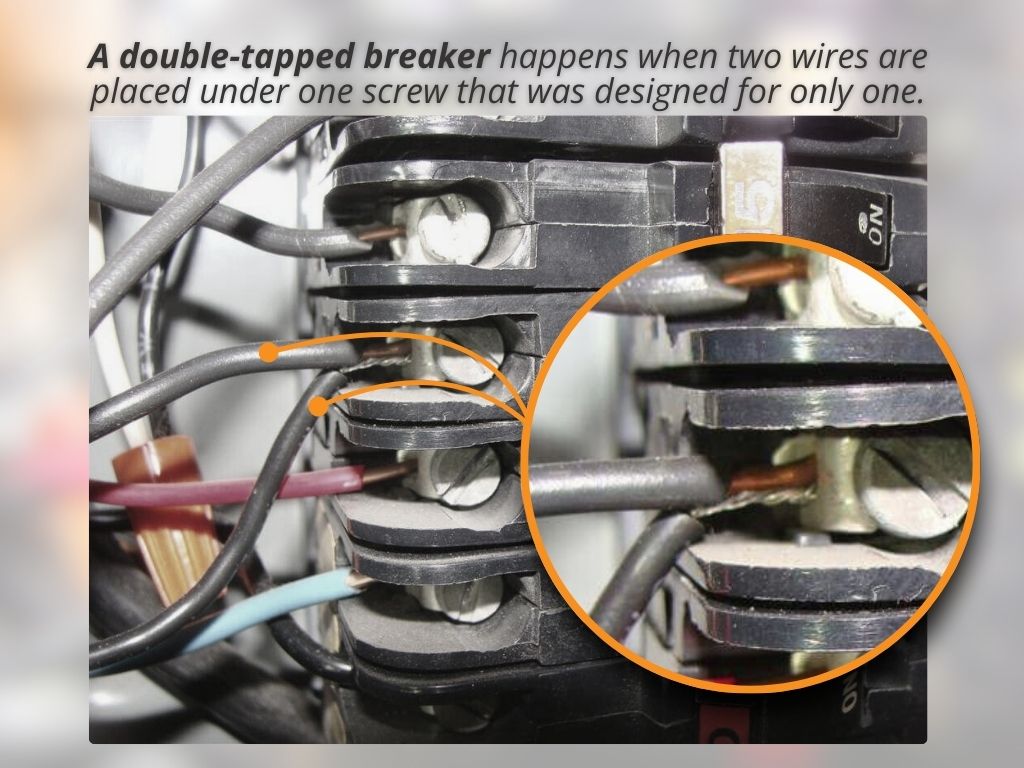
A double-tapped breaker is a breaker with two electrical wires secured under a terminal that was designed to hold only one wire.
Breakers are built to grip a single conductor at a time. The metal plate inside the terminal is shaped to clamp down on one wire so the connection stays steady when the system heats and cools.
When two wires are placed under the same screw, the terminal cannot grip both of them correctly. Even if the screw feels tight, the wires do not sit evenly, and the breaker is not operating the way the manufacturer intended.
The National Electrical Code requires electrical equipment to be used according to its listing, and most breakers are listed for one conductor only.
Double-taps often form when:
Someone adds a new device or outlet and uses a nearby breaker instead of installing a new circuit.
The electrical panel does not have enough open breaker spaces.
Older circuits were altered during repairs or upgrades.
A previous owner tried to make a quick connection without knowing the breaker could only take one wire.
A double-tapped breaker looks simple inside the panel, but it is a clear indicator that the wiring has been modified in a way that the equipment was not designed for.
Why Double-Tapped Breakers Are Common in Florida
Double-tapped breakers appear nationwide, but several characteristics of Florida homes make them especially common during CFBI inspections.
Many Homes Have Aging Panels
Homes built in the 1980s, 1990s, and early 2000s still rely on their original panels. These panels were not built for modern electrical loads.
As families have added more appliances, lighting, and outdoor features, many circuits have been extended or changed. When panels run out of breaker slots, a wire may be added to an existing breaker instead of a new one being installed.
High Electrical Demand Year-Round
Florida homes use air conditioning almost every month. Pool pumps, irrigation systems, water heaters, and chargers for outdoor equipment also create steady demand.
As electrical loads grow over time, circuits sometimes get modified in ways that create double taps.
Frequent HomeAdditions and Upgrades
Outdoor kitchens, new lighting, enclosed patios, and whole-home renovations are common in this region. When electrical changes are made without expanding the panel, double taps can appear.
DIY Work or Unpermitted Modifications
Previous owners may have added outlets, lights, or external features without realizing that a breaker cannot safely hold two wires. These shortcuts are often uncovered during real estate inspections.
Limited Space in Older Panel Designs
Older panels provide fewer slots and fewer expansion options. When homeowners or contractors face a full panel, the temptation to combine wires under one breaker increases.
These patterns explain why double-tapping is one of the most frequently documented electrical findings throughout the Orlando area.
How Inspectors Identify a Double-Tapped Breaker
Double taps are identified during the electrical panel inspection, which is part of a standard home inspection, commercial inspection, or four-point inspection.
Inspectors look for:
Two wires under one terminal screw: This is the clearest sign. Most breakers are listed for one conductor only.
Breaker labeling: Some breakers are approved for two wires, but this is uncommon. These breakers are labeled clearly. Inspectors check the labeling to determine whether the setup is allowed.
Wire size and placement: If the wires are different sizes or appear misaligned under the screw, it confirms the connection is not installed correctly.
Signs of strain on the terminal: Visible shifting, bent copper, or a wire slipping to one side indicate the terminal is not holding both wires evenly.
Overall panel condition: Double taps often appear in panels that are aging, full, or altered over time. Inspectors note these patterns because they help explain why the issue formed.
An inspector’s goal is not only to identify the double tap but to help the homeowner understand what it means and what steps usually follow.
Why a Double-Tapped Breaker Is a Safety Risk
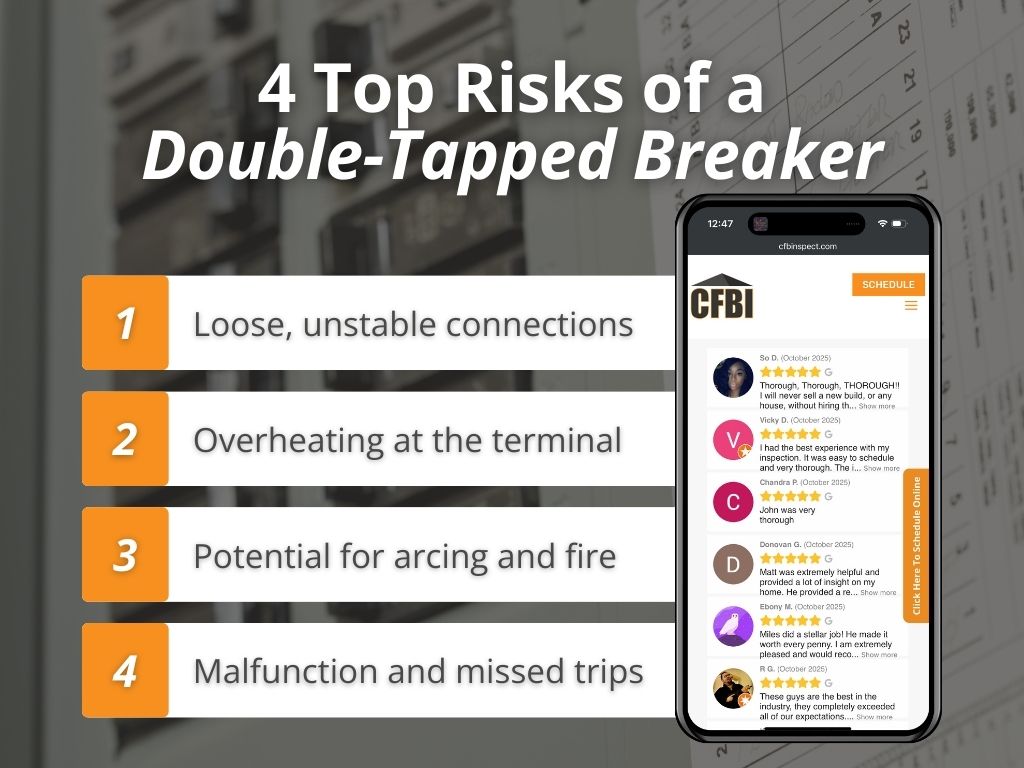
A double-tapped breaker is a safety risk because the connection is unstable, which can lead to overheating, arcing, or electrical failure.
With two wires under one screw, the pressure is uneven. A loose wire is one of the most common causes of resistance and heat buildup in a panel, according to the Electrical Safety Foundation International.
Overheating at the Breaker Terminal
As resistance increases, the terminal can heat up. Heat damages wire insulation and may damage surrounding components.
Arcing Risk
The National Fire Protection Association explains that arcing can reach temperatures high enough to ignite surrounding materials. A loose double tap creates the kind of unstable contact where arcing can occur.
Breaker Malfunction
If the connection is compromised, the breaker may not sense a fault correctly. A breaker that does not trip on time creates a higher risk of electrical fire or equipment damage.
Double-tapped breakers are not always in failure mode when discovered, but they have the right conditions to become a problem if not corrected.
What Usually Happens After a Double-Tap Is Found?
When an inspector finds a double-tapped breaker, the next step is to have a licensed electrician correct the connection. The electrician chooses the proper method based on the breaker type, panel age, and available space.
Typical next steps include:
Separating the two wires onto separate breakers
Installing a breaker that is listed for two wires, if the panel allows
Adding a sub-panel if the main panel is full
Evaluating whether other panel upgrades are needed
The inspector’s role is to identify the condition and explain why it matters. The electrician determines the safest correction.
Other Questions Homeowners Often Have
These questions help support internal linking across CFBI’s electrical and structural content.
Why are electrical panels inspected during a four-point inspection? Insurance companies rely on four-point inspections to confirm that the electrical system is safe and working as intended.
Can outdated wiring cause similar problems? Yes. Older wiring types can loosen or degrade, creating risks that inspectors often explain in detail during the electrical portion of the inspection.
Does panel age affect home insurance? In many cases, yes. Some insurers have age limits for panels or require documentation when problems are present.
You want a full evaluation of the panel, wiring, and electrical safety
You need documentation for repairs or home maintenance
Inspectors identify the issue, explain the safety concerns, and help you understand what should happen next.
Call a licensed electrician when:
A double-tapped breaker has been confirmed
You see signs of heat, corrosion, or repeated breaker tripping
The panel is full or appears outdated
New electrical equipment needs to be added
You want the defect corrected safely
Electricians perform the actual repair and confirm that the system is updated correctly.
Conclusion
A double-tapped breaker is a simple wiring error with real safety impact. It appears when two wires share a breaker terminal that was designed for one, and it is one of the most common issues inspectors find in Central Florida homes.
Understanding what a double-tapped breaker is, why it forms, and what steps follow helps homeowners stay informed and make safe decisions about their electrical system.
Central Florida Building Inspectors identify these conditions clearly so homeowners know what is happening inside the panel and what next steps to expect from an electrician.