Radon the facts that you need to know about

Any homeowner, or anyone looking at buying property needs to be sure that they learn a thing or two about Radon Gas—it’s as simple as that. Radon is the second common cause of lung cancer in the United States of America, Radon gas is created by the natural breakdown of uranium in the soil found all over the U.S.

The scary thing about Radon is that it is completely colorless and odorless, meaning a home’s occupants can easily breathe it into his or her lungs without noticing it. Radon can also enter into a house through cracks in the foundation, through the expansion joints, and other cracks and holes around the base of your home’s structure.

If you have never heard of Radon, you need to know that is dangerous!

As mentioned, Radon gas is odorless and colorless, you cannot taste it or even see it, and it is capable of filling your home, and becoming a silent killer if it continues to go unnoticed. The Surgeon General of the US has already said that Radon is the second biggest cause of lung cancer in the states, just behind smoking. If you are a smoker, and your home has high levels of Radon gas, then you are at a higher risk of developing lung cancer.

Each year the EPA says that thousands of people die of cancer related deaths due to Radon inhalation. In average of 1-in-15 homes has serious Radon levels that need addressed.

How can I get a Radon Test?

To get your home tested for Radon, simply contact a local home inspection company. A home inspection is the safest way, and most professional method in which you can get your home tested for Radon. There are a few ways to test the home and surrounding area, and if any concern are found, suitable treatment plans can be discussed. This ensures that the air in your home is safe for you to breathe in.

Don’t delay any longer; contact your local home inspection company today! Ask if they offer Radon testing services that can help you.

A family of three stands with their backs turned on a green lawn, looking at their new home with a "SOLD" sign displayed in the front window.

House Inspection Checklist for Florida Home Buyers

A house inspection checklist lists the parts of a home you should look at before you buy: the roof, foundation, plumbing, electrical system, HVAC, and more. Use it at showings to spot problems early and to know what a licensed inspector will cover later. At Central...
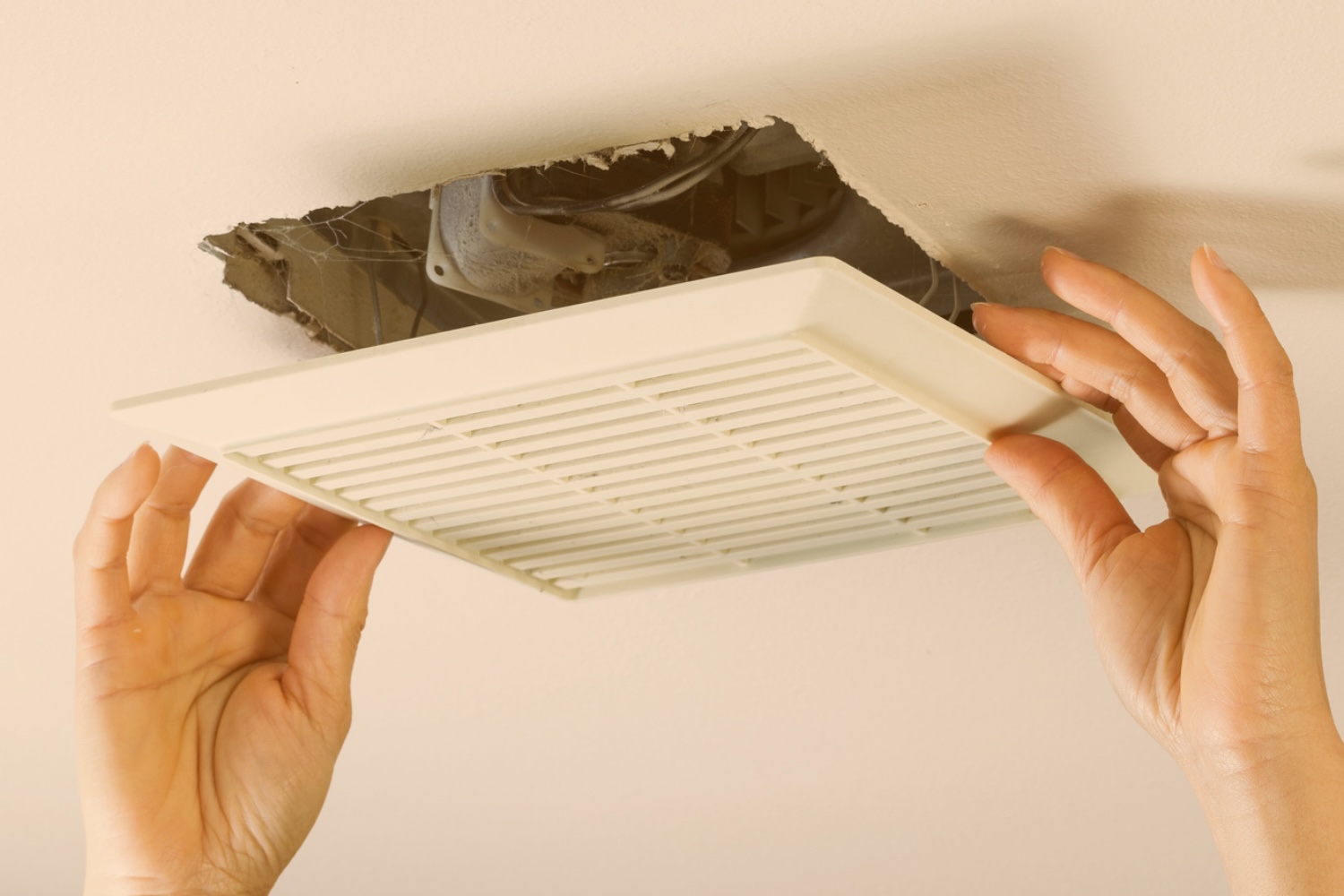
Two hands removing or installing a white slatted vent cover over an exhaust fan opening in a ceiling.

Garage Vent Fan Guide

A garage vent fan pulls hot, damp, or fume-filled air out of your garage and sends it outside. In Central Florida, most garages need some kind of airflow plan because summer heat and humidity build up fast. At Central Florida Building Inspectors, we have inspected...
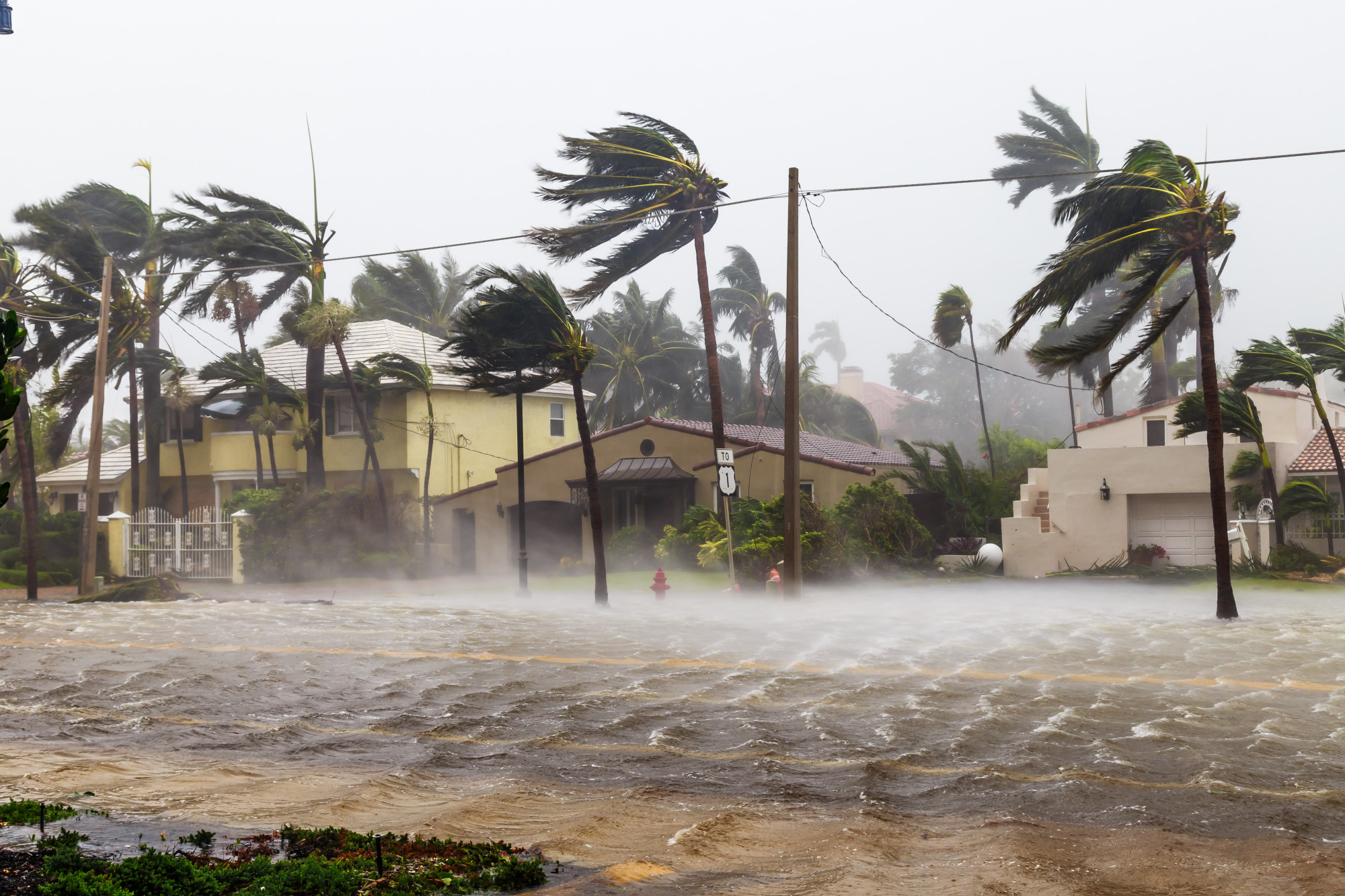
CFBI explains the scope and importance of a wind mitigation inspection for Florida homes

What Is the Importance of Wind Mitigation for FL Homes?

Wind mitigation matters for Florida homes because it does two things at once: it documents the features that help your house survive a hurricane, and it unlocks insurance discounts that Florida law requires insurers to offer. A wind mitigation inspection records those features on a state form, and for most Central Florida homeowners it pays […]

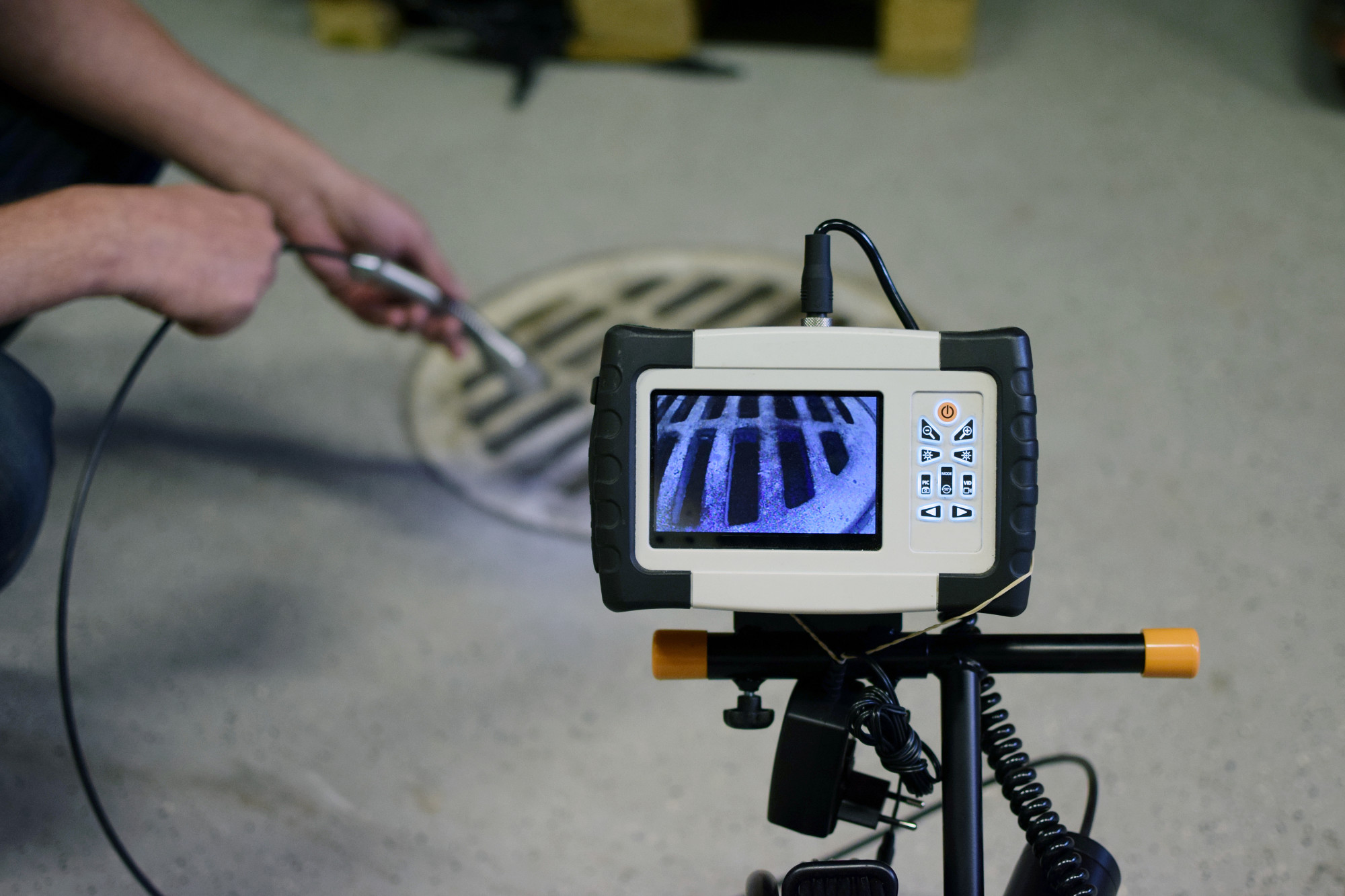
Sewer scope camera set up to visualize the process of a sewer scope inspection.

What Happens During a Sewer Scope Inspection?

A sewer scope is a video inspection of the underground lateral sewer line that carries waste from your house to the city main or your septic tank. An inspector feeds a small waterproof camera on a flexible cable through a cleanout or drain access point and watches a...
A hand holding a magnifying glass over a small house graphic to illustrate a Florida 4 point inspection guide.

What are the Most Common 4-Point Inspection Findings?

The most common findings on a 4-point inspection involve the roof, electrical system, plumbing, and HVAC: the four systems Florida insurers use to decide whether to write or renew a homeowners policy. Older homes in Central Florida frequently turn up at least one...
risks of buying short sale home

What Are the Risks of Buying a Short-Sale Home?

Short-sales often catch a buyer’s attention because of price. When a listing appears below market value, it is natural to wonder whether it could be a smart opportunity. But these deals come with risks that many buyers do not fully understand until the process is...
how long does a standard hgome inspection take cfbi

How Long Does a Standard Home Inspection Take?

One of the first questions buyers and sellers ask is how long a home inspection will take. The answer matters because inspections affect scheduling, negotiations, repairs, and closing timelines. In Central Florida, where homes range from older block construction to...
pre-listing inspection

Maximize Your Home Value With a Pre-Listing Inspection

Getting a pre-listing inspection allows sellers to uncover and address potential issues before putting their home on the market. Not only can this build buyer trust, but it can also reduce negotiation hurdles, and the inspection can allow you to have a...
property condition assessment

What to Expect From a Property Condition Assessment in Orlando

A property condition assessment (PCA) is a detailed evaluation of a property's structural, mechanical, and safety systems. This report can give clear insights into current deficiencies, future repair needs, and probable costs. According to Bankrate, home...
pca inspection

How to Prepare Your Property for a PCA Inspection

Preparing for a PCA inspectioninvolves ensuring that your property is accessible, well-documented, and in good working order. Inspectors evaluate everything from roofing and structure to plumbing, electrical, and safety systems. With the right preparation, you can...

Request Inspection

We perform thousands of inspections every year

Let our experience of residential and commercial property inspections in the Greater Orlando area work to your advantage!

Click Here To Schedule Online