A house inspection checklist lists the parts of a home you should look at before you buy: the roof, foundation, plumbing, electrical system, HVAC, and more. Use it at showings to spot problems early and to know what a licensed inspector will cover later.
At Central Florida Building Inspectors (CFBI), our team has served Central Florida buyers since 1988. This guide shows what to check, which red flags matter most in Florida homes, and when to call a pro.
Print it, bring it along, and use the sections below to learn what each item means.
What Is a House Inspection Checklist?
A house inspection checklist is a room-by-room and system-by-system list of things to check in a home. Buyers use it to prepare for showings and to ask better questions. Inspectors use their own, more detailed lists during a full inspection.
Your checklist is a screening tool. It helps you notice stains, cracks, odd smells, and worn parts. It does not replace a professional inspection. A home inspection is a limited visual exam done by a licensed inspector.
Florida licenses home inspectors as individuals, not companies.
Two other terms get mixed up with a home inspection:
House Inspection Checklist: Exterior, Structure, and Interior
This first half covers the shell of the home. Walk the outside, then check the structure, the attic, and the living areas, and take photos of anything that looks off.
Exterior, Roof, and Grounds
Start outside. The exterior shows how well the home has been kept up, and the roof is one of the costliest parts to fix.
- Look for missing, curled, or cracked roof shingles or tiles, and ask how old the roof is.
- Check gutters and downspouts. Water should flow away from the house.
- Look at siding, trim, and paint for cracks, rot, or soft spots.
- Check that the ground slopes away from the foundation.
- Look at the driveway, walkways, fences, and decks for damage.
- Note any large trees close to the roof or the house.
Foundation and Structure
The foundation holds the whole home up. Structural problems are costly, so look closely.
- Look for cracks in the foundation, walls, or ceilings. Wide, stair-step, or growing cracks need a pro.
- Check for doors and windows that stick or do not close well. This can point to shifting.
- Look for sloped floors or gaps between walls and floors.
- If the home has a crawl space, look for standing water, damp soil, or damaged support beams.
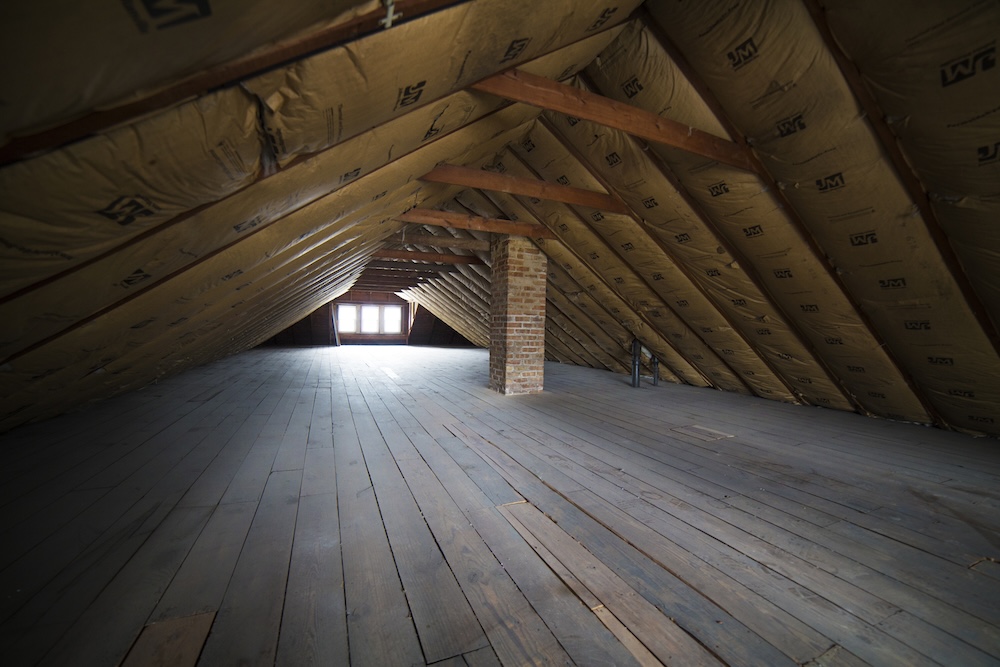
Attic and Insulation
The attic tells you a lot about the roof and the home’s energy use.
- Look for water stains on the underside of the roof deck, one of the most common signs of a hidden roof leak.
- Check that insulation is even and dry, not flattened or wet.
- Look for signs of pests, such as droppings or chewed material.
- Make sure vents are not blocked.
Interior Rooms, Windows, and Doors
Interior details often show signs of past water damage or settling.
- Look for stains, bubbling paint, or peeling wallpaper on walls and ceilings.
- Open and close every window and door. Check the seals and the locks.
- Check floors for soft spots, buckling, or uneven areas.
- Note any musty smell. It can point to hidden moisture or mold.
House Inspection Checklist: Plumbing, Electrical, and Home Systems
Next, check the systems that keep the home running. Problems here are often hidden, so look for clues such as stains, odd sounds, and weak performance.
Plumbing
Plumbing leaks can hide behind walls for years before they show up.
- Run every faucet and flush every toilet. Check water pressure and drain speed.
- Look under sinks for drips, stains, or rust.
- Check the water heater for age, rust, and leaks at the base.
- Note the pipe material where you can see it, and ask the inspector about older pipe types.
Electrical System
Electrical problems can be a fire risk, so note anything unusual and leave repairs to a licensed pro.
- Test light switches and outlets in each room.
- Look at the electrical panel for rust, burn marks, or a messy layout.
- Check for outlets near water, such as in kitchens and bathrooms, that have GFCI protection.
- Look for flickering lights, warm outlets, or buzzing sounds.
- Ask the inspector about older wiring types, such as aluminum wiring, in homes built decades ago.
Heating and Cooling (HVAC)
In Central Florida, the air conditioner works hard for most of the year. A failing system is a big expense.
- Ask how old the HVAC system is and when it was last serviced.
- Turn the system on and check that each room gets cool air.
- Look at the ductwork and vents for dirt, damage, or signs of moisture.
- Check the drain line and the area around the air handler for rust and for signs of an air conditioner leaking water.
Kitchen and Bathrooms
These rooms use the most water, so they are common places for leaks.
- Check cabinets under sinks for water damage or warped wood.
- Look at caulk and grout around tubs and showers for gaps or black spots.
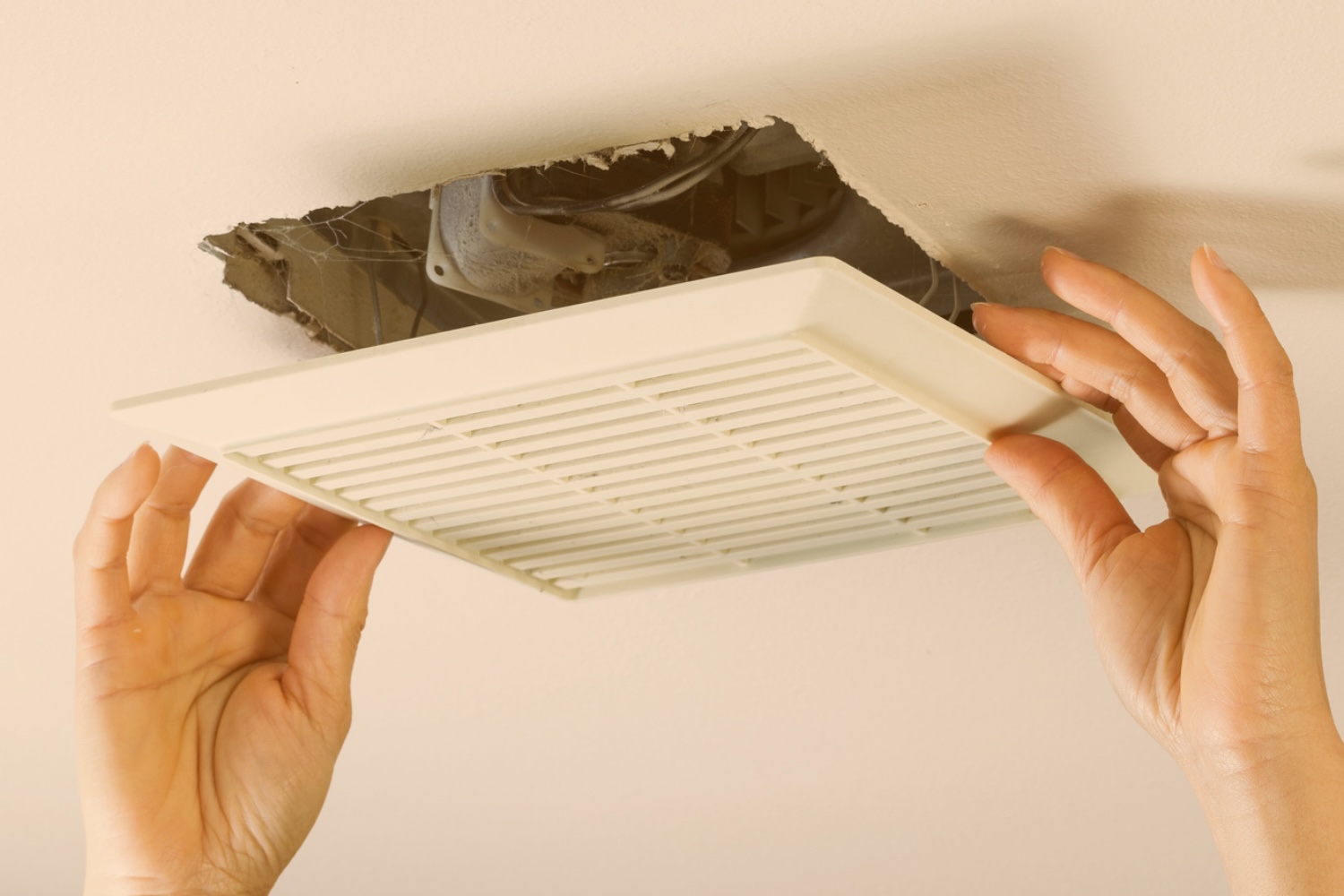
- Run the exhaust fans and make sure they vent properly.
- Test the appliances that come with the home.
Safety Devices
These items are quick to check and important for your family.
- Make sure smoke alarms are in bedrooms and hallways, and that they work.
- Check for carbon monoxide alarms near sleeping areas, especially if the home has gas appliances.
- Look for railings on stairs, porches, and balconies.
- Test the garage door’s auto-reverse feature.
Red Flags at a Glance
Use this table to decide what to do when you spot a problem.
| What you see | What it may mean | Next step |
|---|---|---|
| Wide or growing cracks in walls or foundation | Settling or structural movement | Ask for a full inspection and a structural opinion |
| Water stains on ceilings or walls | Roof or plumbing leak | Ask the seller about repairs, then have an inspector check |
| Musty smell or black spots | Moisture or mold | Consider a mold inspection |
| Sticking doors and windows | Shifting or humidity | Note it and ask your inspector to look closer |
| Old or rusty electrical panel | Safety or capacity concern | Have a licensed electrician review it |
| Weak airflow or warm air from vents | HVAC problem | Ask for service records and an HVAC check |
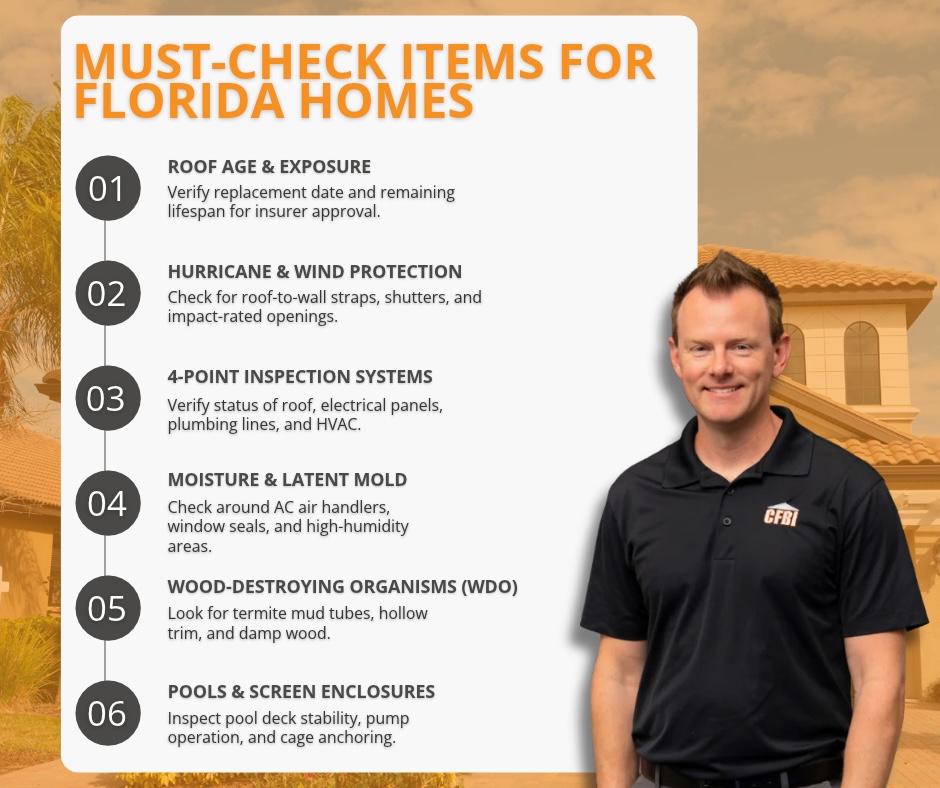
Florida Items to Add to Your Checklist
Florida homes face weather and pests that homes in other states do not. Add these to your list.
- Roof age and condition. Sun, heavy rain, and storms wear roofs down. Ask when the roof was last replaced, and ask your insurance agent what they need to see.
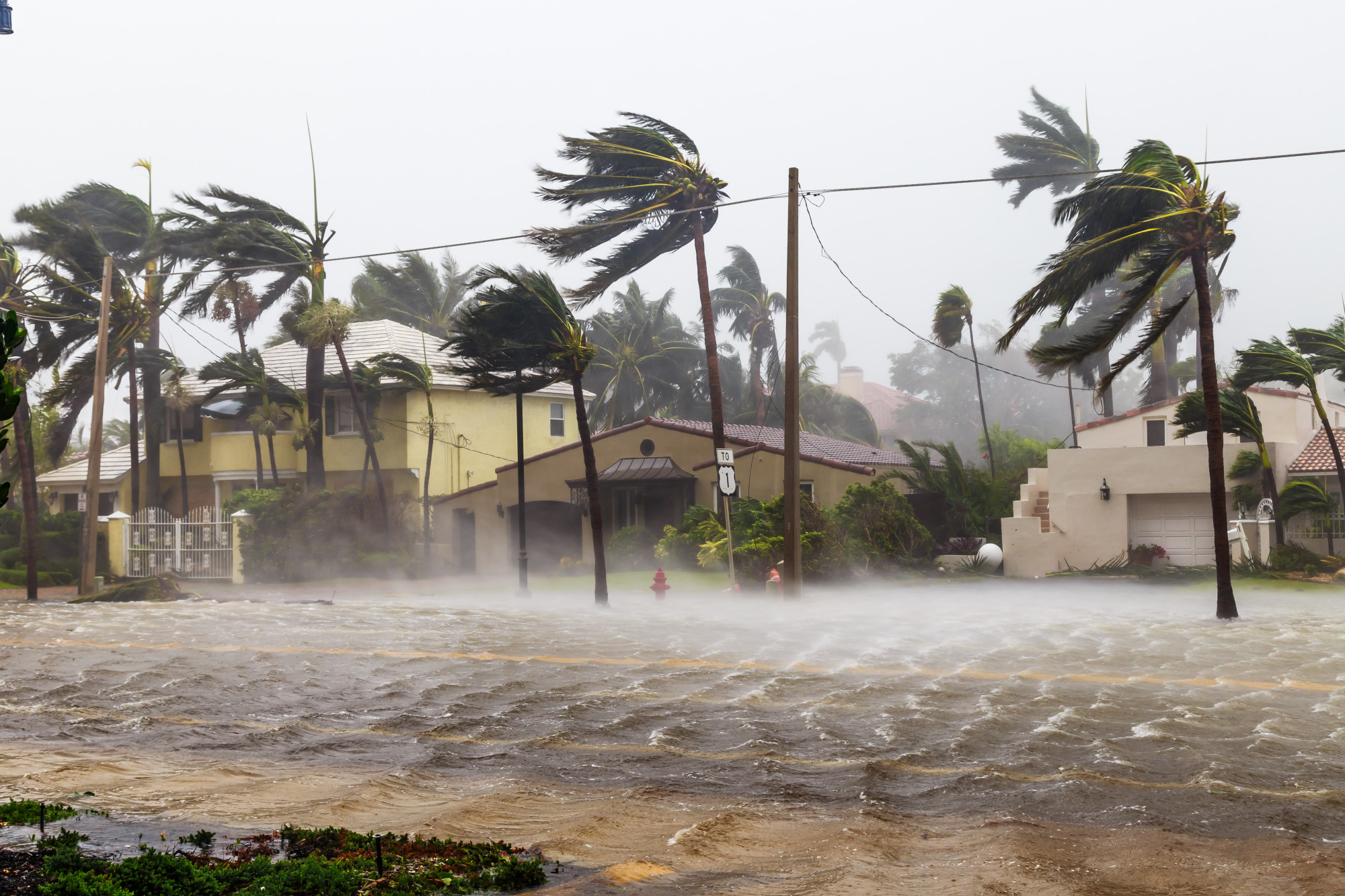
- Wind and hurricane protection. Look for roof straps, impact-rated windows, and shutters. A wind mitigation inspection documents these features, and some buyers use the report when they shop for insurance.
- Insurance-related checks. Insurance companies often ask for a 4-point inspection on older homes. It covers the roof, electrical, plumbing, and HVAC.
- Moisture and mold. Humidity makes leaks and mold more likely. Look for stains, soft drywall, and musty rooms, especially near bathrooms, windows, and the air handler.
- Termites and wood damage. Look for mud tubes, hollow-sounding wood, and sawdust-like droppings. A wood-destroying organism (WDO) inspection checks for termites and other wood damage.
- Pools. If the home has a pool, check the deck, the pump, and the screen enclosure, and ask about leak history.
What to Do During the Home Inspection
Plan to attend the inspection. It gives you a chance to see problems in person and ask questions.
- Bring your checklist and notes. Share any concerns from your showings with the inspector.
- Bring a notepad or phone. Take photos of problems the inspector points out.
- Stay out of the way. Let the inspector work, then ask questions at the end of each area.
- Plan for time. Most inspections take three to five hours, depending on the size, age, and condition of the home.
You should get a written report with photos. CFBI delivers reports within 24 hours, and we include thermal imaging and drone roof checks at no extra charge when they apply.
What to Do With Your Inspection Report
Read the whole report, then sort problems into three groups:
- Safety and structure: Foundation, roof, electrical, and gas issues come first.
- Water and moisture: Leaks, damage, and mold can spread, so address them early.
- Maintenance and cosmetic items: Small repairs you can handle after closing.
Next, get repair quotes for the big items. Then talk with your real estate agent about your options. You can ask the seller to repair the problems, lower the price, or give you a credit. You can also walk away if your contract has an inspection contingency and the problems are too big. Review the contingency terms in your contract with your agent or a real estate attorney.
Related Questions to Explore
What do home inspectors look for?
Home inspectors look at the condition of a home’s major systems and parts. That includes the roof, foundation, plumbing, electrical, HVAC, attic, walls, windows, and doors. In a pre-purchase home inspection, they write down what is damaged, worn, or unsafe.
What does a home inspection consist of?
A home inspection is a visual check of a home’s accessible areas, from the roof to the foundation. The inspector tests major systems, looks for damage, and writes a report with photos. It is not a guarantee, and it does not check anything hidden behind walls.
What should a buyer do during a home inspection?
Attend the inspection, walk the home with the inspector, and ask questions. Take notes and photos. Ask the inspector which problems are urgent and which can wait.
What should you ask a home inspector?
Ask about the home’s biggest concerns, the age of the roof and major systems, and which repairs come first. The best questions to ask a home inspector also cover what the inspection did not check.
What should you bring to a home inspection?
Bring this checklist, a notepad or phone, and any questions from your showings. If you have the seller’s disclosure or past repair records, bring those too. Wear comfortable shoes, since you may walk the whole property.
Can you buy a home without an inspection?
You can, but it is risky. Without an inspection, you take on problems you cannot see, such as roof damage, leaks, or electrical faults. An inspection lets you negotiate or walk away with full information.
When to Call a Professional
A checklist helps you spot warning signs. It cannot test a roof, measure moisture inside a wall, or check electrical safety. Call a licensed inspector when you:
- Find cracks, leaks, or mold during a showing.
- Are about to make an offer and want to know the home’s true condition.
- Need a 4-point or wind mitigation report for insurance.
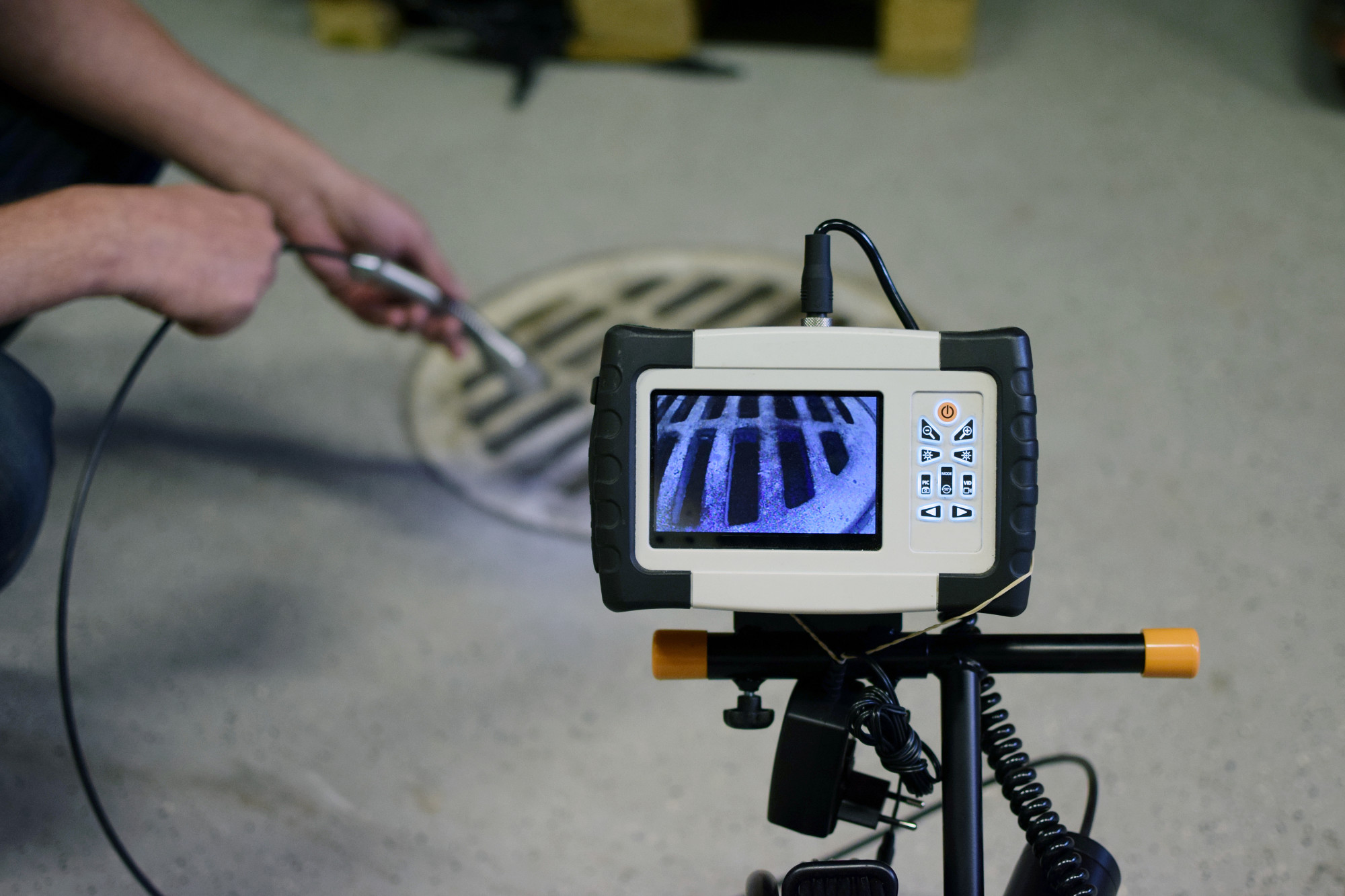
- Want a closer look at termites, mold, radon, a sewer line, or a pool.
CFBI inspectors hold Florida home inspector licenses and serve Orlando, Tampa, Volusia County, Lake and Sumter counties, Ocala, and the surrounding areas.
Before you hire anyone, look up their license with the state. When you are ready, you can schedule your inspection online.
Conclusion
A house inspection checklist helps you look at a home with a clear plan. Keep these points in mind:
- Check the roof, foundation, plumbing, electrical, HVAC, and moisture signs first.
- Add Florida items such as roof age, wind protection, termites, and mold.
- Use your checklist to prepare, then hire a licensed inspector to confirm what you find.
If you want a pro to walk the home with you, a pre-purchase home inspection is the next step, and you can reach our team with any questions first.