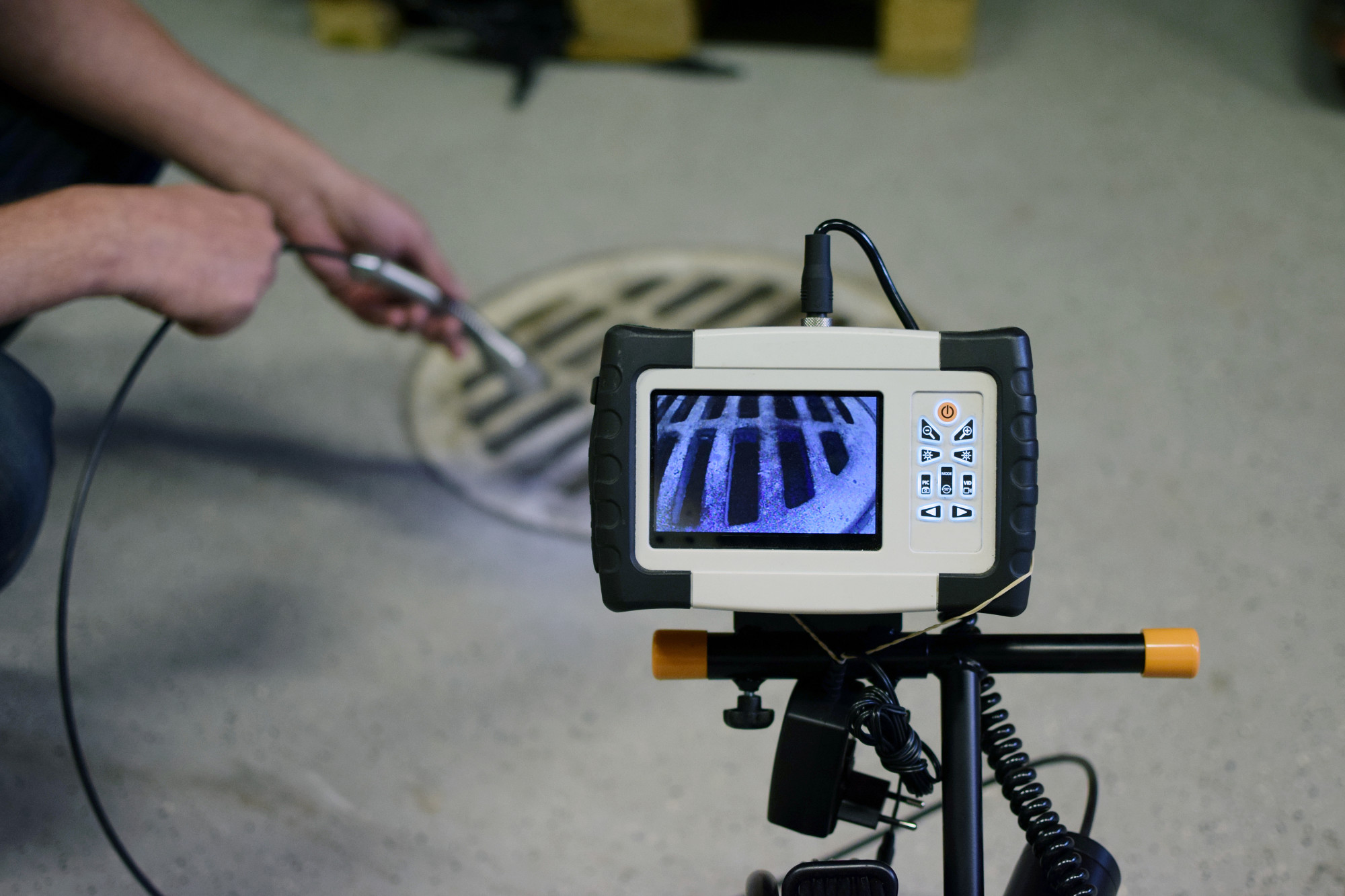
A garage vent fan pulls hot, damp, or fume-filled air out of your garage and sends it outside. In Central Florida, most garages need some kind of airflow plan because summer heat and humidity build up fast.
At Central Florida Building Inspectors, we have inspected homes across the region since 1988, and our inspectors look at the garage on every home inspection.
This guide shows you how to choose a fan, size it, and place it safely. It also covers what an inspector checks in an attached garage. Use the table of contents to jump to any section.
What Is a Garage Vent Fan and How Does It Work?
A garage vent fan is a powered exhaust fan that moves air from inside the garage to the outdoors. As the fan pushes air out, fresh air is pulled in through gaps, vents, or an open door.
That moving air does three jobs. It cools the space, it carries off moisture, and it clears out fumes from cars, paint, gas cans, and lawn equipment.
A few terms get mixed up with garage vent fans, so here is a quick sort:
- Garage vent fan or garage exhaust fan: a powered fan that pushes air outside.
- Passive vent: a louver or gable vent with no motor. Air moves through it on its own, so it works slowly.
- Attic fan: a fan that cools an attic, not a garage.
- Shop fan or floor fan: a fan that stirs the air in the room but does not remove it.
Do You Need a Garage Vent Fan?
Most garages benefit from one, and an attached garage needs more care than a detached one. Heat, moisture, and fumes all collect in a closed garage, and an attached garage shares walls with your living space.
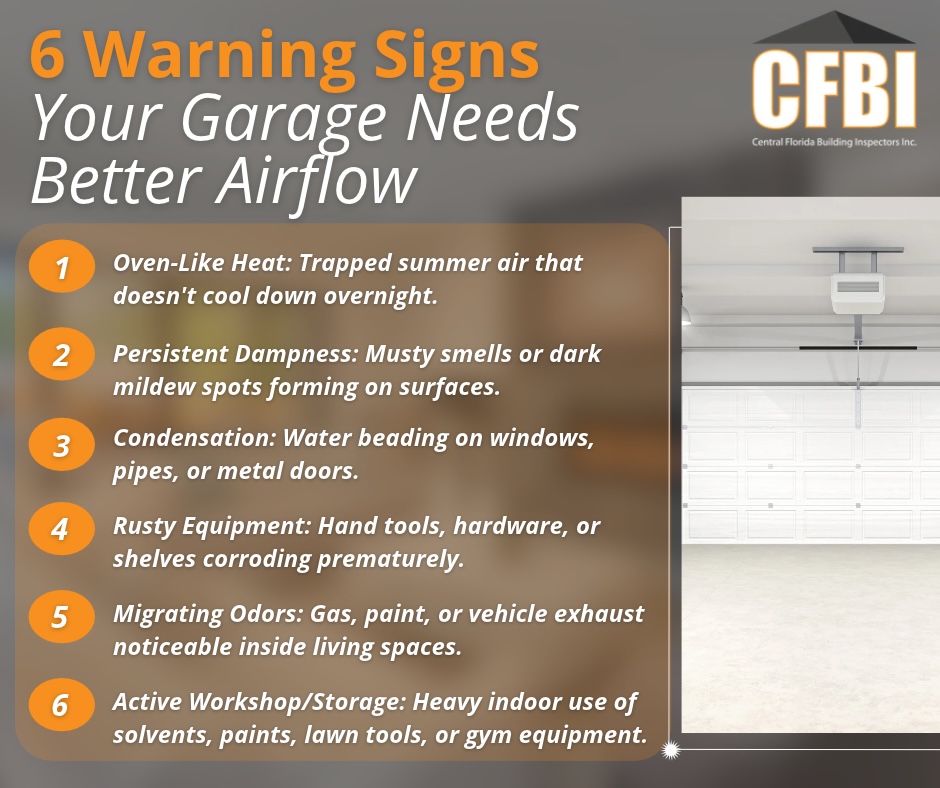
Look for these signs that your garage needs better airflow:
- The garage feels like an oven in summer.
- You notice a musty or damp smell.
- Water beads on windows, pipes, or the garage door.
- Tools and shelves show rust.
- You smell gas, paint, or exhaust in the house after you spend time in the garage.
- You use the garage as a workshop, gym, or storage room for paint and chemicals.
Damp air also feeds mold, and mold can affect your health, so dark spots or a musty smell deserve a closer look.
Types of Garage Vent Fans
The best garage vent fan depends on your walls, your roof, and how you use the space. This table compares the common choices.
| Fan type | Best for | Watch out for |
|---|---|---|
| Wall-mounted exhaust fan | Most garages with an outside wall | Needs a clear wall space and a spot for the exterior hood |
| Gable-mounted fan | Garages with a gable end wall near the roof peak | Needs a cut in the gable and wiring up high |
| Ridge or roof vent with a fan | Garages with attic space above | Needs a roof cut and a sealed roof patch |
| Window fan | Garages with a window and a tight budget | Blocks the window and is less secure |
| Solar-powered fan | Sunny spots where wiring is hard | Weaker on cloudy days and at night |
| Passive louver or soffit vent | Adds steady background airflow | Moves little air without a fan |
Here are a few features worth a look:
- Ducted or ductless: a ducted fan sends air through a pipe to an outside hood. A ductless fan sits right in the wall.
- Backdraft damper: a flap that closes when the fan is off. It keeps hot air, pests, and rain out.
- Thermostat or humidistat: turns the fan on when the garage gets hot or damp.
- Timer or motion sensor: runs the fan when you are in the garage and for a while after you leave.
- Quiet operation: helpful if the garage shares a wall with a bedroom.
- Third-party ratings: look for fans with tested airflow numbers from a group such as HVI, or an ENERGY STAR label.
A ceiling fan or floor fan moves air around, but it does not remove it. Use one of those along with a vent fan, not in place of one.
How to Size a Garage Vent Fan
To size a garage vent fan, find the volume of your garage, pick how many times per hour you want the air replaced, and divide by 60. The answer is the airflow you need, measured in cubic feet per minute (CFM).
The formula looks like this:
CFM = (length × width × height × air changes per hour) ÷ 60
Here is an example for a two-car garage that measures 20 feet by 20 feet with an 8-foot ceiling:
- Volume: 20 × 20 × 8 = 3,200 cubic feet.
- At 6 air changes per hour: 3,200 × 6 ÷ 60 = 320 CFM.
- At 10 air changes per hour: 3,200 × 10 ÷ 60 = about 533 CFM.
Those air change numbers are examples. A hot garage needs more airflow than a garage that only needs help with fumes. A workshop with paint or solvents may need more still.
A Department of Energy-backed Building America guide from PNNL gives a useful reference point for attached garages. It ties a minimum of 70 CFM to the EPA Indoor airPLUS program for a garage exhaust fan.
Under that program, the fan vents straight outdoors and runs whenever the garage is in use. A motion sensor or timer keeps it going for at least an hour after the garage is empty. Treat 70 CFM as a floor for fume control, not a target for cooling a hot garage.
Do not forget replacement air. A fan can only push air out if air can come in. If your garage is sealed tight, add an intake vent low on the wall opposite the fan, or open a window or the garage door while the fan runs. Never pull replacement air from the house.
Where to Put a Garage Vent Fan and How to Install It Safely
Put the fan high on an outside wall, as far as you can from the intake vent. That layout pulls fresh air across the whole garage. Heat rises, so a high spot also removes the hottest air first.
Follow these steps:
- Pick the wall. Choose an exterior wall, not the wall or ceiling you share with the house.
- Check behind it. Look for studs, wires, pipes, and anything else that sits where you plan to cut.
- Vent outdoors. Send the air outside through an exterior hood with a damper. Never vent into an attic, a soffit, a crawl space, or the house.
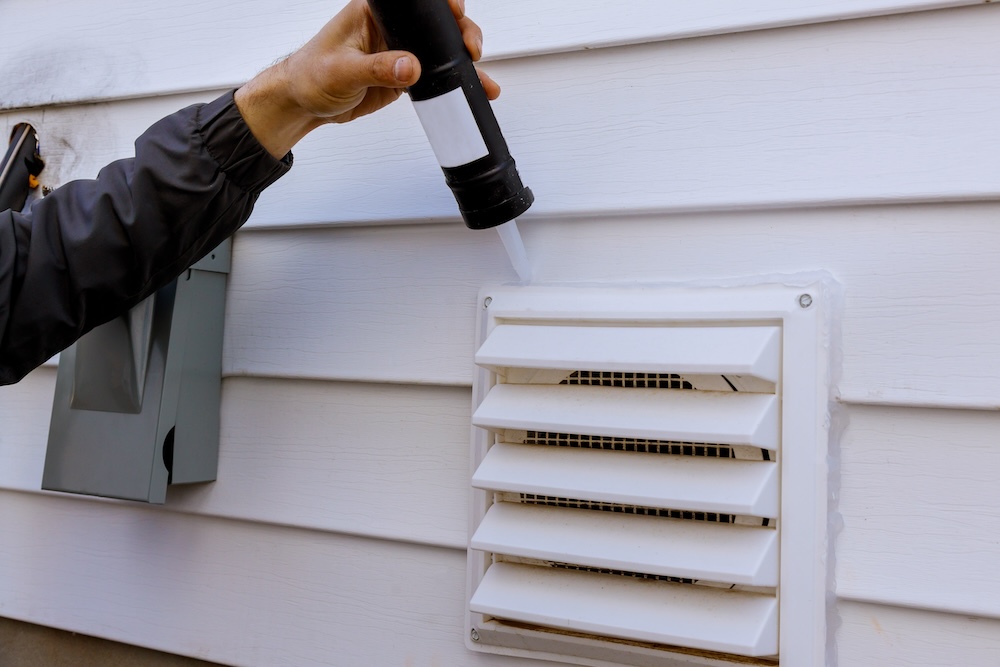
- Seal the opening. Caulk around the duct and the hood so water and pests stay out.
- Add intake air. Place an intake vent or louver on the opposite side of the garage.
- Wire it the right way. If the fan needs a new circuit or a switch, hire a licensed electrician. A plug-in fan on a safe outlet is a simpler option.
If your garage has a finished ceiling or a bonus room above it, stop and read the next section before you cut anything.
What Home Inspectors Check in an Attached Garage
In an attached garage, an inspector looks at how well the garage is sealed off from the house. Fumes and carbon monoxide can travel from the garage into living space, so the barrier between the two matters more than any fan.
Here is what we look at:
- Fire separation: the wall and ceiling shared with the house should be solid, with no holes, gaps, or missing drywall. Building codes call for a fire-rated barrier here.
- The door to the house: it should close tightly, seal with weatherstripping, and ideally close on its own. The PNNL guide recommends a self-closing, weatherstripped door as a way to keep garage air out of the home.
- Penetrations: pipes, wires, and ducts that pass through the shared wall or ceiling should be sealed.
- No ducts in the garage: HVAC ducts and return air should not run through or draw from the garage.
- Fan placement: a vent fan should sit on an outside wall and exhaust outdoors.
- Carbon monoxide alarms: the house should have working alarms on each level and near bedrooms.
Some energy programs go a step further. They test the wall between the garage and the house with a blower door. The PNNL guide describes a pass when the garage holds a pressure of more than 45 Pascals against a house held at 50 Pascals.
The U.S. Department of Energy has also sponsored research on air transfer between the garage and living space, aimed at keeping garage air out of living areas. A good air barrier does more to protect your family than a bigger fan.
A vent fan does not make it safe to run a car in a closed garage. Carbon monoxide can build up to dangerous levels fast. Open the garage door first, then start the engine, and drive out right away.
Garage Ventilation in Florida’s Heat and Humidity
In Florida, garage ventilation is mostly about heat and moisture. Summer sun heats the roof and walls, and humid air settles on cool surfaces.
A few habits help in our climate:
- Pick a fan with a humidistat so it runs during damp spells, not just hot ones.
- Run the fan in the morning and evening when the outside air is cooler than the garage.
- Keep wet items, like coolers and pool gear, out of the garage or dry them first.
- Check for musty smells after heavy rain. Moisture can point to a leak.
- If you store items that hate humidity, such as paper, fabric, or electronics, consider a sealed storage bin.
Do not turn a hot garage into a conditioned space without a plan. Cooling a garage with a window unit or a mini-split changes how moisture moves in the building. Ask a pro before you try it.
Garage fumes are not the only air concern in a home. Radon is a separate issue that seeps up from the soil, and the common signs of radon look different from garage fume problems.
Related Questions to Explore
Do garages need ventilation?
Yes, most garages do. A garage traps heat, moisture, and fumes from cars and stored items. Some airflow, even from passive vents, helps. An attached garage needs the most care, since it shares walls with your living space.
How many CFM do I need to ventilate a garage?
Multiply the length, width, and height of the garage, then multiply by the air changes per hour you want, and divide by 60. A 20-by-20-foot garage with an 8-foot ceiling needs about 320 CFM at 6 air changes per hour. Fume control alone can take less. Heat removal takes more.
How do you ventilate a garage with no windows?
Use a wall-mounted exhaust fan on an outside wall and add an intake louver on the opposite wall. A thermostat or timer lets the fan run on its own. Do not rely on the door to the house for replacement air.
Does an insulated garage need ventilation?
Yes. Insulation holds heat and moisture in, so an insulated garage can get stuffy fast. Add a fan and an intake path. If you plan to heat or cool the garage, talk to a pro about moisture first.
Can you vent a bathroom fan into the garage?
No. A bathroom fan should send moist air outdoors. Venting it into a garage adds moisture and can lead to mold and rot. It also moves air through a space that is meant to stay separate from your home.
How do you ventilate a garage in Florida?
Use a wall-mounted fan on a humidistat or thermostat, add an intake vent on the opposite wall, and keep the wall shared with the house sealed. Plan for both heat and humidity. Check for musty smells after storms.
When to Call a Professional
Call a pro when the job goes beyond swapping a plug-in fan. These are good times to bring in help:
- You need to cut into a fire-rated wall or ceiling. The cut can weaken the barrier between the garage and the house. A pro can seal it the right way.
- You need new wiring. Hire a licensed electrician for a new circuit, switch, or hardwired fan.
- You need a gable or roof cut. A bad cut can lead to leaks.
- You smell fumes in the house. The air barrier may have gaps.
- A carbon monoxide alarm sounds. Get everyone outside right away and call 911.
- You see mold or water stains. The source of the moisture needs to be found and fixed.
- You are buying a home with an attached garage. A pre-purchase home inspection checks the garage, the fire barrier, the door to the house, and the rest of the home in one visit.
Central Florida Building Inspectors serves Central Florida, Volusia County, Lake, Sumter, and Marion counties, and the Tampa area. Our reports include photos and arrive within 24 hours.
Conclusion
A good garage vent fan keeps your garage cooler, drier, and cleaner. Remember these points:
- Size the fan with the CFM formula and plan for replacement air.
- Mount it on an outside wall and vent it outdoors.
- Protect the barrier between the garage and the house, because it matters more than the fan.
Have questions about your garage or a home you want to buy? Schedule a home inspection with our team, and we will take a close look at it.