The biggest benefit of a sewer scope inspection is simple: it shows you the one part of a home that no standard inspection covers, the buried sewer line, before a hidden problem becomes your problem.
A camera runs the length of the pipe and reveals root intrusion, cracks, bellies, and corroded or collapsed sections that would otherwise stay invisible until they back up into the house. For buyers of older Central Florida homes, that hour of video can be the difference between a smooth closing and a surprise repair bill running into the thousands.
Here is what a sewer scope covers, what it costs, and why it matters so much in Florida.
What Is a Sewer Scope Inspection?
A sewer scope inspection is a video inspection of the lateral sewer line, the privately owned pipe that runs from the home’s foundation out to the city sewer main, an HOA tap, or a septic tank.
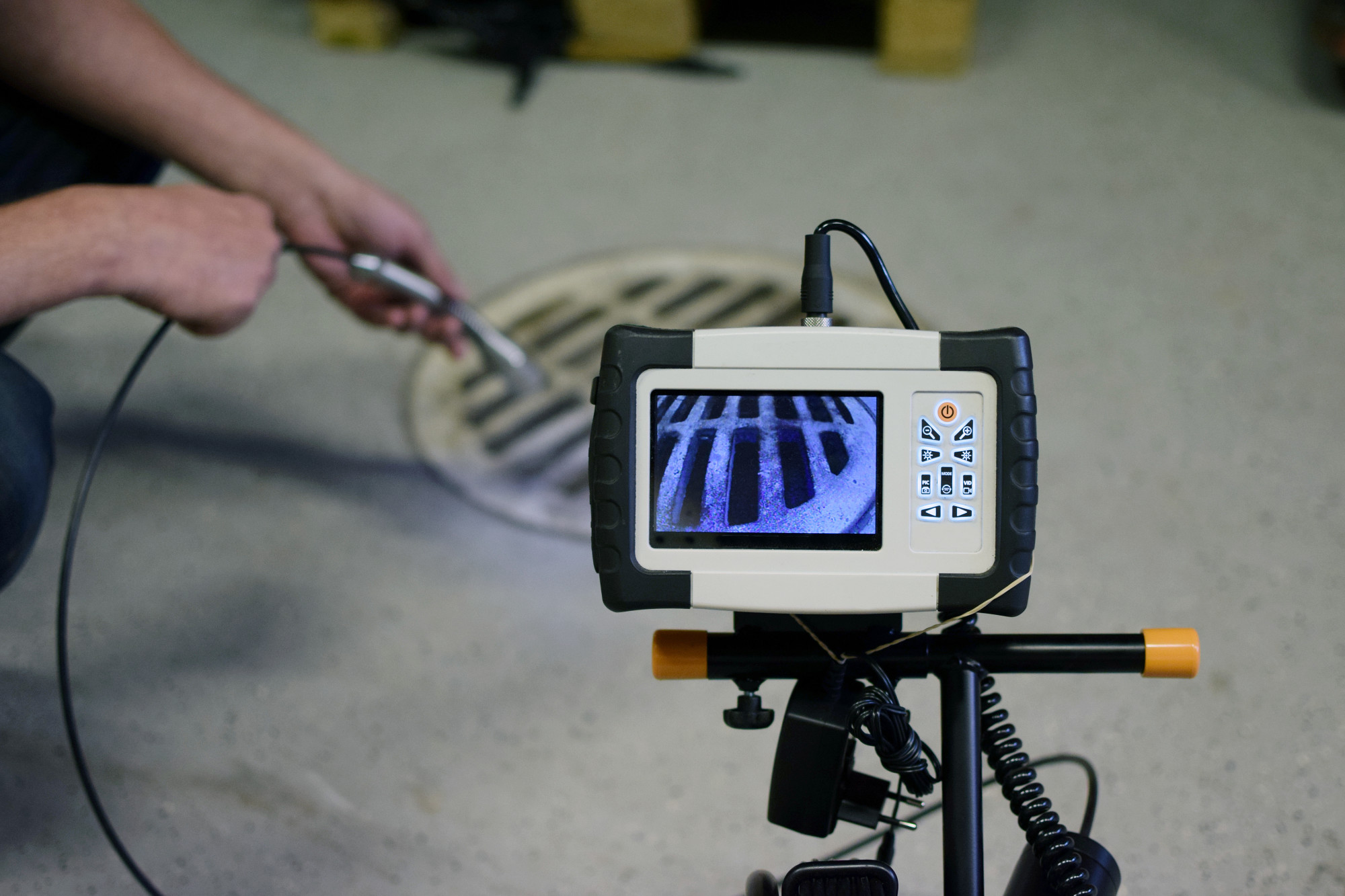
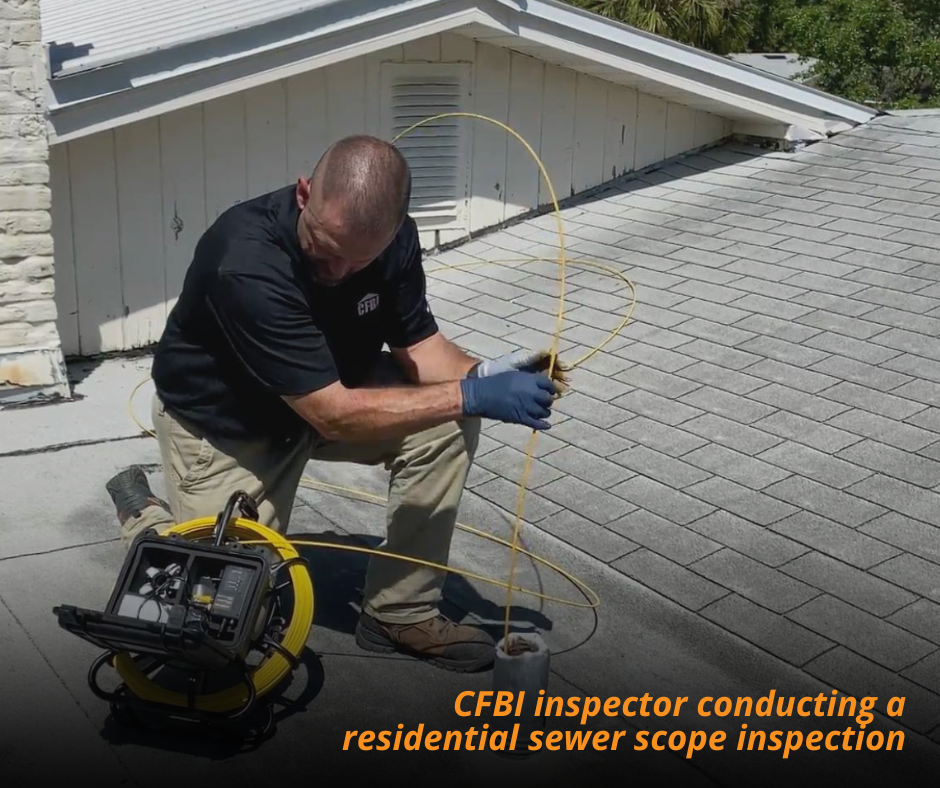
A waterproof camera on a flexible cable is fed through a cleanout or drain access point, and the inspector watches a live feed of the pipe’s interior from end to end.
The key thing to understand is that this line is yours to maintain and repair, and a standard home inspection does not cover it. Home inspectors follow standards of practice that specifically exclude the underground sewer line, so unless you order a sewer scope as a separate service, that pipe is a blind spot in your purchase.
A sewer scope is the only practical way to see its true condition without digging up the yard.
The Benefits of a Sewer Scope Inspection
A sewer scope pays for itself by turning an expensive unknown into a documented, negotiable fact. Here are the benefits that matter most.
1) It catches tree root intrusion early
Roots are the number one enemy of a sewer line in Florida. They find their way into the smallest crack or joint, then grow into a dense mass that snags waste and eventually blocks the pipe. A camera spots root intrusion long before it causes a backup, so you can address it on your terms instead of during an emergency.
2) It reveals the true condition of aging pipe
Older Central Florida homes were often plumbed with cast iron, clay tile, or Orangeburg pipe, all of which degrade with age. A scope shows exactly what material you are dealing with and how far gone it is: flaking and corrosion in cast iron, open joints in clay, or the soft, collapsing walls of Orangeburg. That is information you cannot get any other way short of excavation.
3) It finds breaks, bellies, and blockages before you close
The camera reveals cracks, offset joints, collapsed sections, and bellies, which are low spots where the pipe sags and waste collects. Any of these can cause slow drains, recurring clogs, or sewage backups. Finding them before closing means they become the seller’s problem, not a repair you discover a month after moving in.
4) It gives you real negotiating leverage
A documented sewer defect is one of the strongest bargaining chips a buyer has. Because a sewer line repair or replacement can run from a couple thousand dollars to well over ten thousand, a clear video showing the problem lets you request a credit, a price reduction, or a completed repair before you sign.
Homeowners insurance typically does not cover these lines, so catching the issue up front is the only real protection you have.
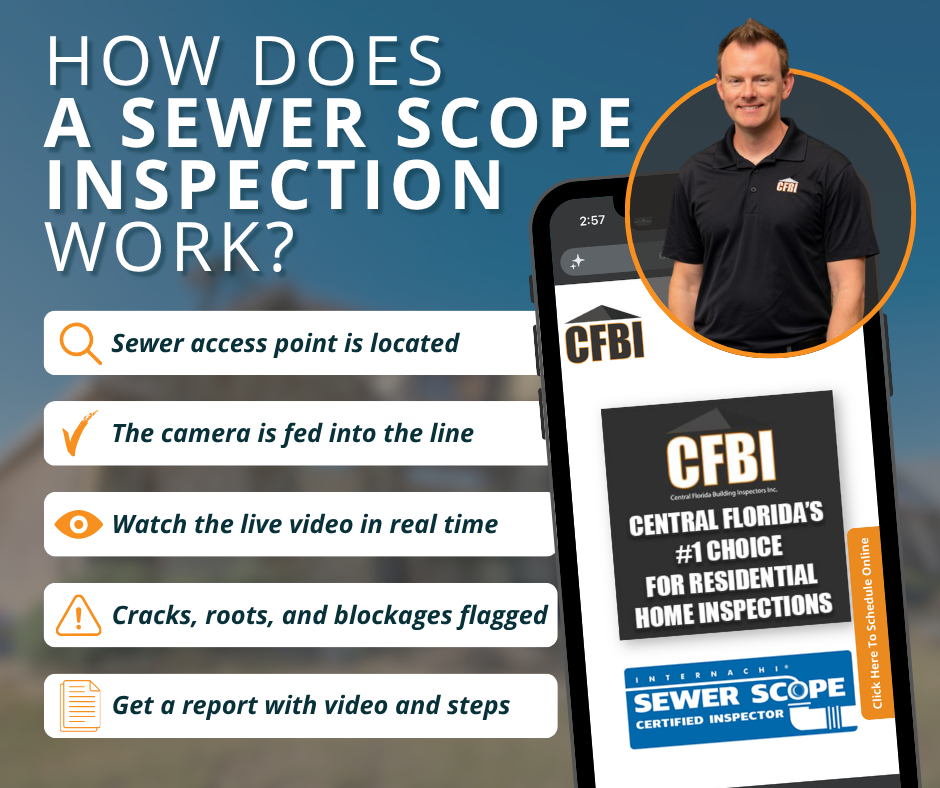
How Does a Sewer Scope Inspection Work?
The process is quick and completely non-invasive. Here is what it looks like:
- Locate access. The inspector finds a cleanout or a suitable drain access point. Clear access is what makes the job possible, so it helps to know where your cleanout is.
- Run the camera. A waterproof camera on a long, flexible cable is pushed through the line while the inspector watches a live monitor, recording the footage as it goes.
- Identify defects. As the camera travels, the inspector notes the pipe material, its condition, and any problems, and can often mark the approximate location and depth of a defect.
- Deliver the report. You receive a written report with video or images documenting what was found, which is exactly what you need for negotiation or for planning a repair.
Most inspections take only about 20 to 30 minutes. Here is a quick reference for what the camera can reveal:
| What the camera finds | What it means for you |
|---|---|
| Tree root intrusion | Blockages and cracked joints; regrows in 1 to 3 years if untreated |
| Cracks and offset joints | Leaks, soil erosion, and entry points for roots |
| Bellies (low spots) | Standing waste, recurring clogs, and slow drains |
| Corrosion / deteriorated pipe | Aging cast iron or Orangeburg near the end of its life |
| Collapsed or broken sections | Immediate failure risk and the most expensive repair category |
| Blockages and debris | Backups waiting to happen; may signal a deeper problem |
Why Central Florida Homes Are Especially at Risk
Florida’s conditions are unusually hard on sewer lines, which is what makes a scope so worthwhile here. The sandy soil, high water table, and year-round growing season combine to attack pipes from every direction.
Root pressure never lets up in a climate where trees grow all year. Live oaks, which shade so many Orlando-area neighborhoods, along with palms, ficus, and camphor, send aggressive roots dozens of feet toward the moisture inside a sewer line. Any mature tree within roughly ten to fifteen feet of the pipe is a real threat.
Age is the other factor. Many homes built before the mid-1980s still have their original cast iron, clay, or Orangeburg pipe, and cast iron in particular is prone to corrosion and cracking in homes built before 1975. Orangeburg, a tar-paper pipe used in some mid-century construction, deteriorates and collapses readily in wet Florida soil.
If you are buying an older home in Central Florida, there is a real chance the sewer line is at or past the end of its service life, and a scope is the only way to know.
How Much Does a Sewer Scope Inspection Cost?
A sewer scope is inexpensive relative to what it protects you from. Pricing depends on access and property, so treat these as ranges rather than quotes.
| Item | Typical range |
|---|---|
| Sewer scope inspection | Roughly $125 to $350 |
| Common sewer line repair | Around $2,500 and up |
| Full line replacement | $2,000 to $10,000 or more |
Set a small one-time inspection fee against a repair that can climb into five figures, and the math is straightforward. Because access can affect the job, and because CFBI does not quote a flat price online, the best move is to contact us for a quote on your specific property.
Sewer Scope Inspection vs. Home Inspection
These get confused often, so here is the clean version. A general home inspection evaluates the house and its visible, accessible systems, and it explicitly does not include the buried sewer line. A sewer scope is a separate, specialized service that films the inside of that line. A sewer scope is also different from a septic inspection, which evaluates the tank and drain field. A scope films the pipe running to the tank or the city main, and it is worth doing whether your home is on city sewer or septic.
The takeaway: if you want to know the condition of the sewer line, you have to ask for the scope specifically. It is never bundled into the standard inspection by default.
Related Questions to Explore
Is a sewer scope inspection worth it?
For an older home, almost always. One inspection can reveal root intrusion, cracks, or a failing pipe that would cost thousands to fix, giving you the leverage to negotiate before closing or to walk away. Homeowners insurance generally will not cover the sewer line, so the scope is your main safeguard.
Do I need a sewer scope inspection on a new construction home?
It is still worth considering. New lines can hide installation debris, poor slope, or damage from the build, and catching a defect while it is under warranty is far easier than discovering it later.
What are the signs of a sewer line problem?
Slow drains throughout the house, gurgling toilets, sewage odors, recurring clogs, and patches of unusually lush grass over the pipe can all point to a sewer line issue. A scope confirms what is actually happening inside.
How long does a sewer scope inspection take?
Usually about 20 to 30 minutes, assuming there is clear access to a cleanout. The inspector records the run and provides the footage in the report.
When to Call a Professional
A sewer scope is not a do-it-yourself task. It takes a proper camera, a trained eye to tell a harmless scuff from a structural crack, and experience reading the pipe materials common in Central Florida homes.
The right time to schedule one is when you are under contract on a home, especially anything built before the mid-1980s or with large trees near the sewer line.
Existing owners should also consider a scope after repeated backups, before buying, or simply to know the condition of a line that has been in the ground for decades. Bringing in a qualified inspector before closing is what turns a hidden risk into a documented, fixable fact.
Conclusion
The benefits of a sewer scope inspection come down to visibility and leverage. It shows you the one system every other inspection skips, catches root intrusion and pipe failure before they become emergencies, and gives you documentation to negotiate with or a clear plan to act on.
In Central Florida, where sandy soil, relentless roots, and aging cast iron and Orangeburg pipe put sewer lines under constant stress, that visibility is well worth the modest cost.
If you are buying, selling, or simply want to know the condition of your sewer line, schedule a sewer scope inspection with CFBI’s certified team.